The evolution of the Race Car Digital Dash has transformed how drivers interact with their vehicles. In 2026, advanced features enhance not just performance but also safety and driver experience. These digital displays provide real-time data, crucial for high-speed decision-making.
Understanding the benefits of a Race Car Digital Dash is essential for any serious racer. Precision is critical; every glance at the dashboard matters. These dashes can show vital statistics like speed, engine temperature, and fuel levels. With this information at their fingertips, drivers can make informed choices on the track.
However, not all digital dashes are created equal. Some may lack essential features, while others can be overly complex. It's vital to reflect on what specific needs you have. Finding the right balance between usability and functionality will make a significant difference in racing performance. The pursuit of excellence in racing technology continues, and the Race Car Digital Dash plays a significant role.
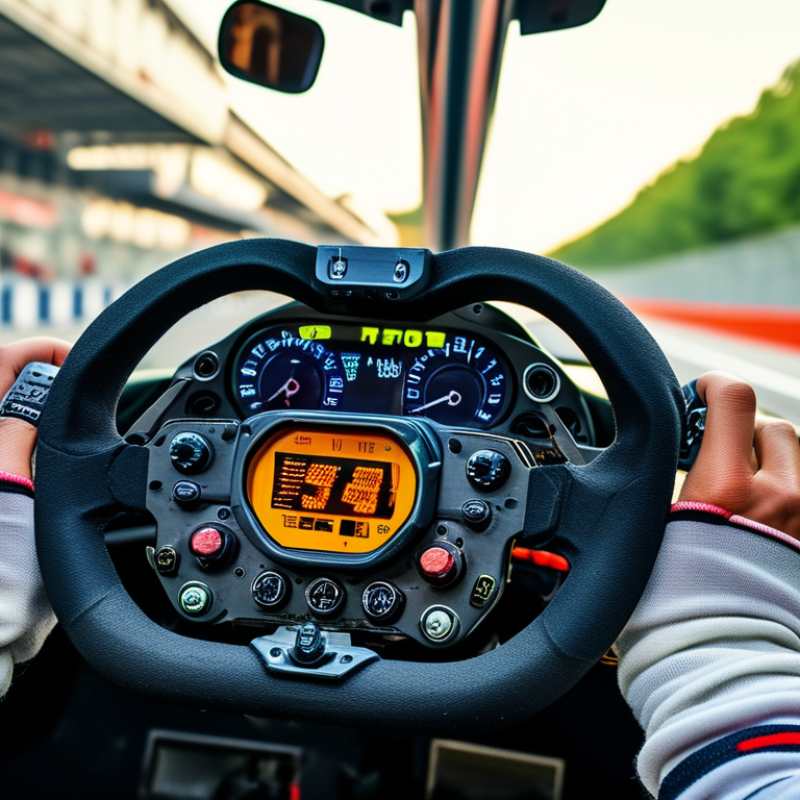
When choosing a race car digital dash, several features stand out. One key element is the clarity of the display. Brightness and contrast are vital, especially in various lighting conditions. A well-designed interface shows critical information at a glance. Digital readouts must be easy to interpret while racing at high speeds.
Another important feature is customization. Drivers should adjust settings to suit their needs. Customizable layouts allow for personal preferences on data presentation. This flexibility can enhance focus during a race. Furthermore, data logging capabilities are essential. Recording performance metrics enables analysis after each event. This information is invaluable for improving driving techniques and vehicle performance.
Sensors and connectivity play a critical role as well. GPS integration offers precise location tracking on the track. Meanwhile, connecting with other race car systems ensures cohesive performance monitoring. However, potential drawbacks exist, such as software glitches. Regular updates and maintenance are crucial to ensure reliability. Balancing feature-rich technology with accessibility is a challenge. Thoughtful evaluation of these aspects can lead to an informed decision.
| Feature | Description | Benefits |
|---|---|---|
| High-Resolution Display | Clear visibility in various lighting conditions. | Improves readability of data at high speeds. |
| Customizable Layout | Ability to arrange gauges and indicators as preferred. | Enhances driver performance with tailored information display. |
| Real-Time Data Monitoring | Displays live telemetry data from the car. | Allows for immediate adjustments and optimizations during a race. |
| Multiple Data Channels | Shows engine metrics, tire pressure, fuel levels, etc. | Provides comprehensive oversight of the vehicle's performance metrics. |
| Durable and Weather-Resistant | Engineered to withstand harsh racing conditions. | Ensures functionality and reliability throughout the race. |
| Integration with Other Systems | Compatible with various car performance tools. | Streamlines data collection and enhances decision-making. |
: Clarity of the display is crucial. It must perform well in various lighting conditions.
Customizable layouts allow drivers to tailor data presentation. This helps enhance focus during races.
Data logging captures performance metrics. Analyzing this data helps improve driving techniques.
Connectivity with other race systems ensures cohesive performance monitoring. It enhances overall efficiency.
Calibration issues can impact accuracy. New interfaces may take time to get used to.
It enables immediate feedback on speed and tire pressure. Quick decisions can improve race outcomes.
Information overload can overwhelm drivers. Too much data may hinder decision-making.
AR can visualize critical data, aiding strategy. However, reliance on it might divert driver attention.
Cybersecurity risks increase as technology advances. Safeguarding data is essential for safety.
Balancing the benefits and potential distractions is vital. Ongoing refinement is necessary for effectiveness.
The article titled "2026 Best Race Car Digital Dash Features and Benefits Explained" provides an in-depth look at the essential features and advantages of digital dashes in racing cars. It highlights the importance of Race Car Digital Dash systems, which enhance visibility and data accuracy for drivers, enabling them to make informed decisions during races. A comparative analysis of popular models showcases the prevailing options in the market, reflecting their unique capabilities and user-friendly designs.
Moreover, the article discusses the top benefits of upgrading to a digital dash system, such as increased customization, real-time data monitoring, and improved performance tracking. It also touches on future trends in race car digital dash technology, emphasizing advancements that promise to further optimize racing experiences. Overall, this compilation underscores how a Race Car Digital Dash can significantly elevate both competitive performance and driving enjoyment.

 Dongou