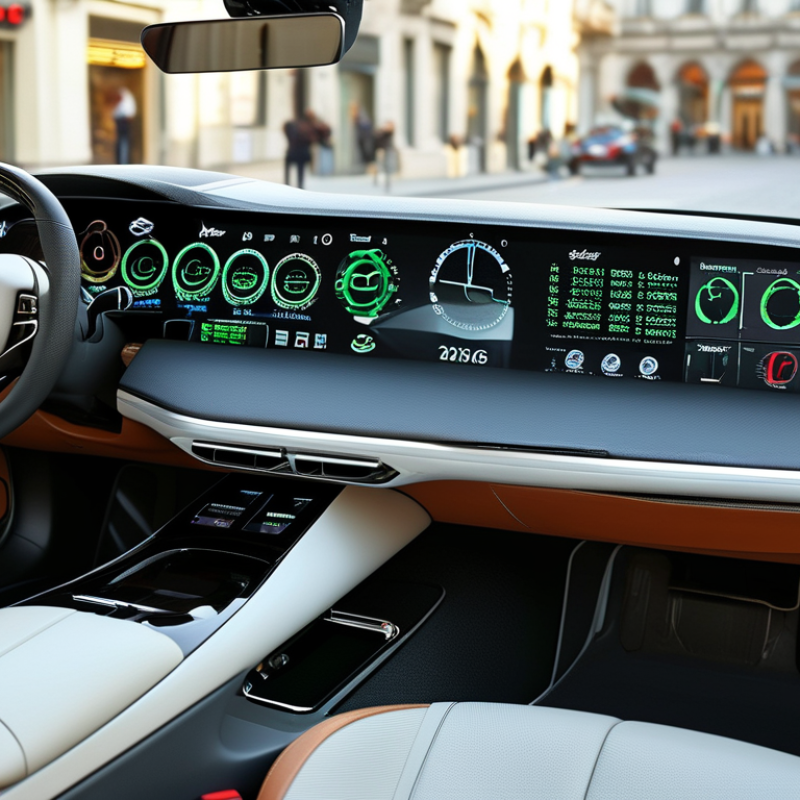
As we look towards 2026, the landscape of electronic dashboards will undergo significant change. These innovations will redefine how buyers interact with technology. Electronic dashboards are becoming essential in modern vehicles, blending aesthetics with functionality.
Consumers now seek personalized experiences. The integration of artificial intelligence into electronic dashboards enhances user interaction. Features like voice recognition and adaptive displays are trending. Buyers want dashboard designs that are not only functional but also intuitive.
However, as technology evolves, some challenges remain. Not all electronic dashboards will suit every user. Buyers must weigh options carefully. Knowing the latest trends will help them make informed decisions. This exploration into the upcoming trends aims to assist buyers in navigating the complex market of electronic dashboards.
Emerging Technologies Shaping Electronic Dashboards in 2026
The electronic dashboard is evolving rapidly, driven by emerging technologies. By 2026, we can expect significant advancements in user experience, interactivity, and data visualization. Artificial intelligence will play a critical role in personalizing the dashboard experience. With AI, dashboards can learn user preferences and offer tailored insights. This personalized touch enhances usability and engagement.
Augmented reality (AR) is another game changer. In vehicles, AR can overlay navigation and vital information directly onto the windshield. This integration provides a seamless experience while driving. However, distractions need careful management. The balance between innovation and driver safety remains a concern.
Tip: Prioritize safety features. As technology advances, look for dashboards that prioritize user safety without compromising functionality.
Voice recognition systems will also become more common. Users will be able to interact with their dashboards hands-free. While this enhances convenience, there's a need for high accuracy. Misunderstandings could lead to dangerous situations.
Tip: Choose dashboards that allow customization. Tailoring settings can improve both safety and usability.
As these technologies develop, constant reflection is essential. Not all innovations will lead to positive outcomes. Engaging with future trends is crucial, but understanding their implications is equally important.
Key User Experience Trends for Electronic Dashboard Design
The evolution of electronic dashboards is closely tied to user experience (UX) trends. As technology advances, drivers demand more intuitive designs. Reports indicate that 78% of consumers prefer personalized interfaces. This pushes designers to focus on customization. Personalization can enhance engagement and satisfaction levels significantly.
Voice recognition is becoming a staple in electronic dashboard design. It not only improves accessibility but also allows for hands-free operation. A recent study highlighted that 63% of users appreciate voice-activated controls. However, the challenge lies in ensuring accuracy with diverse accents and languages. This feature needs to evolve further to meet user expectations.
Visual clarity remains a key focus. Infographics, minimalist designs, and smart graphics can reduce cognitive load. Nearly 70% of users report that overly complex displays lead to frustration. Balancing aesthetics and functionality is crucial. Designs can look sleek yet fail to convey essential information effectively. Continuous user feedback is necessary for improvement.
Integration of AI and Machine Learning in Dashboard Functionality
The integration of AI and machine learning into electronic dashboards is a transformative trend for 2026. This technology enhances user experience by providing personalized insights. Dashboards will analyze user data and feedback, tailoring metrics and functionalities to individual needs. The result? A more intuitive interface that feels like a personal assistant.
Imagine a dashboard that learns from your behavior. Over time, it predicts the information you need most and displays it upfront. This anticipatory design improves decision-making. Yet, there are potential pitfalls. Relying too heavily on AI can lead to data privacy concerns. Users must remain aware of the trade-off between convenience and security.
Complex algorithms might make information less transparent. Some users may find it challenging to trust automated recommendations. It is crucial to maintain a balance between personalization and user control. Businesses should encourage feedback loops, allowing users to refine their dashboards. Engaging users in this way will create a more reliable and insightful experience.
The Impact of Data Visualization Techniques on User Engagement
The rapid evolution of electronic dashboards is reshaping user experiences. Data visualization techniques have a profound effect on user engagement. Research indicates that visual content is processed 60,000 times faster than text. This means users prefer dashboard displays that are visually appealing and easy to interpret.
Effective dashboards utilize various data visualization methods. Bar charts, pie charts, and heat maps provide clarity, allowing users to grasp complex information quickly. A report by the Data Visualization Society reveals that 85% of users feel more engaged with dashboards that prioritize user-friendly visualizations. This engagement can lead to improved decision-making and enhanced productivity.
However, there are challenges in implementing these techniques. Overloading dashboards with data may overwhelm users. Also, a lack of interactivity can render them underutilized. Striking a balance between informative visuals and user simplicity is crucial. As we head towards 2026, understanding user preferences will be key for creating effective electronic dashboards. The focus should be on how to make data accessible, ensuring clarity without sacrificing detail.
2026 Top Electronic Dashboard Trends to Watch for Buyers
This chart illustrates the projected growth of various data visualization techniques impacting user engagement in electronic dashboards by 2026. The data reflects expected increases in user engagement driven by advanced visualization methods.
Sustainability and Eco-Friendly Design in Future Dashboards
The demand for eco-friendly design in electronic dashboards is rising. Consumers prioritize sustainability more than ever before. This trend is reshaping how manufacturers approach dashboard development. Using recycled materials can help reduce waste. Additionally, energy-efficient displays decrease power consumption. These choices create a positive environmental impact.
However, integrating sustainability poses challenges. Not all materials meet durability standards. Some eco-friendly components may increase manufacturing costs. Striking a balance between cost and sustainability remains a concern. There’s also consumer skepticism around truly green products. Transparency in sourcing and production processes will be crucial.
Brands must commit to ethical practices. Using renewable resources is one avenue. Moreover, investing in local production can minimize carbon footprints. Engaging consumers in discussions about sustainability can build trust. This ongoing dialogue is essential for progress. The path to fully sustainable dashboards is complex but crucial. It reflects the broader movement towards an eco-conscious future.
Conclusion
The article "2026 Top Electronic Dashboard Trends to Watch for Buyers" explores the key innovations that will shape electronic dashboards in the coming years. Emerging technologies will play a pivotal role, with user experience trends emphasizing intuitive design and ease of navigation. The integration of artificial intelligence and machine learning will enhance dashboard functionality, enabling personalized data insights and improved decision-making capabilities for users.
Additionally, effective data visualization techniques will be crucial for enhancing user engagement, allowing for clearer interpretations of complex data. Sustainability is also a prominent factor, as future electronic dashboards will increasingly prioritize eco-friendly design practices. These trends collectively highlight the evolution of electronic dashboards, positioning them as vital tools for users seeking efficient and impactful data presentation.

 Dongou