The automotive industry is rapidly evolving, with technology taking center stage. One notable advancement is the Digital Dash Display. These systems revolutionize how drivers interact with their vehicles. They provide real-time information in a user-friendly format. This integration enhances safety and improves the driving experience.
Global buyers seek the best Digital Dash Display options available. With various brands and features, making the right choice can be overwhelming. Buyers need reliable information to navigate these options effectively. They might wonder about the durability and clarity of the displays. A deep understanding of functionality is crucial in this selection process.
The market is rife with possibilities, yet not all solutions meet expectations. Some displays lack responsiveness or have poor visibility under direct sunlight. Engaging with expert reviews can help identify reliable products. Buyers should weigh their preferences carefully. The importance of reliability and user experience cannot be overstated.
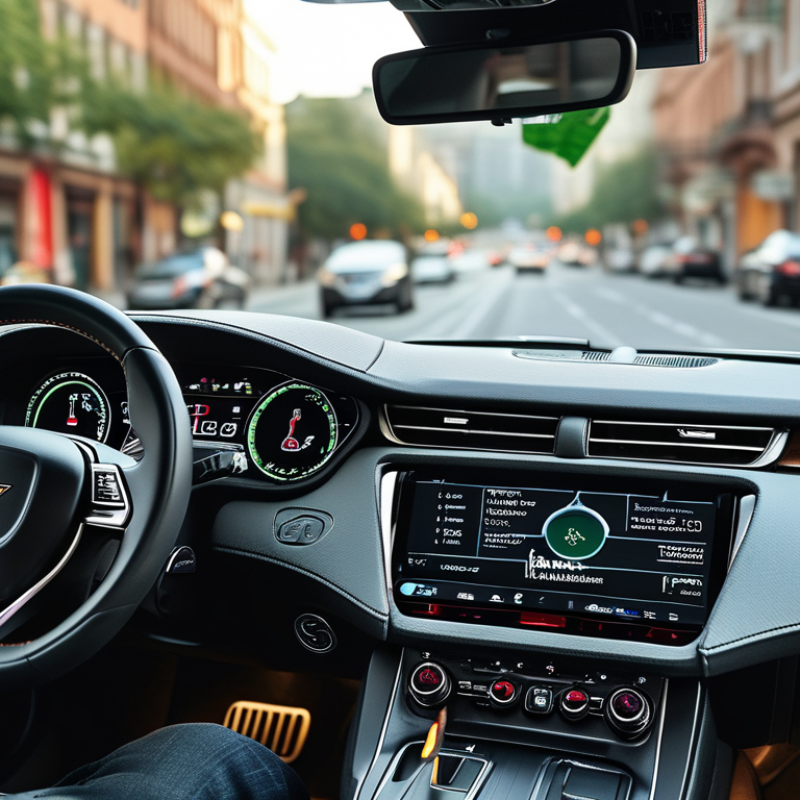
As global buyers seek advanced digital dash display solutions, understanding their features is crucial. Digital dashboards provide data at a glance, enhancing user interaction. Many buyers prioritize customization, as every vehicle and user has unique needs. Features like touch screens or smartphone integration can make a significant difference.
Tips for selecting a digital dash include considering your specific requirements. What data do you need? Some dashboards allow more customization than others. An adaptable interface can lead to improved functionality. Performance also plays a role. Look for displays offering real-time information updates. This feature can enhance the driving experience significantly.
Remember that reliability is key. A display should withstand various weather conditions. Check reviews to gauge user satisfaction and long-term performance. It's important to reflect on your own experiences as well. Did your choice meet your expectations? Evaluating past purchases can guide future decisions. Continuous improvement is vital in this evolving market.
The digital dashboard display market is rapidly evolving. Market research suggests that the global digital dash display market is projected to grow at a CAGR of 10% from 2023 to 2030. This growth is driven by advancements in technology and the rising demand for enhanced user experiences in vehicles. Electric and autonomous vehicles, in particular, are boosting the need for innovative displays.
New technologies are reshaping user interfaces. OLED and LCD panels are becoming popular for their clarity and responsiveness. Reports indicate that approximately 25% of consumers prefer high-resolution displays for better visibility. However, improving display technology can be challenging. Companies must balance cost and quality, which often requires continuous research.
Tips: Consider the target audience when developing designs. User preferences are crucial. Regular feedback can help fine-tune product features. Also, stay updated on technological advancements. This offers a competitive edge. Remember, relying solely on popular trends can lead to missed opportunities. Diversifying product features with innovative solutions ensures relevance in a dynamic market.
Digital dash displays have transformed how drivers interact with their vehicles. These systems provide essential information at a glance. Key features often include customizable layouts, real-time data monitoring, and integrated navigation. Users find value in the ability to tailor screens to their preferences. This personalization enhances driving comfort and safety.
When choosing a digital dash display, consider the resolution. A clear, high-resolution screen improves readability. A bright display also performs better in various lighting conditions. Touchscreen interfaces have become popular, but they can distract. Keep this in mind when evaluating options.
Tips: Test the responsiveness of the display. Gauge how quickly it reacts to inputs. Look for seamless integration with other vehicle functions. Not all systems are user-friendly. It might take time to adapt to new interfaces. Ultimately, the best solution balances functionality with ease of use.
The market of digital dash displays is diverse. Buyers have many options to choose from. Each brand serves different needs. Some focus on high-tech features, while others emphasize simplicity. Market share statistics show varying popularity. Analyzing this data can help buyers make informed decisions.
When considering which display to purchase, think about your requirements. Do you need advanced connectivity or basic readouts? Look closely at customer reviews. Often, buyers highlight both strengths and weaknesses of a product. This feedback can guide your choice. Beware of flashy marketing; it may not reflect true functionality.
Tips: Always compare features side by side before making a decision. Visual clarity and ease of use are crucial. Ensure that the display can be customized to fit your specific needs. Don't hesitate to ask for demonstrations if possible. Remember, a good display should suit your lifestyle and vehicle.
In evaluating digital dash display solutions, user experience stands out as a critical factor. Customer feedback indicates that clarity and responsiveness are at the forefront of desired features. According to a recent industry report, nearly 75% of users prioritize screen readability under various lighting conditions. This statistic underscores the necessity for displays that can perform well in diverse environments.
Performance metrics also play a vital role in shaping user experiences. Many potential buyers express frustration over laggy interfaces or non-intuitive navigation systems. Studies show that 60% of consumers abandon a product after just a few poor interactions. This highlights the need for seamless integration of hardware and software in digital displays.
However, not all user experiences are perfect. Some systems may suffer from calibration issues, leading to inaccurate data presentation. Feedback often mentions delays in real-time updates as a significant concern. The challenge is to balance advanced features with reliability. Continuous improvement and user-centered design are essential for companies striving to enhance satisfaction and performance in this competitive market.
The landscape of digital dash displays is rapidly evolving. Innovations are transforming how drivers interact with their vehicles. Gathering data is becoming more intuitive. Displays are now capable of offering real-time information, which enhances safety and decision-making.
One anticipated trend is the integration of augmented reality (AR). Imagine a digital overlay showing speed and navigation directly in your line of sight. Such features could revolutionize driving experiences. However, there may be challenges in balancing distraction and information delivery. Designers must tread carefully to ensure clarity.
Tips for buyers include evaluating your needs. Understand what data you prioritize in your daily driving. Look for displays that allow customization to cater to personal preferences. Another point is to check compatibility with your vehicle. Not all systems fit every model, so do your research thoroughly. Finally, consider the user interface. It should be user-friendly and not overwhelming. These factors will help make informed decisions in a market filled with options.
: The market is projected to grow at a CAGR of 10% from 2023 to 2030.
Advancements in technology and the need for enhanced user experiences in vehicles drive this demand.
OLED and LCD panels are favored for their clarity and responsiveness in digital dashboards.
About 25% of consumers prefer high-resolution displays for better visibility while driving.
Evaluate resolution, brightness, user interface, and adaptability to personal preferences.
Regular feedback helps fine-tune features and ensures designs meet user needs effectively.
Yes, while popular, touchscreen interfaces can sometimes distract. This should be gauged carefully.
Beware of flashy marketing; always check customer reviews for real functionality insights.
Compare features side by side and ensure customization options align with personal requirements.
Not all systems are user-friendly, and it may take time to adjust to new technologies.
The article "Best Digital Dash Display Solutions for Global Buyers" explores the rapidly evolving market for Digital Dash Displays, highlighting current trends and future growth projections. It provides an overview of the key features and technologies that define contemporary displays, emphasizing functionality and user experience. A comparative analysis reveals the market share statistics of various popular brands, offering insights into consumer preferences and performance metrics.
Furthermore, the piece discusses customer feedback, showcasing how user experiences inform the development of these displays. Looking ahead, the article predicts future innovations in Digital Dash Displays, addressing industry insights that could shape the next generation of automotive technology. This comprehensive examination serves as a valuable resource for global buyers seeking to understand the dynamics and opportunities within the Digital Dash Display market.

Dongou