Selecting the right Cars Instrument Panel supplier in 2026 requires more than comparing catalog prices. Global buyers need dependable engineering, stable production, and clear evidence of quality.
A modern instrument panel may combine a digital display, air vents, warning lights, switches, speakers, and concealed wiring. Its surface must resist heat, vibration, fingerprints, and repeated cleaning. Suppliers should demonstrate material traceability, dimensional inspection, assembly testing, and documented quality systems. Experience with injection molding, soft-touch finishes, lighting uniformity, and vehicle electronics also matters. Small gaps can create noise, glare, or costly production delays.
This guide introduces leading suppliers for international automotive sourcing teams. It considers manufacturing capability, customization support, communication, lead times, and after-sales responsiveness. Factory audits, sample reviews, and pilot orders remain essential. A polished website proves little.
Buyers should examine how suppliers manage engineering changes, tooling ownership, packaging, and replacement parts. They should also confirm relevant safety, environmental, and market-specific requirements with qualified professionals. Supplier rankings can support decisions, but they cannot replace technical due diligence. That is the uncomfortable part.
The strongest partners usually share measurable test data, realistic delivery commitments, and transparent corrective-action records. They explain limitations instead of promising everything. In practice, a reliable supplier is judged during a difficult change request, not a showroom visit. This overview aims to help global buyers compare options carefully, reduce sourcing uncertainty, and build longer-term cooperation across diverse vehicle programs.
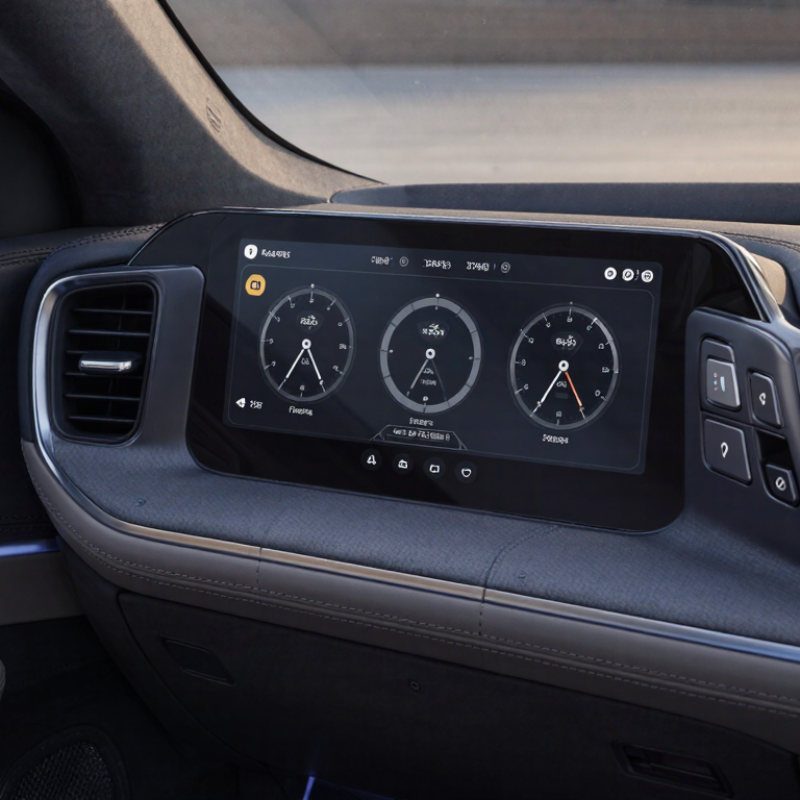
Understanding Car Instrument Panels and Their Core Functions
2026 Best Cars Instrument Panel Suppliers for Global Buyers
Understanding Car Instrument Panels and Their Core Functions
A car instrument panel is the driver’s information and control center. It displays speed, engine status, fuel level, temperature, warnings, and navigation guidance. Modern panels also connect with cameras, sensors, and driver assistance systems. According to the 2024 Automotive User Interface and Experience Study by S&P Global Mobility, drivers increasingly expect clear digital displays and fewer distracting interactions. This changes supplier evaluation. A bright screen alone is not enough. Information must appear at the right moment, in the right place.
The panel also supports safety through warning symbols, audible alerts, and rapid status changes. ISO 26262 remains a key reference for functional safety in electronic vehicle systems. The United Nations Economic Commission for Europe has also emphasized human-machine interface requirements for driver assistance functions. Buyers should examine display readability, response time, heat resistance, wiring quality, and software update control. In real inspection work, small issues matter. A loose connector can create an intermittent warning. A poorly placed icon can confuse a tired driver.
Tips: Request test records for vibration, humidity, temperature cycling, and electromagnetic compatibility. Ask suppliers to explain their calibration process. Compare the panel under direct sunlight, not only in a showroom. Check whether warning messages remain understandable after software changes. Do not rely on attractive prototypes. Production consistency is harder.
Key Criteria for Evaluating Global Instrument Panel Suppliers
2026 Best Cars Instrument Panel Suppliers for Global Buyers
Selecting an instrument panel supplier requires more than comparing unit prices. Review material consistency, dimensional accuracy, surface finish, and long-term production capacity. A reliable supplier should provide documented quality systems, process control records, and traceability for every major component. Certifications such as IATF 16949 can support confidence, but they should not replace factory audits. Ask to inspect molding areas, assembly lines, inspection stations, and finished-goods storage.
Test panels under realistic conditions. Check heat aging, vibration, humidity, glare, noise, and repeated switch operation. Confirm compatibility with the vehicle’s electrical architecture, including CAN or LIN communication where required. Request PPAP records, measurement reports, control plans, and corrective-action evidence. Global buyers should also examine packaging strength, export experience, engineering response time, and spare-part support. A polished sample may still hide unstable production. That risk deserves attention.
Tips:
Use a weighted scorecard before requesting quotations. Give quality and validation more weight than price. Compare samples from different production batches. Ask technical questions in writing. Visit the facility when possible. Do not rely on presentation slides alone. No scorecard is perfect. Recheck weak areas after pilot production. Clear drawings, shared test limits, and defined approval gates reduce costly misunderstandings across borders.
Leading Supplier Categories and Regional Manufacturing Strengths
2026 Best Cars Instrument Panel Suppliers for Global Buyers
Leading Supplier Categories and Regional Manufacturing Strengths
Global buyers should evaluate instrument-panel suppliers by capability, not catalogue size. OICA reported more than 92 million motor vehicles produced worldwide in 2024. That volume favors suppliers with stable tooling, regional plants, and validated quality systems. The main categories include complete cockpit-module integrators, molded plastic specialists, surface-finishing suppliers, electronic display manufacturers, and component assemblers.
Regional strengths are becoming clearer. East Asian factories often provide dense electronics integration, efficient tooling, and high-volume production. Central European suppliers are strong in tactile surfaces, acoustic design, and strict process documentation. North American plants offer proximity to major assembly operations and flexible program management. India and Southeast Asia continue expanding cost-competitive molding and wiring capacity. The International Energy Agency reported that global electric-car sales exceeded 17 million in 2024. This shift increases demand for lighter panels, compact displays, recyclable materials, and redesigned storage areas.
A practical audit should examine dimensional repeatability, scratch resistance, heat aging, airbag-seam performance, and software traceability. Request plant-level evidence. Not only certificates. Sample approval records, layered process audits, and warranty-return data reveal more. Some suppliers still present impressive prototypes but weak series-production controls. That is a risk. Buyers should also compare local service response, tooling ownership, resin traceability, and capacity during peak demand. Forecasts can be wrong. Dual sourcing remains sensible, especially for displays, surface films, and molded substrates.
Quality, Compliance, Customization, and Technology Comparisons
Global buyers assessing cars instrument panel suppliers in 2026 should examine quality beyond surface appearance.
Inspectors should review dimensional records, material traceability, and end-of-line testing. A clean panel must also resist heat, vibration, glare, and repeated button use. Ask suppliers for documented quality systems, corrective-action reports, and sample inspection data. Factory experience matters, but recent evidence matters more.
Compliance should cover electrical safety, electromagnetic compatibility, chemical restrictions, recycling expectations, and regional vehicle requirements.
Requirements differ between markets, so one certificate rarely proves complete readiness. Customization is equally important. Suppliers should support left- and right-hand drive layouts, screen sizes, connector locations, textures, lighting colors, and software interfaces. Yet customization can increase tooling costs and validation time. That trade-off is easy to underestimate. Technology comparisons should include display readability, processing stability, touch response, diagnostics, cybersecurity controls, and update management. Fancy features are not always durable features.
Tips:
Request production samples, not only presentation models.
Test panels under heat cycles and vibration. Compare failure rates, lead times, tooling ownership, and warranty response. Ask who approves design changes. Keep written records of every technical assumption. A supplier may pass an initial audit and still struggle during volume production. Independent testing is useful, although it can add cost and slow purchasing decisions. That inconvenience may prevent larger problems later.
How Global Buyers Can Select and Manage the Right Supplier
2026 Best Cars Instrument Panel Suppliers for Global Buyers
How Global Buyers Can Select and Manage the Right Supplier
Choosing an instrument panel supplier requires more than comparing unit prices. Review tooling ownership, production capacity, material traceability, and engineering response times. Ask for samples from a current production line, not only polished prototypes. Inspect surface grain, color consistency, connector fit, warning-light visibility, and resistance to heat. A reliable supplier should provide test records, control plans, inspection standards, and clear change-notification procedures.
Tips: Build a weighted supplier scorecard. Include quality, cost, delivery, communication, tooling, and risk. Visit the facility when possible. Observe line discipline, calibration labels, storage conditions, and operator training. Request a small pilot order before approving larger volumes. Confirm packaging with real transport trials, especially for long-distance shipments. Keep written meeting records and assign owners for every corrective action.
Supplier management continues after production approval. Track defect rates, delivery accuracy, response time, and field feedback each month. Use video inspections and shared dashboards when travel is difficult. However, digital reports can hide practical problems. A clean spreadsheet does not prove stable assembly. I have seen early assumptions fail when humidity, vibration, or rushed packaging changed the results. Recheck critical parts after design revisions and seasonal production changes. Maintain a backup plan for tooling, materials, and qualified capacity. No scorecard is perfect, and supplier performance can change quickly.
2026 Best Cars Instrument Panel Suppliers for Global Buyers
How Global Buyers Can Select and Manage the Right Supplier
This illustrative supplier scorecard uses a 100-point evaluation model commonly applied in automotive sourcing. Buyers should verify quality-system certification, APQP and PPAP capability, traceability, production capacity, delivery performance, total cost, and change-management controls before final selection.
FAQS
Consider cockpit-module integrators, molded plastic specialists, surface-finish suppliers, display makers, and component assemblers. Each category offers different capabilities.
East Asia often provides efficient tooling and dense electronic integration. Central Europe is known for tactile surfaces and detailed process records. North America offers nearby assembly support. India and Southeast Asia provide growing molding and wiring capacity.
Check dimensional repeatability, scratch resistance, heat aging, and airbag-seam performance. Review software traceability for electronic components. Ask for production samples, approval records, process audits, and warranty-return data. Certificates alone are not enough.
Use a weighted scorecard covering quality, cost, delivery, communication, tooling, and operational risk. Include engineering response time. A low price may hide unstable production. That matters.
Observe calibration labels, operator training, material storage, line discipline, and actual production samples. Inspect connectors, surface grain, and warning-light visibility. A polished prototype proves little.
A pilot order can reveal packaging damage, assembly variation, and transport problems before large-volume approval. Test real shipments over long distances. Small batches expose weaknesses.
Track defect rates, delivery accuracy, response times, and field feedback every month. Use shared dashboards or video inspections when travel is difficult. Spreadsheets can mislead. Recheck important parts after design or seasonal changes.
Dual sourcing can reduce disruption risks for displays, surface films, molded substrates, and other critical parts. Confirm backup tooling, materials, and qualified capacity. Forecasts fail sometimes.
Conclusion
This guide provides a practical overview of the Cars Instrument Panel industry for global buyers in 2026. It explains how instrument panels combine displays, controls, warning indicators, connectivity, and safety-related functions to improve driving awareness and vehicle usability. It also outlines the main criteria for evaluating suppliers, including manufacturing capacity, engineering expertise, product reliability, testing systems, delivery performance, cost control, and after-sales support.
The article compares supplier categories and regional manufacturing strengths while highlighting differences in quality management, regulatory compliance, customization capabilities, materials, software integration, and intelligent cockpit technologies. It concludes with a structured approach to supplier selection and management, covering requirement definition, sample evaluation, factory audits, communication procedures, quality monitoring, production coordination, and risk assessment. By applying these principles, buyers can identify dependable partners, reduce supply-chain uncertainty, and develop instrument panel solutions that meet vehicle-specific, market-specific, and long-term business requirements.

 Dongou