Choosing the right Car Instrument supplier affects safety, dashboard clarity, production stability, and long-term customer trust. A reliable supplier should provide more than attractive prices. Their products must match your vehicle platform, electrical architecture, installation space, and operating environment.
Look closely at technical evidence. Ask for sample gauges, wiring diagrams, CAN bus compatibility details, calibration records, and environmental test results. Check whether the supplier controls quality throughout production, rather than relying only on final inspection. Clear traceability matters when a display becomes dim, a warning light fails, or readings appear inconsistent after months of use.
Experience also deserves careful attention. A supplier serving commercial vehicles may not understand the vibration demands of motorcycles or specialty machinery. Request relevant project examples, realistic lead times, warranty terms, and responsive engineering support. Visit the factory when possible. Observe component storage, testing equipment, and how rejected units are handled.
Do not choose from a catalog alone. A polished website proves little. Independent references and repeat customer feedback offer stronger evidence. Even detailed evaluations can miss hidden risks, such as firmware limitations or delayed replacement parts. Recheck your assumptions after prototype testing. The cheapest option may become expensive through rework, returns, and production delays. A thoughtful supplier selection process connects technical competence with honest communication, documented quality, and dependable service. That balance helps your Car Instrument perform clearly and consistently in real-world conditions.
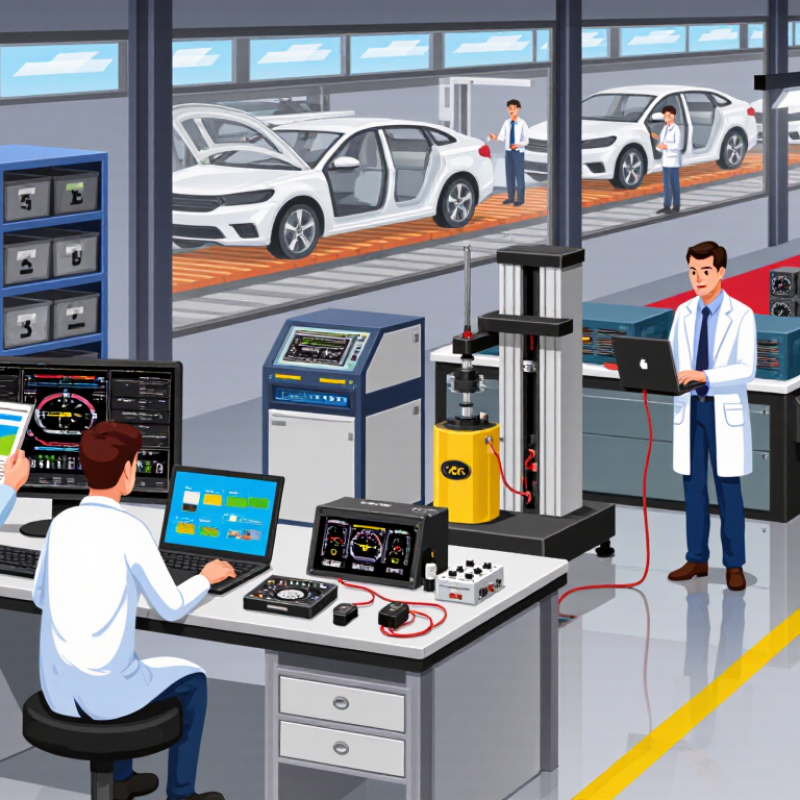
Before choosing a car instrument supplier, define how the instrument will be used. A dashboard display for a delivery van has different demands from one used in an off-road vehicle. Record the vehicle type, operating temperature, supply voltage, communication protocol, and available mounting space. Include details such as night visibility, vibration exposure, water resistance, and expected service life. Small details matter.
A practical requirement sheet should describe the information drivers need at a glance. This may include speed, engine temperature, fuel level, warning signals, or battery status. Check whether the instrument must connect with existing sensors or a vehicle control network. Ask for interface drawings, accuracy data, testing records, and calibration procedures. Reliable suppliers should explain tolerances clearly, not hide them behind impressive phrases. Request sample units and test them during cold starts, bright sunlight, rough roads, and repeated power cycles. Field testing often reveals loose connectors or unreadable icons. That happened in one early evaluation. The original display looked suitable, but its viewing angle was poor at noon. The specification was revised.
Use cases should also guide quantity, customization, and after-sales support. A small fleet may need flexible configuration, while mass production requires stable output and traceable quality control. Confirm inspection standards, repair processes, replacement timing, and technical communication. A supplier’s response to an unexpected fault can be more valuable than a polished product presentation. Reliability is proven over time.
Use this requirements matrix to compare potential suppliers against the vehicle application, operating environment, integration needs, validation scope, and expected production volume.
| Vehicle Use Case | Typical Vehicle Class | Primary Instrument Function | Recommended Display and Readability | Key Inputs and Signals | Communication Requirements | Environmental Requirements | Validation Priority | Supplier Evaluation Focus |
|---|---|---|---|---|---|---|---|---|
| Daily passenger transport | Passenger cars and compact multi-purpose vehicles | Vehicle speed, engine speed, fuel or battery status, warning indicators, trip information | Combination of analog-style gauges and a central information display; high contrast; readable in direct sunlight and at night | Wheel-speed data, engine or motor speed, fuel level or state of charge, coolant temperature, door and seat-belt status | Vehicle network communication with diagnostic support; common automotive serial communication protocols may be required | Typical automotive temperature range; resistance to vibration, dust, humidity, and voltage fluctuations | High | Stable display quality, low noise, consistent illumination, and proven production quality controls |
| Battery-electric passenger vehicle | Battery-electric cars, crossovers, and light utility vehicles | Vehicle speed, state of charge, driving range, power availability, regenerative braking status, charging information | Digital display with configurable information hierarchy; strong contrast; clear energy-flow and charging graphics | Battery state of charge, battery temperature, motor speed, inverter status, charging status, high-voltage system warnings | High-speed vehicle network communication, diagnostic data handling, and secure software update support where applicable | Thermal cycling, electromagnetic compatibility, vibration, humidity, and protection against transient electrical events | High | Software capability, cybersecurity processes, data integrity, thermal design, and high-voltage system knowledge |
| Commercial delivery vehicle | Light commercial vans and urban delivery vehicles | Speed, engine or motor status, fuel or battery status, warning messages, maintenance information, driver alerts | Large numerals, simple symbols, wide viewing angle, and clear alerts suitable for frequent short-distance driving | Wheel speed, powertrain status, fuel or battery level, brake status, service data, cargo or door status | Vehicle network integration with fleet telematics or service-tool connectivity when required | Frequent start-stop operation, vibration from road conditions, dust, humidity, and extended daily operating hours | High | Long-term availability, serviceability, field replacement process, and resistance to intensive operating cycles |
| Heavy-duty truck | Trucks, tractor units, and long-haul vehicles | Vehicle speed, engine speed, air pressure, oil pressure, coolant temperature, fuel level, warnings, and trip data | Large instrument cluster with multiple gauges or a high-resolution display; readable from a fixed driving position over long shifts | Engine control data, transmission data, brake pressure, air-system pressure, axle speed, fluid levels, and warning switches | Multiple vehicle networks may be needed for powertrain, body, trailer, and diagnostic systems | High vibration endurance, broad operating temperature, moisture resistance, electrical transients, and long service life | High | Heavy-duty qualification evidence, component durability, repair support, and continuous supply capability |
| Construction equipment | Excavators, loaders, graders, and compact construction machines | Engine or motor data, hydraulic pressure, coolant temperature, operating hours, fuel level, attachment status, and fault codes | Rugged display with large icons, glove-friendly controls, adjustable brightness, and excellent visibility in outdoor conditions | Engine controller data, hydraulic pressure sensors, fluid-level sensors, position sensors, work-mode switches, and service inputs | Vehicle network communication plus discrete inputs and analog sensor interfaces for auxiliary systems | Severe vibration, shock, dust, mud, water spray, wide temperature variation, and prolonged outdoor exposure | High | Ingress protection, mechanical robustness, connector sealing, sunlight resistance, and field-service design |
| Agricultural machinery | Tractors, harvesters, sprayers, and agricultural utility vehicles | Vehicle speed, engine speed, fuel level, implement status, hydraulic data, operating hours, and warning information | Color display with configurable layouts; clear icons; visibility in strong sunlight and low-light working conditions | Engine and transmission data, implement sensors, hydraulic pressure, wheel speed, GPS-related data, and auxiliary inputs | Vehicle network integration, serial interfaces, and optional connectivity with machine-control or precision-agriculture systems | Dust, mud, rain, vibration, shock, ultraviolet exposure, condensation, and seasonal temperature changes | High | Outdoor durability, sealed housing, software configurability, display readability, and seasonal supply planning |
| Public transport vehicle | City buses, coaches, and shuttle vehicles | Speed, engine or motor status, door status, brake warnings, passenger-system alerts, route-related information, and diagnostics | High-contrast display with redundant critical warnings; viewing angle should support different driver seating positions | Vehicle speed, brake system data, door signals, powertrain information, lighting status, and body-control data | Vehicle network communication, diagnostic access, and integration with body-control or passenger-information systems | Long operating hours, frequent door cycles, vibration, humidity, temperature variation, and electrical load changes | High | Functional safety process, warning prioritization, durability testing, maintenance support, and fleet-scale production |
| Low-speed utility vehicle | Golf carts, campus vehicles, warehouse transporters, and neighborhood utility vehicles | Speed, battery level, charging state, direction, motor status, and basic fault indications | Compact digital display with large symbols and simple status information; low power consumption is important | Motor speed, battery voltage, battery state of charge, charger status, direction switch, and brake input | Basic serial communication or discrete and analog inputs; advanced vehicle networking may be optional | Moderate vibration, outdoor moisture, dust, temperature variation, and frequent charging cycles | Standard | Cost efficiency, simple integration, low standby power, installation flexibility, and replacement availability |
| Performance-oriented vehicle | High-performance passenger cars and specialty road vehicles | High-resolution speed and engine or motor data, selectable driving modes, shift information, temperatures, pressures, and lap or trip data | Fast-refresh digital display with configurable themes, clear redline or limit indications, and minimal response delay | High-frequency powertrain data, transmission status, oil and coolant temperature, pressure data, and drive-mode signals | High-speed vehicle network communication, rapid data refresh, diagnostic access, and software configuration capability | High vibration during acceleration, rapid temperature changes, electromagnetic compatibility, and reliable operation at high data rates | High | Display response time, software flexibility, data accuracy, thermal performance, and low-volume customization capability |
| Fleet and rental vehicle | Passenger cars, vans, and mixed-use fleet vehicles | Core driving information, warnings, maintenance reminders, mileage, fuel or battery data, and operator feedback | Standardized display layout with clear symbols, strong backlighting, and low training requirements for different drivers | Speed, mileage, fuel or battery level, warning switches, service data, and powertrain information | Vehicle network and diagnostic communication; optional connection to fleet-management systems | Frequent driver changes, high annual mileage, repeated start cycles, vibration, and varied climate conditions | Medium | Unit cost, delivery consistency, interchangeability, service support, warranty handling, and lifecycle availability |
| Special-purpose or emergency vehicle | Rescue vehicles, service vehicles, and specialized response vehicles | Core vehicle status, auxiliary equipment status, warning indicators, power management, and operational diagnostics | High-priority warning presentation, readable under stress, and capable of supporting auxiliary status information | Powertrain data, auxiliary battery status, equipment switches, lighting systems, pressure sensors, and body-control signals | Vehicle network communication plus configurable digital, analog, and discrete inputs for auxiliary equipment | High vibration, extended idling, electrical load changes, outdoor exposure, humidity, and demanding duty cycles | High | Configuration control, rapid technical support, warning reliability, input flexibility, and documentation quality |
| Prototype and low-volume vehicle | Development vehicles, concept vehicles, specialty platforms, and pilot fleets | Flexible measurement, rapid software or layout changes, system debugging, and temporary production-intent display functions | Configurable digital display with programmable pages and support for changing signal definitions | Mixed analog, digital, pulse, serial, and vehicle-network signals; temporary sensors may be added during development | Flexible communication interfaces, logging capability, diagnostic access, and software configuration tools | Application-dependent; laboratory, proving-ground, and road testing may require different mechanical and environmental protection levels | Medium | Engineering responsiveness, customization speed, prototype support, documentation, and transition path to production |
Ask for vibration, temperature, moisture, and electrical-noise testing evidence. Request sample reports and technical drawings. Vague answers deserve caution.
Review instrument clusters, speedometers, tachometers, warning displays, sensors, and supporting components. Products should suit different vehicle architectures and operating environments. Range matters.
Ask about calibration, traceability, inspection records, and failure analysis. Consistent readings and documented checks indicate stronger production discipline. Small details matter.
Consider customization for dial layouts, screen sizes, warning icons, communication protocols, housings, or connector positions. Discuss software settings and future maintenance before approval. Write down every assumption.
Check voltage range, connector layout, communication protocols, mounting space, and software requirements. Use test samples and wiring details. Test it physically.
Inspect brightness in direct sunlight and at night. Check warning response, sensor accuracy, and housing durability during workshop trials. Specifications are not enough.
Include tooling, testing, certification support, shipping, spare units, and future updates. Request written payment and warranty terms. Low price can mislead.
Confirm production capacity, inspection procedures, packaging protection, and realistic lead times. Ask for progress updates before shipment. Fast promises may hide weak planning.
Evaluate engineering communication, revision control, calibration support, replacement guidance, and after-sales response. I once ignored a connector difference and caused an avoidable redesign. That mistake changed my process.
Choosing the right Car Instrument supplier begins with clearly defining your vehicle’s requirements, operating conditions, display functions, communication interfaces, and intended use. A suitable supplier should demonstrate relevant industry expertise, offer a practical product range, and provide customization options that fit your vehicle platform. It is also important to review quality management standards, testing procedures, environmental durability, and regulatory compliance to ensure dependable performance and safe integration.
When comparing suppliers, consider technology compatibility, system connectivity, pricing transparency, production capacity, and delivery reliability rather than focusing only on the initial cost. Strong technical support, clear warranty terms, replacement policies, and responsive communication can significantly reduce long-term risks. A supplier with consistent quality control, stable manufacturing capabilities, and a commitment to ongoing product improvement is more likely to provide reliable instruments throughout the vehicle’s service life.

 Dongou