Why Are Car Dashboard Instruments Important?

Time:2026-09-11 Author:Charlotte
0%

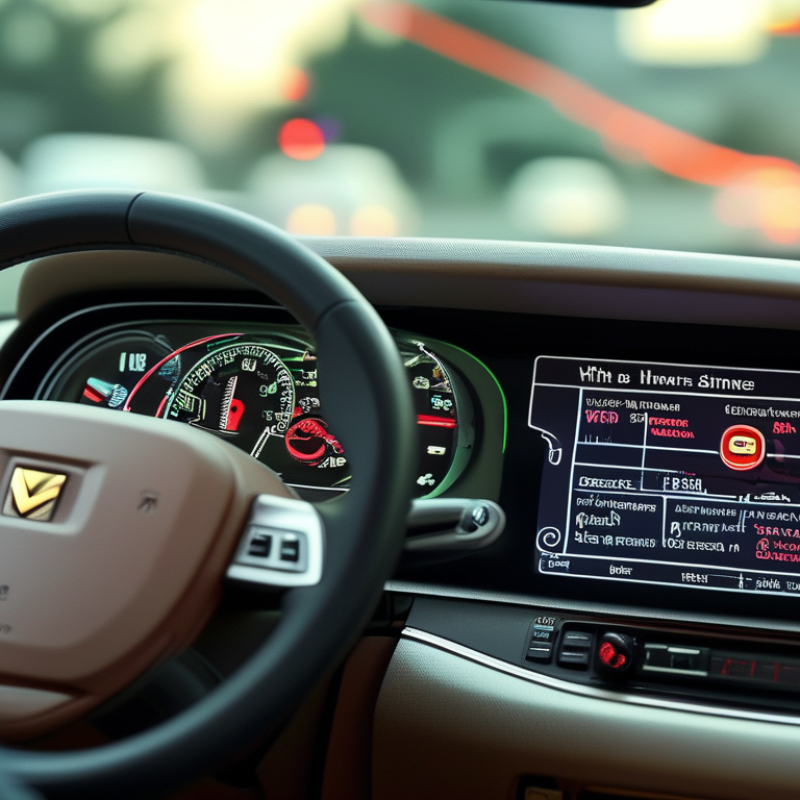
Car Dashboard Instruments are more than decorative panels behind the steering wheel. They form the driver’s immediate information system. Speed, engine temperature, fuel level, and warning signals appear within seconds. A clear display can prevent hesitation when traffic changes suddenly.

Human-centered design authority Don Norman offers a useful principle: “Good design is actually a lot harder to notice than poor design.” This idea fits modern dashboards closely. When instruments work well, drivers read them almost automatically. A red temperature warning should stand apart from a routine fuel reminder. A speedometer should remain visible through sunlight, reflections, and nighttime glare. Small details matter.

My experience with vehicle interfaces also shows an uncomfortable truth. More information does not always create better awareness. A crowded screen can compete with the road ahead. Touch controls may look modern, yet they can demand extra attention while driving. Physical buttons often provide helpful tactile feedback. Still, no instrument layout is perfect.

Reliable Car Dashboard Instruments should support quick decisions without encouraging distraction. Their accuracy depends on sensors, calibration, software, and careful testing. Manufacturers also need to consider older drivers, color-vision differences, and unfamiliar symbols. A dashboard may pass technical checks yet confuse real users. That gap deserves honest review.

This article examines why Car Dashboard Instruments remain essential, how each gauge supports safer driving, and where current designs still need improvement. The goal is practical understanding, not blind praise.
Why Are Car Dashboard Instruments Important?

What Dashboard Instruments Measure: Speed, RPM, Fuel, Temperature, and Warnings

Why Are Car Dashboard Instruments Important?

Dashboard instruments turn hidden vehicle conditions into readable information. The speedometer shows road speed, helping drivers stay within posted limits and maintain safe spacing. NHTSA’s Traffic Safety Facts 2022: Speeding recorded 12,330 speeding-related traffic deaths in the United States. That figure makes a small speedometer needle more significant than it appears.

The tachometer displays engine revolutions per minute, or RPM. A rising needle can signal hard acceleration or an approaching shift point. An unusually high reading may indicate mechanical stress, while a low, uneven reading can suggest an engine problem.

The fuel gauge estimates remaining fuel, but steep roads and sharp turns can make its reading fluctuate. It is not perfectly precise. The temperature gauge shows coolant heat, and a warning light may appear before serious overheating develops. Stop safely when the temperature rises abnormally.

Warning symbols communicate urgency through color and shape. Red usually demands immediate attention; amber often indicates a developing issue. NHTSA’s Traffic Safety Facts 2022: Distracted Driving reported 3,047 deaths in distraction-affected crashes. A dashboard should therefore be read briefly, not studied while moving. A practical admission: many drivers notice warning lights too late. Familiarity helps, but it can also create overconfidence. Checking the owner’s manual and responding to unfamiliar symbols remains a safer habit.

Speedometers and Road Safety: Speeding Caused 12,330 U.S. Deaths in 2022 (NHTSA)

Why Are Car Dashboard Instruments Important?

A car dashboard is a compact safety system, not merely a collection of displays. The speedometer gives drivers a continuous reference for controlling momentum. That number matters because speed increases stopping distance and crash severity.

According to NHTSA’s Traffic Safety Facts: 2022, speeding-related crashes killed 12,330 people in the United States. Speeding contributed to 29% of all traffic fatalities recorded that year.

The Insurance Institute for Highway Safety reports a similar pattern across recent decades. Speed remains a persistent factor in fatal collisions.

The danger can appear quietly. A driver may accelerate while descending a hill or entering a wide highway. A quick glance at the speedometer can expose that change before a curve, crossing, or work zone arrives.

Clear markings and steady illumination also help drivers compare speed with road conditions. Yet a readable instrument cannot guarantee a safe decision. Drivers still glance too late, misjudge traffic, or trust memory instead of the display.

That uncomfortable weakness deserves attention. Dashboard instruments support judgment; they do not replace it.

NHTSA’s data shows why this simple measurement deserves serious respect every time a vehicle moves.

Warning Lights and Fault Detection: Applying ISO 2575 Vehicle Symbols

Why Are Car Dashboard Instruments Important?

Dashboard instruments translate hidden vehicle conditions into visible, standardized warnings. ISO 2575 defines symbols for brakes, oil pressure, battery charging, airbags, and other functions. Their familiar shapes reduce confusion when drivers cross languages or markets. The WHO Global Status Report on Road Safety 2023 reports about 1.19 million road deaths annually. Clear warnings cannot prevent every crash, but they can shorten reaction time.

A red symbol usually demands immediate attention. An amber symbol often indicates a developing fault or required inspection. This color logic supports quick decisions during rain, darkness, or heavy traffic. Modern fault detection also compares sensor readings with expected values. A flashing engine symbol, for example, may signal severe misfire risks. The driver should reduce speed and seek a safe stopping place. Do not ignore it.

However, warning systems are not perfect. Sensors can age, wiring can corrode, and software can misread temporary conditions. A 2022 NHTSA Traffic Safety Facts report recorded 42,514 U.S. roadway deaths, showing why small delays matter. Yet a dashboard symbol cannot replace inspection or driver judgment. I have seen drivers treat unfamiliar warnings as decoration. That assumption is dangerous. Service records, diagnostic codes, and the vehicle handbook provide stronger evidence than a single illuminated icon. Manufacturers and repair professionals should also explain failure limits clearly, because trust decreases when warnings appear without useful detail.

Tire-Pressure Monitoring: TPMS Has Been Required in U.S. Cars Since 2007

Car dashboard instruments turn hidden mechanical conditions into readable warnings. Tire-pressure monitoring is one of the clearest examples. Under the TREAD Act, TPMS has been required in new U.S. passenger vehicles since September 2007. The National Highway Traffic Safety Administration reports that correct tire pressure improves handling, braking, and tire durability. It also identifies tire-related problems as a significant road-safety concern.

The warning light matters.

A glowing TPMS symbol usually means one or more tires are substantially underinflated. It does not show the exact pressure, and it may not identify the damaged tire. The AAA Foundation for Traffic Safety has reported that many vehicles on American roads have tires below the recommended pressure, sometimes by 25% or more. That gap can increase heat buildup and reduce steering control, especially during highway travel. NHTSA guidance recommends checking pressure with a reliable gauge when tires are cold and following the pressure listed on the door-jamb label, not the number molded into the tire.

Drivers often delay inspection because the car still feels normal. That is the weak point. A dashboard warning is not a diagnosis, but ignoring it is worse. Temperature changes can also trigger the light, while a slow puncture may remain unnoticed for days. Check all four tires, the spare when applicable, and the valve areas. Professional technicians can verify sensor operation and inspect tread, sidewalls, and inflation accuracy. The dashboard begins the conversation; careful measurement keeps it honest.

Digital Displays and Driver Decisions: Advancing Automotive Human-Machine Interfaces

Why Are Car Dashboard Instruments Important?

Digital displays and driver decisions are reshaping automotive human-machine interfaces. A dashboard is no longer only a collection of gauges. It is a decision-making surface.

A clear speed readout helps drivers adjust smoothly before entering a busy intersection. A well-placed warning can direct attention to tire pressure, temperature, or reduced visibility. In usability testing, drivers usually respond faster when information has strong contrast and familiar symbols. They also make fewer mistakes when alerts appear in predictable locations. The best interfaces support attention without demanding it. Less is safer.

Modern displays can combine navigation, vehicle status, and safety information on one screen. That convenience creates a weakness, too. Too many animations may compete with a pedestrian crossing the road. A small icon can be technically accurate but practically confusing. Designers must study hand movement, glance duration, lighting changes, and stress responses. These details connect engineering decisions with real driving behavior.

Reliability matters beyond appearance. Critical information should remain readable during glare, darkness, rain, and sudden electrical limitations. Drivers need consistent feedback, not decorative motion. I have seen interfaces that looked impressive during demonstrations but felt slow during ordinary use. That gap deserves more attention. A good dashboard should explain the vehicle quietly, even when the driver is tired, rushed, or unfamiliar with its controls. Feedback from everyday drivers should keep challenging design assumptions.

FAQS

: Why is the speedometer important for road safety?

: It shows the vehicle’s current speed while driving. Speed affects stopping distance and crash severity. A quick glance can reveal speeding before a curve or crossing. Do not trust memory alone.

How serious is speeding in traffic deaths?

Speeding contributed to 12,330 United States deaths in 2022. It represented about 29% of recorded traffic fatalities that year. The danger may begin during a downhill stretch or wide highway entrance. Small speed changes matter.

Can dashboard instruments prevent every crash?

No. Dashboard instruments support decisions, but they cannot replace attention. Drivers may glance too late or misunderstand changing traffic. A readable display is helpful, not magical. Judgment still matters.

What do warning-light colors usually mean?

Red warnings often require immediate attention. Amber warnings commonly indicate a developing fault or needed inspection. These colors help during darkness, rain, or heavy traffic. Color alone is not enough.

What should a driver do when a serious warning appears?

Reduce speed and find a safe stopping place. Check the vehicle handbook for the symbol’s meaning. Arrange professional inspection when necessary. Do not ignore it.

Are dashboard warning systems always accurate?

No. Sensors can age, wiring can corrode, and software can misread temporary conditions. A warning may be incomplete or unclear. Diagnostic information and service records provide stronger evidence. The system can be wrong.

What does a tire-pressure warning indicate?

It usually means one or more tires are substantially underinflated. The light may not identify the affected tire or show its exact pressure. Check all four tires with a reliable gauge when they are cold. Check the spare, too.

Where should drivers find the correct tire pressure?

Use the pressure listed on the vehicle’s door-jamb label. Do not rely on the number molded into the tire. Underinflation can increase heat buildup and reduce steering control. The car may still feel normal.

Can temperature changes trigger a tire-pressure warning?

Yes. Temperature changes can alter tire pressure and activate the warning. A slow puncture may also remain unnoticed for several days. Inspect tread, sidewalls, valves, and inflation levels. A warning deserves attention.

Conclusion

Car Dashboard Instruments are essential tools that help drivers understand a vehicle’s condition and make safer decisions. They provide immediate information about speed, engine RPM, fuel level, coolant temperature, and possible mechanical problems. The speedometer is especially important because maintaining an appropriate speed supports road safety; speeding contributed to 12,330 deaths in the United States in 2022, according to the NHTSA. By monitoring these readings, drivers can respond more carefully to changing road and traffic conditions.

Warning lights and standardized symbols, guided by ISO 2575, help identify faults or maintenance needs before they become more serious. Tire-pressure monitoring systems, required in U.S. cars since 2007, alert drivers when tire pressure is too low, improving handling and reducing safety risks. Modern digital displays also combine vehicle data into clearer, more accessible interfaces, helping drivers interpret information quickly without unnecessary distraction. Together, these instruments connect vehicle systems with driver decisions and support safer, more informed journeys.

Charlotte

Charlotte

Charlotte is a seasoned marketing professional with a deep understanding of the company's portfolio and a passion for elevating its presence in the market. With a keen eye for detail and a commitment to excellence, she ensures that our professional blog is regularly updated with insightful articles......