 Dongou
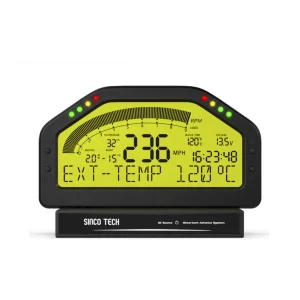
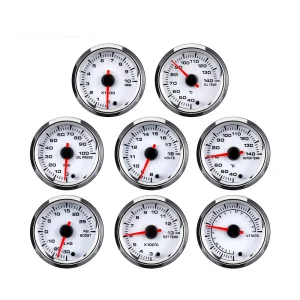
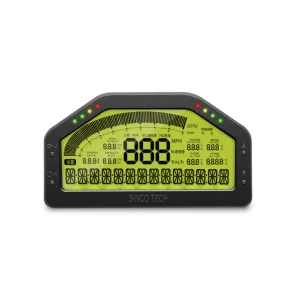
The Evolution of OBD2 Telemetry & B2B Industrial Demand
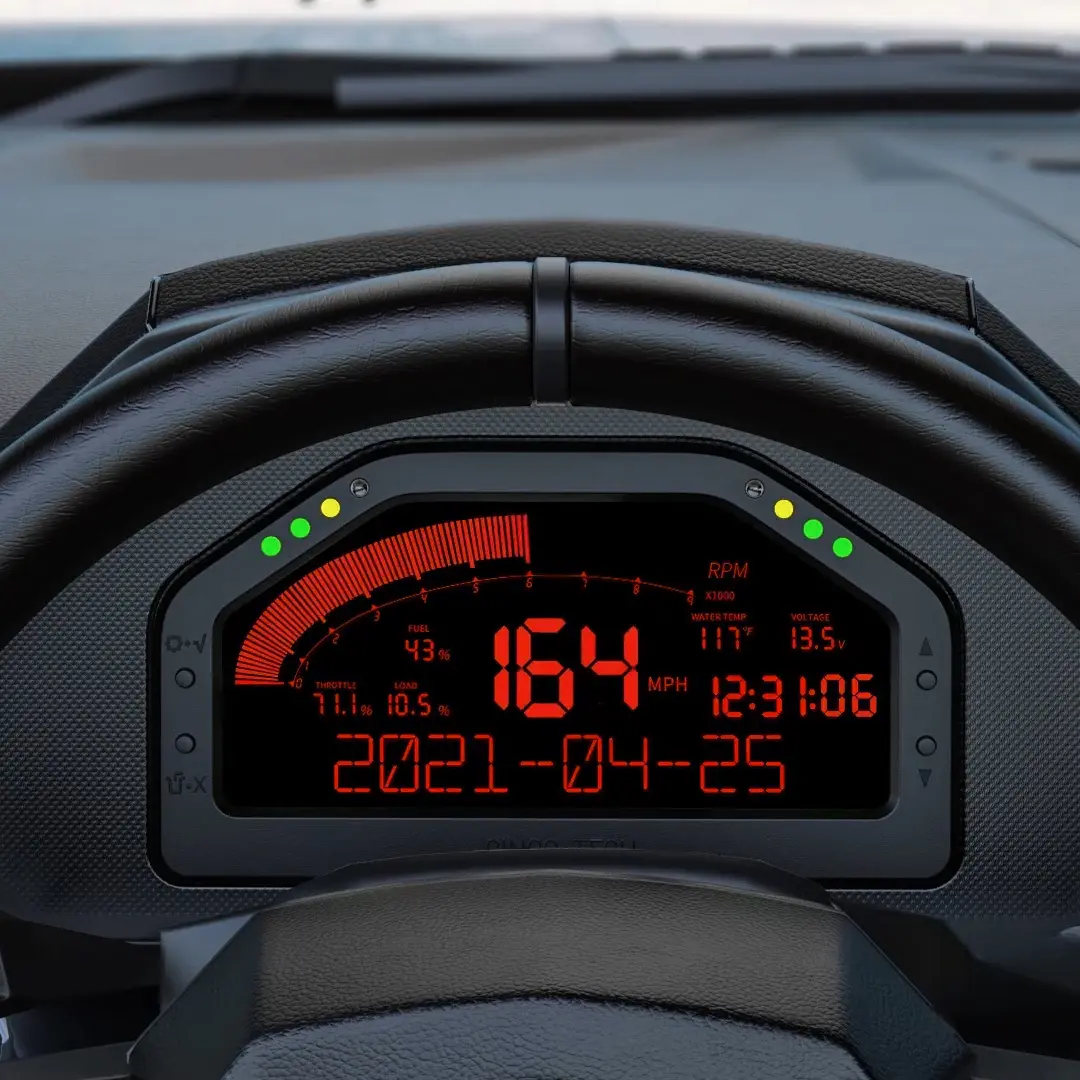
In the modern automotive ecosystems, onboard diagnostics have evolved far beyond basic malfunction indicator lights (MIL). Today, global fleet operators, commercial vehicle modifiers, and performance tuning teams demand real-time access to high-fidelity engine telemetry. Under the ISO 15765-4 (CAN bus) protocol standards, OBD2 devices serve as the centralized communications bridge, polling the engine control unit (ECU) for vital parameter identifiers (PIDs).
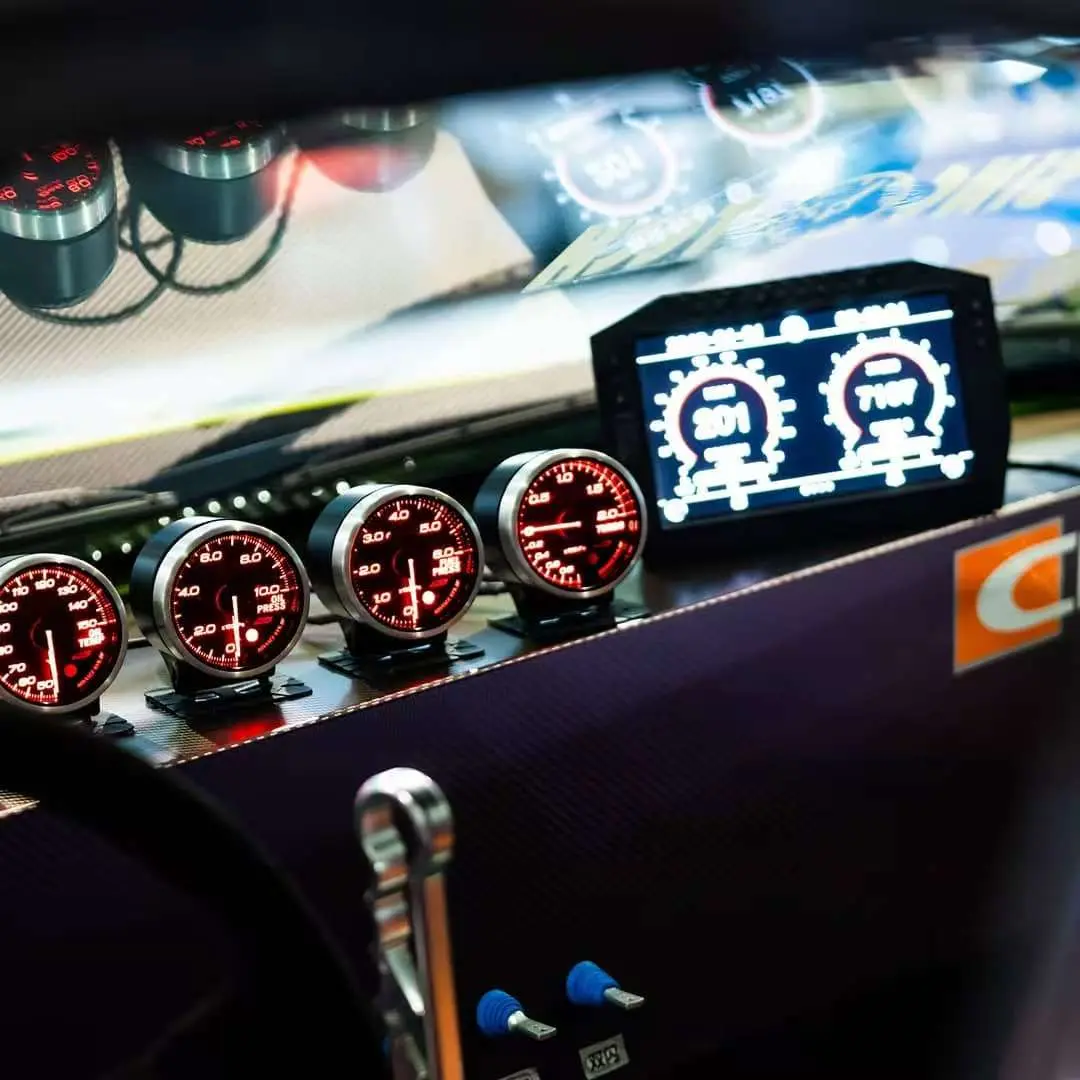
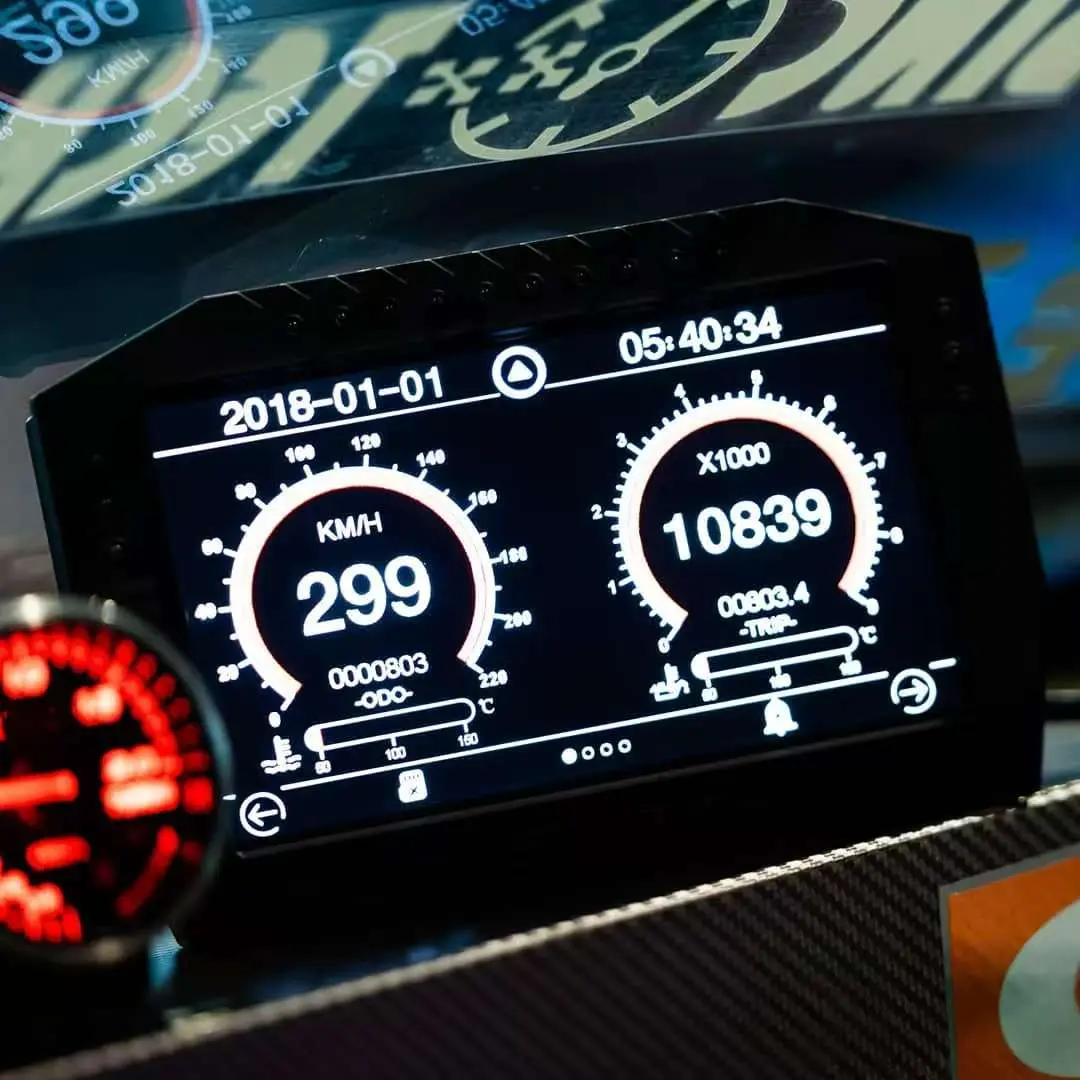
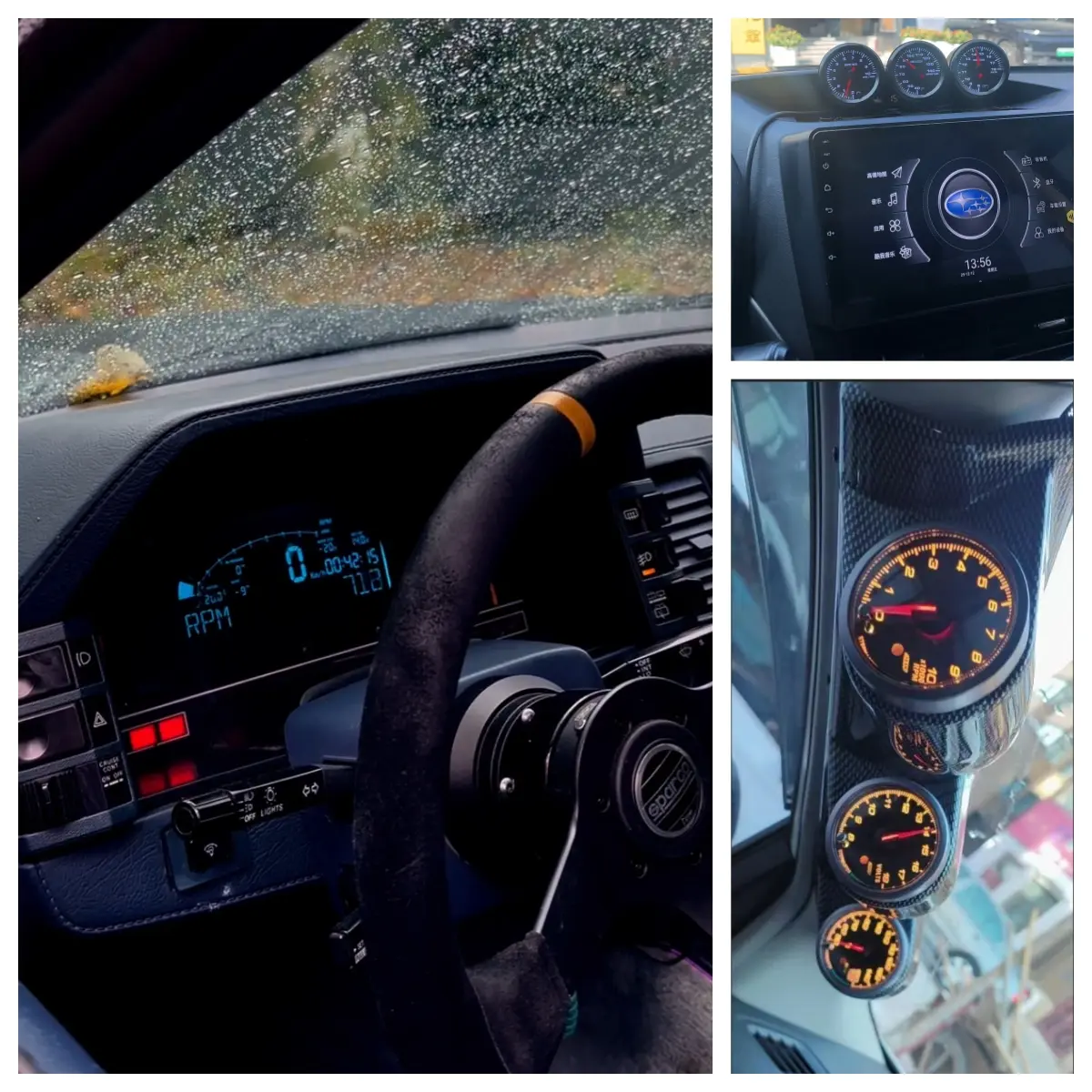
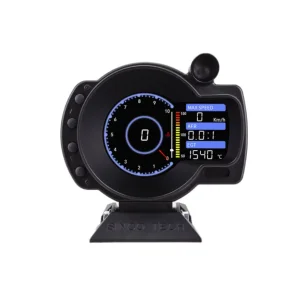
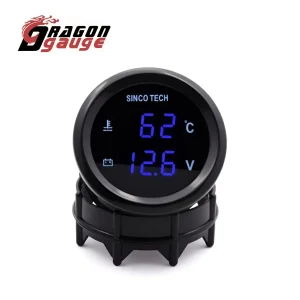
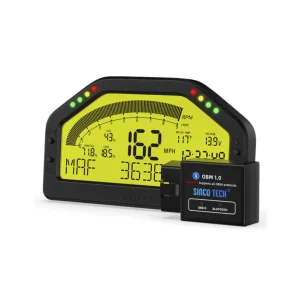
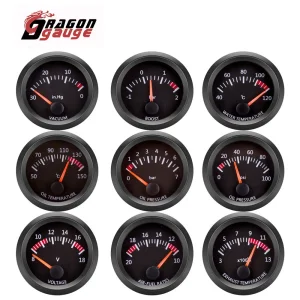
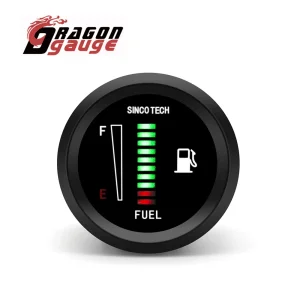
The global demand for customized OBD2 meters is skyrocketing, driven by two key trends: the rise of specialized logistics fleet monitoring and the highly precise requirements of high-end motorsport telemetry. Commercial entities require rugged, reliable hardware that can endure high thermal stress, provide multi-mode sensor readings, and interface seamlessly via low-latency Bluetooth 5.0 BLE or physical CAN connections. Custom meters must translate raw hex data into clear visual formats instantly, preventing vehicle downtime and ensuring operational safety.