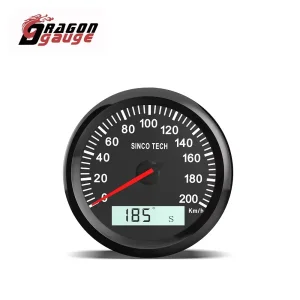
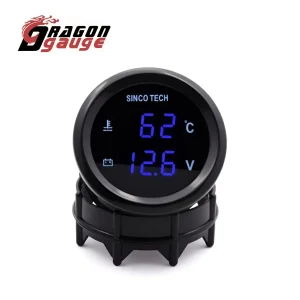
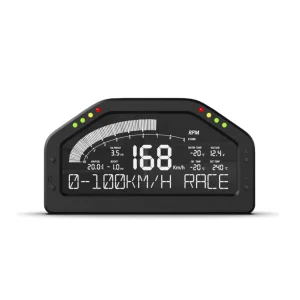
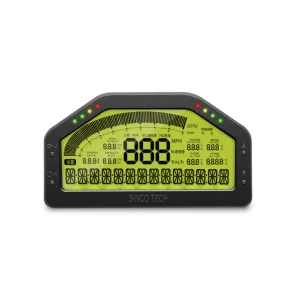
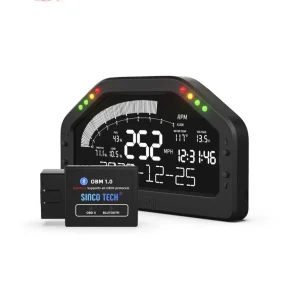
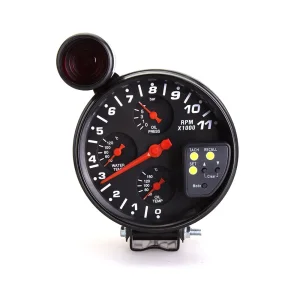
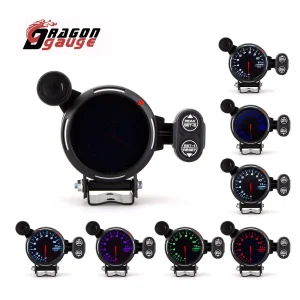
Established in 1986, Ruian DongOu Automobile Meter Factory has positioned itself at the vanguard of research, development, and manufacturing of automotive instrumentation systems. Throughout decades of specialized expertise, we have constructed a highly stable, integrated manufacturing capability. Our production site translates sophisticated mechanical blueprints into high-end automotive metrics, creating a global reputation for telemetry reliability.
As a premier custom car speedometer gauge manufacturer, we manage two globally recognized brands that target distinct market segments:
We offer comprehensive casing formats spanning standardized sizing profiles: 52mm (2 inches), 60mm (2.36 inches), and 85mm (3.75 inches). These standard chassis profiles facilitate direct drop-in integration for global aftermarket setups, classic vehicle modifications, and high-performance racing dash swaps.
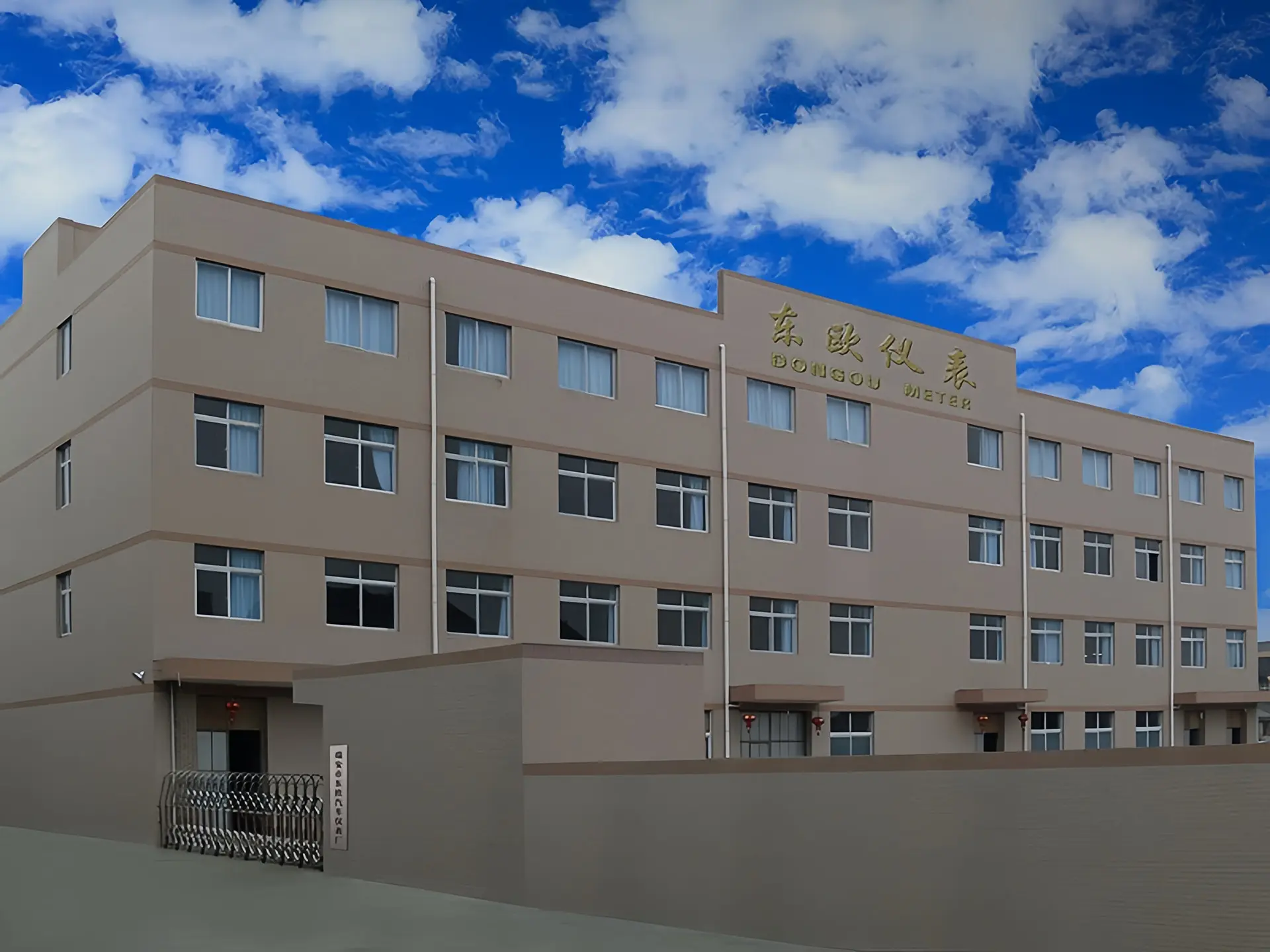
Modern instrument panels are transforming from pure mechanical readouts to high-density smart diagnostic centers. B2B automotive procurement requirements emphasize low-latency interfaces, multi-signal capability, and robust environmental resilience.
Standard transmission-driven speedometers suffer from inaccuracies caused by varying tire pressure, gear wear, or custom axle ratios. Our 85mm GPS speedometer designs bypass transmission inputs entirely, utilizing high-refresh-rate GPS receiver antennas. This calculates real-time 3D vector velocity, displaying accurate speed regardless of mechanical modification.
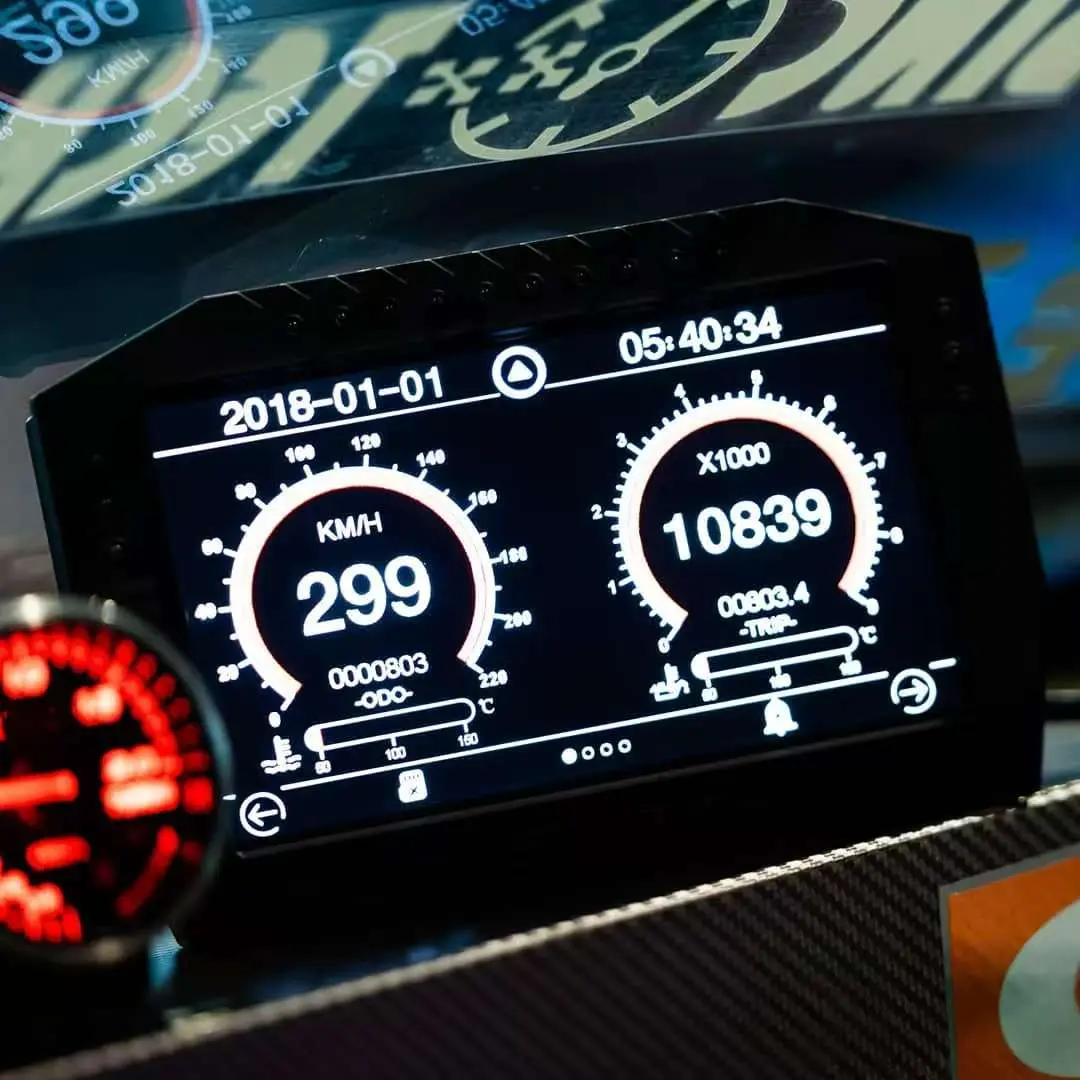
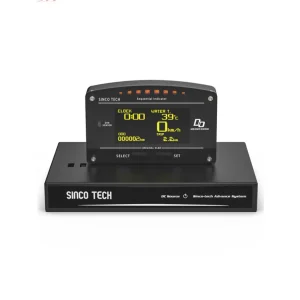
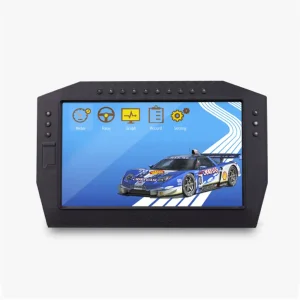
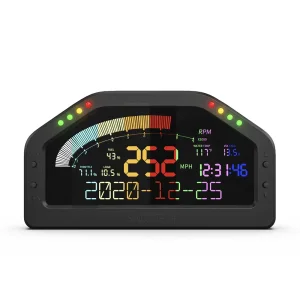
Smart vehicles demand multiplexed signal integration. Products like the SincoTech DO921 utilize high-speed OBDII decoders and Bluetooth telemetry to stream engine diagnostics, RPM, exhaust temperature, and manifold pressures. This reduces dashboard wiring clutter and eliminates redundant engine bay sensors.
To combat intense sunlight during racing maneuvers, display units incorporate high-contrast OLED screens and multi-color LED backlighting. Driver preferences demand switchable 7-color illumination matrix layouts to synchronize instrumentation readouts with cabin accent themes.
Our instrumentation systems are designed to bridge the gap between aesthetic tuning and track-level performance validation. No matter what custom layout or engine configuration is chosen, our products consolidate crucial metrics into high-speed digital arrays.
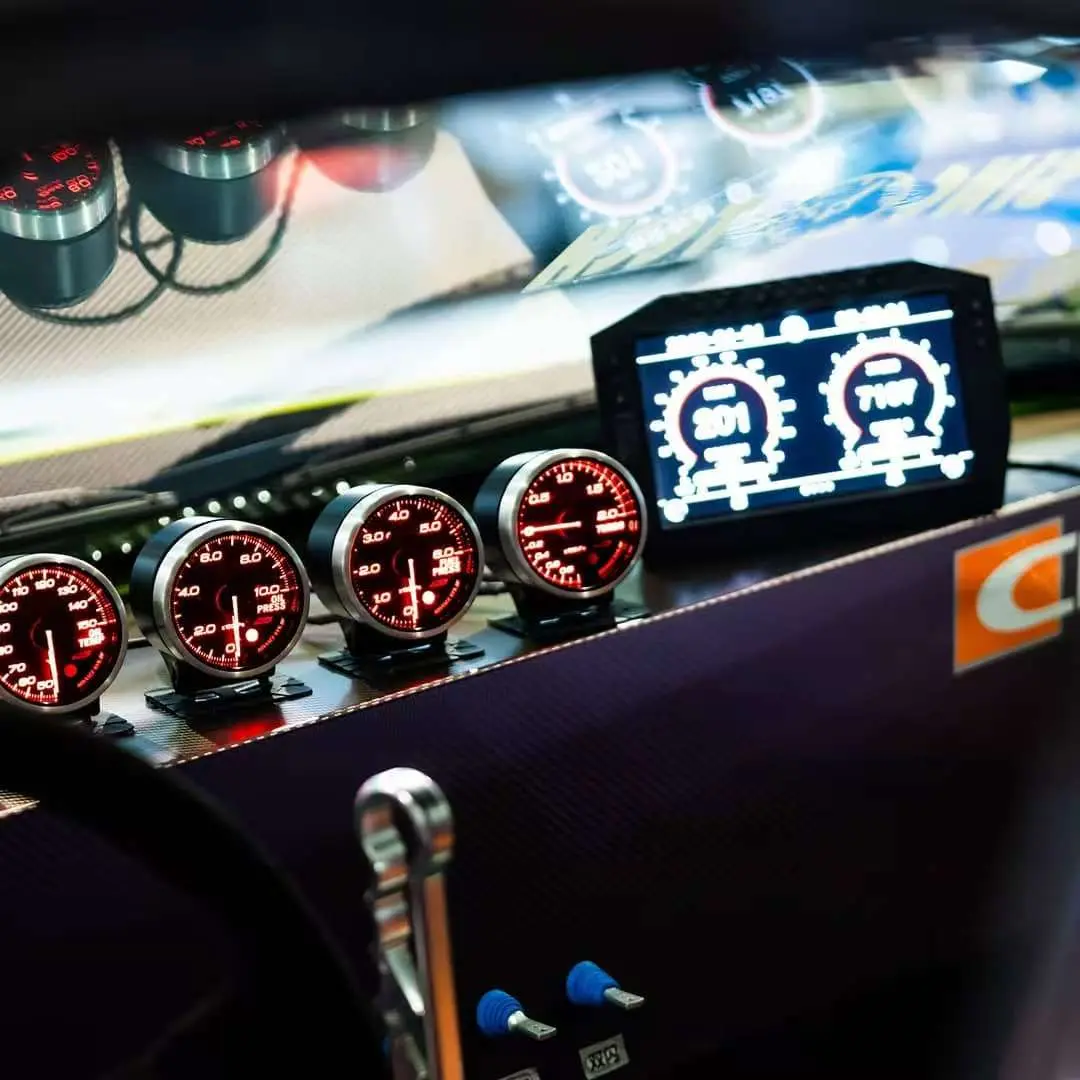
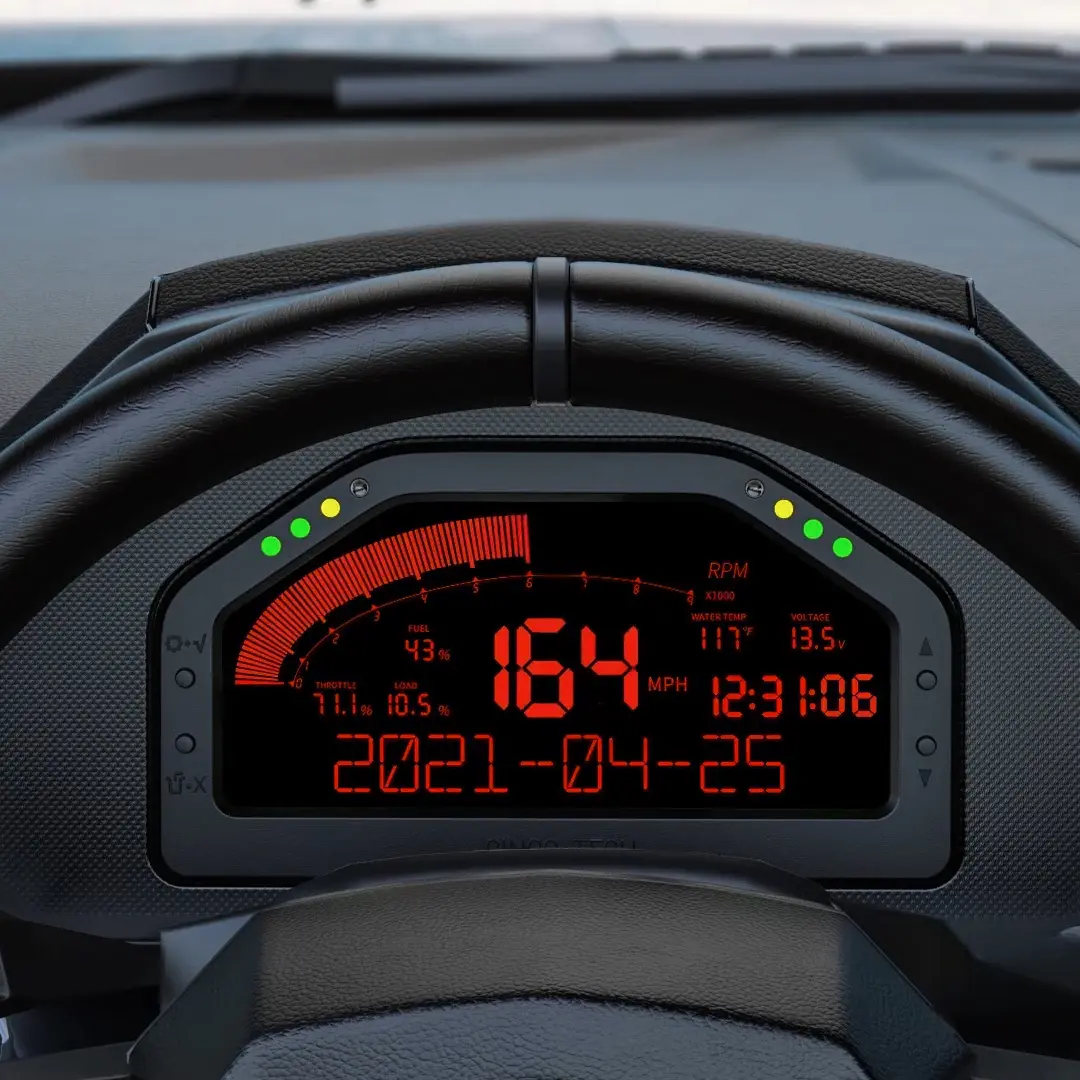
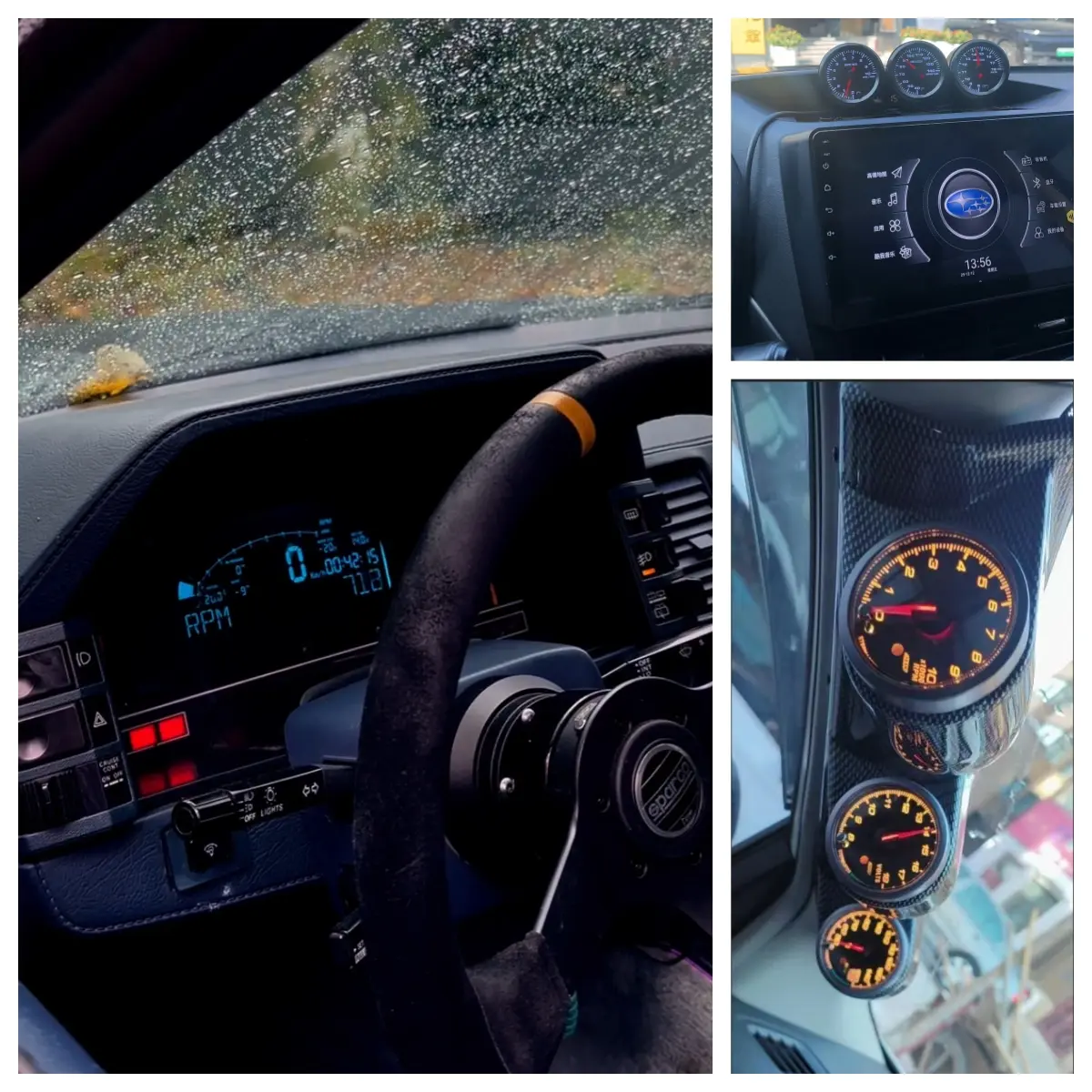
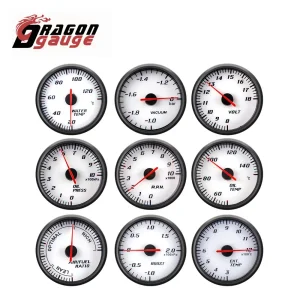
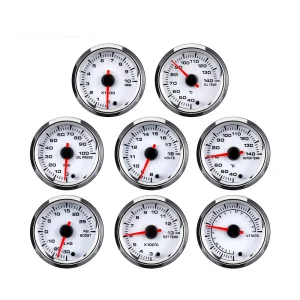
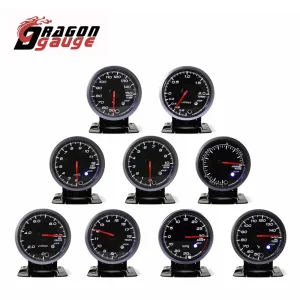
Figure 1: Custom combinations, multi-parameter arrays, and versatile gauge placement scenarios.
As autonomous computing and automotive electrification continue to expand, instruments require higher data bandwidth. Ruian DongOu's future research focuses on three major technical milestones:
Distributors and OEM purchasers require reliable supply chains, consistent quality, and flexible customization support. At Ruian DongOu Automobile Meter Factory, we address these operational needs through a structured manufacturing system:
We support custom artwork designs, scale printing configurations, warning thresholds, and custom brand logos. This allows aftermarket resellers to align their dashboard components with distinct local brand aesthetics.
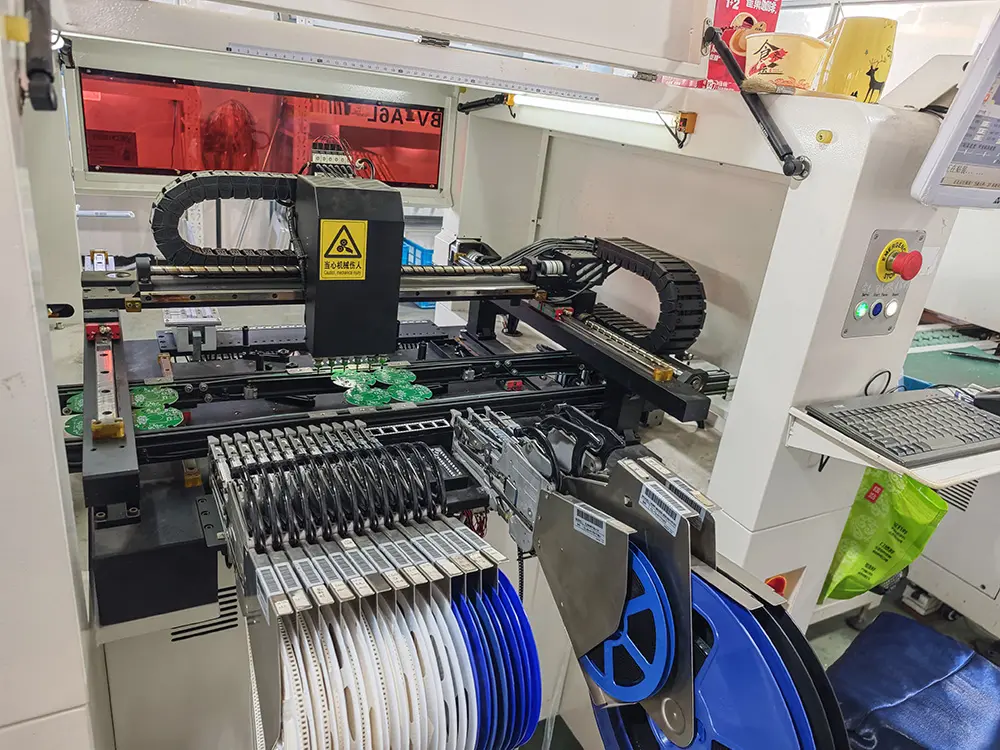
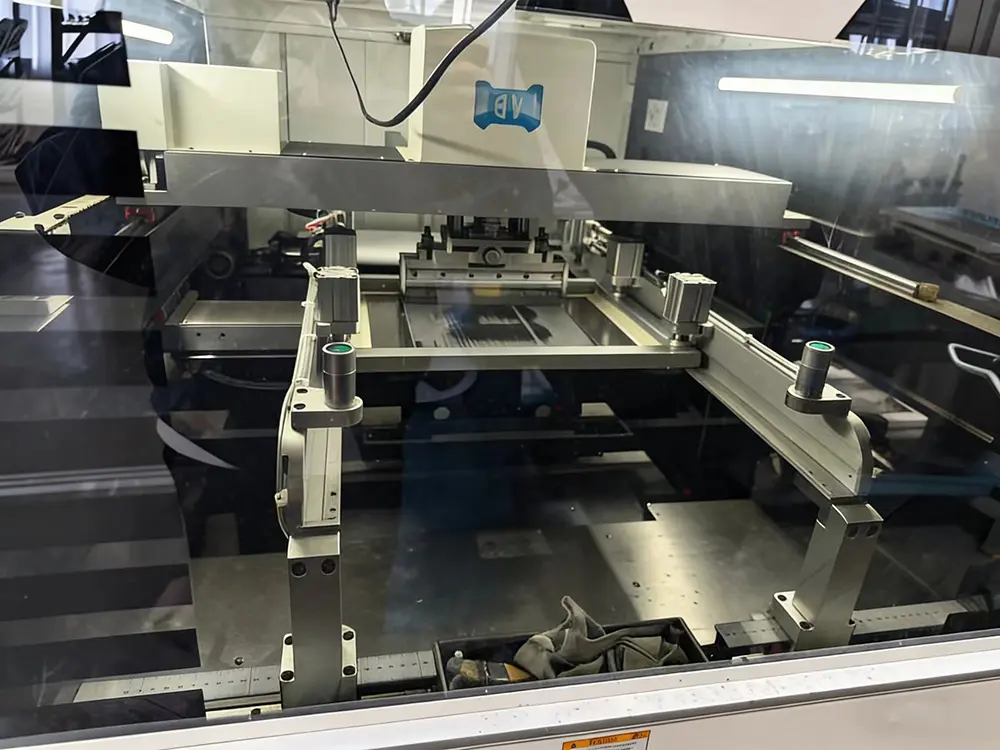
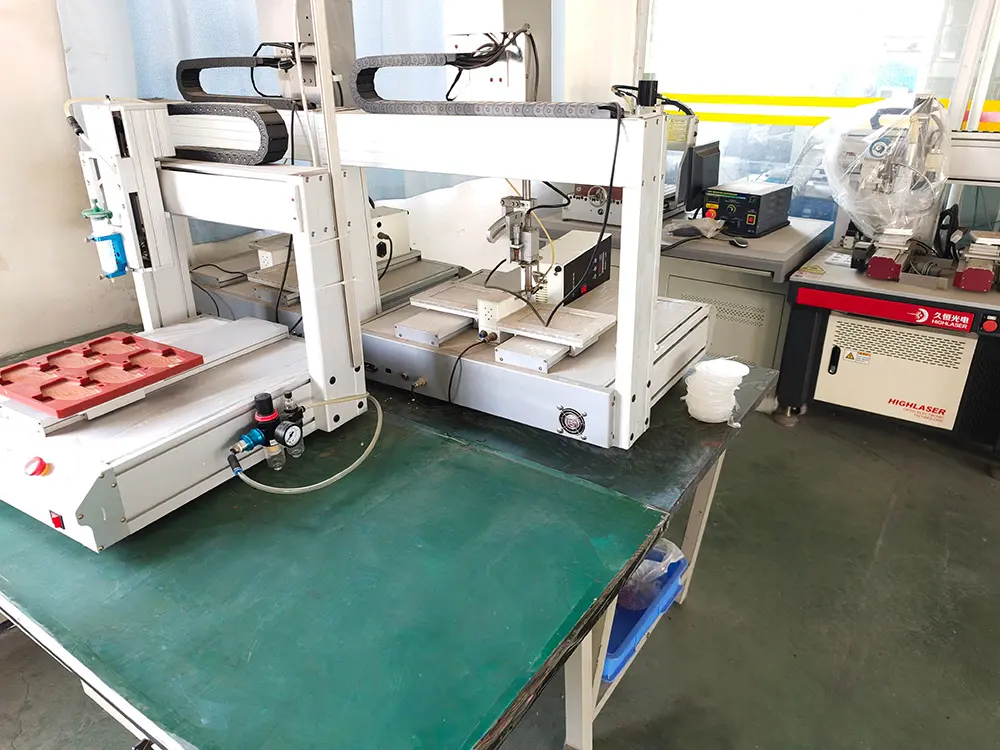
Our facilities utilize precision component mount systems and automated testing rigs. Stepper motors are calibrated to sub-degree angular tolerances, preventing indicator lag or erratic pointer movement.
Every production batch undergoes strict environmental stress profiling. This includes thermal cycling chambers (-40°C to +85°C), relative humidity endurance tests, and vibration simulation rigs to ensure long-term durability.
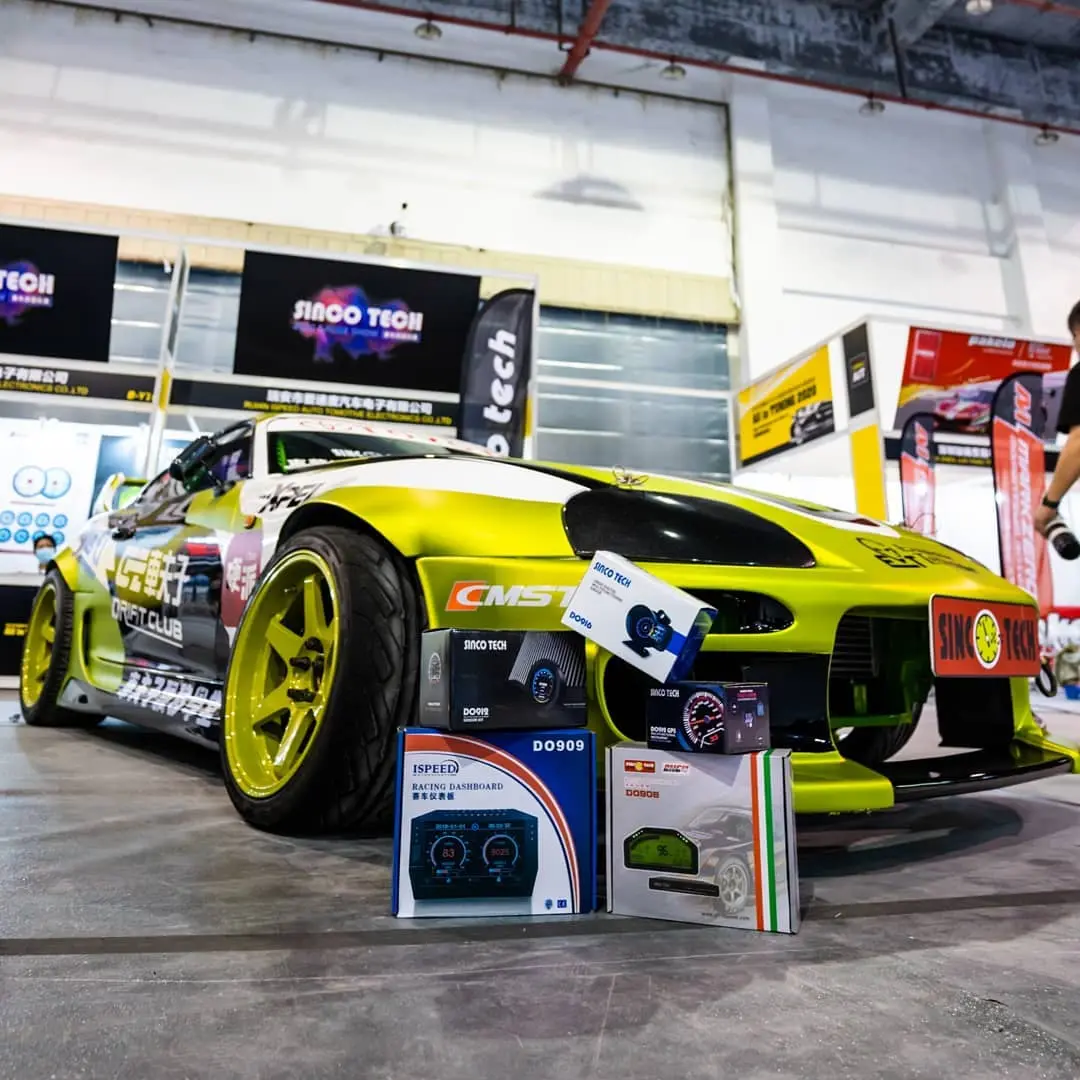
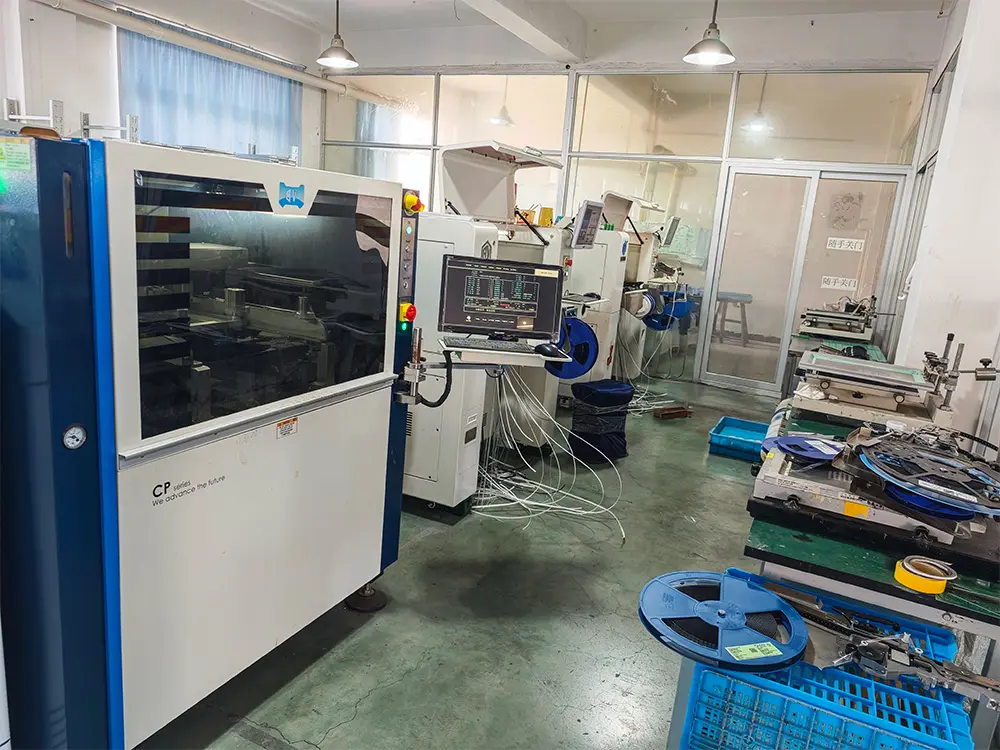
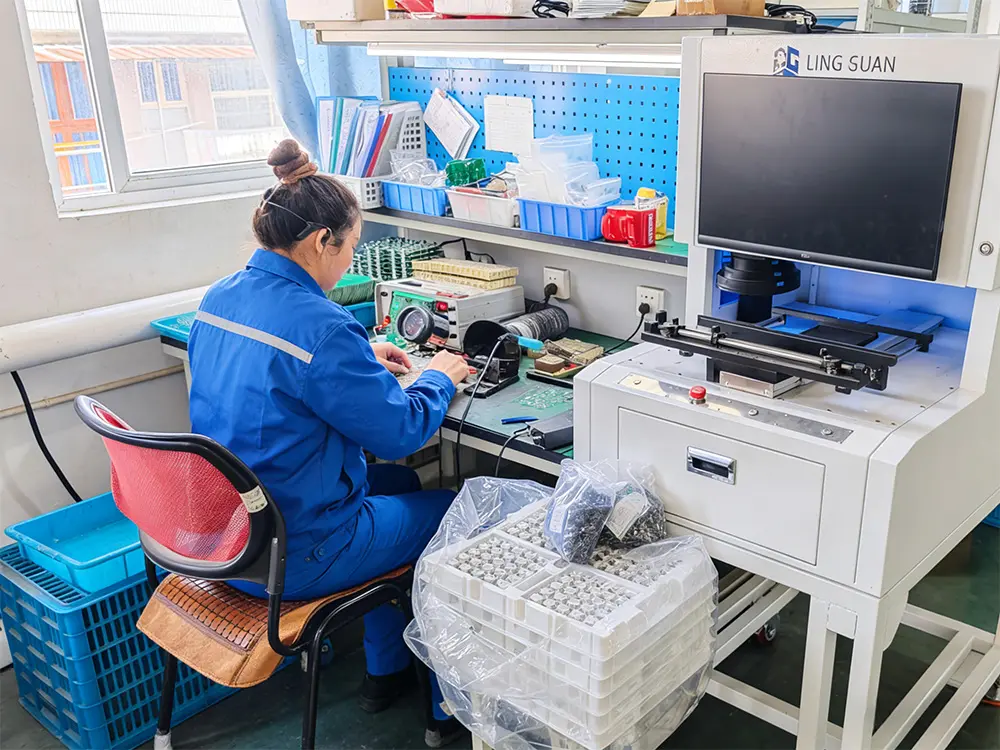

We are committed to building an international brand of automotive instrumentation, breaking the long-held paradigm of limited specialized representation in this sector. Our distribution channels supply clients across North America, Europe, Australia, and East Asia with reliable performance, structured cargo dispatching, and comprehensive after-sales technical support.
Automotive Instrumentation Legacy
Tailored Branding & Custom Sizing
Targeting Racing & Tuning Markets
Get answers to key technical questions about gauge calibration, signal communication standards, and sourcing requirements for bulk automotive gauge systems.
GPS speedometers bypass the transmission entirely by referencing geolocation coordinates from global satellite constellations. This prevents calculation errors caused by tire size variations, customized final drive ratios, or gear wear. By installing an active GPS receiver module, the instrument cluster reads true ground speed. This makes it an ideal plug-and-play solution for custom vehicle builds, agricultural machinery, marine vessels, and legacy classic restorations.
Yes. Through our specialized OEM and ODM service channels, we allow distributors to print proprietary corporate logos on the gauge faces. Clients can also adjust sweep thresholds, backlight spectrums, scale displays (km/h vs. mph, PSI vs. Bar), and customize bezel coatings (brushed aluminum, chrome, or satin black) to match target market requirements.
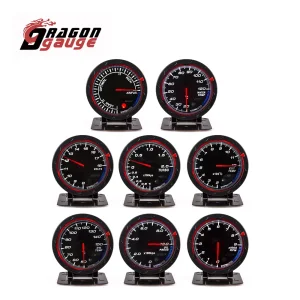
SincoTech focuses on high-end racing configurations and was co-developed with an Australian team. It integrates multi-signal dashboards (such as 10-in-1 OLED clusters) that communicate through CAN-bus or OBDII to log real-time lap times, exhaust gas temperature, turbo pressure, and sensor telemetry. GragonGauge targets the performance tuning and modification sector, offering individual analog gauges (52mm and 60mm styles) for clean cockpit integration.
We manufacture instrument housings in three industry-standard sizing specifications to ensure broad compatibility: 52mm (2 inches), 60mm (2.36 inches), and 85mm (3.75 inches). This range covers everything from compact A-pillar gauge pods to center dash displays and steering column instrumentation housings.
All SincoTech racing dashboards and GragonGauge units undergo multi-axis vibration validation testing. Internally, components are surface-mounted with reinforced solder terminals on premium-grade glass-epoxy circuit boards. This ensures stable electric connection and pointer tracking under sustained high-vibration conditions and high g-force environments.
OBDII multi-function dash panels connect directly to the vehicle's diagnostic port (OBDII standard). This allows the system to read engine speed, coolant temperature, manifold pressure, and fuel level directly from the ECU via CAN-bus protocol, eliminating the need to install separate sensors under the hood. For vehicles without an OBDII system, we also supply analog multi-sensor kits to monitor key parameters manually.
 Dongou