Explore our premium selection of dynamic LCD dashboard systems, multi-sensor racing clusters, and custom 52mm/60mm/85mm analog-digital display solutions.
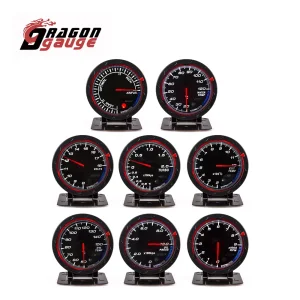
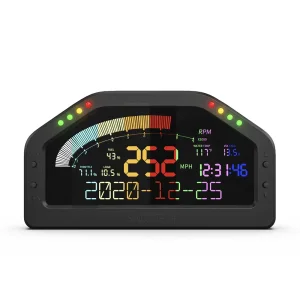
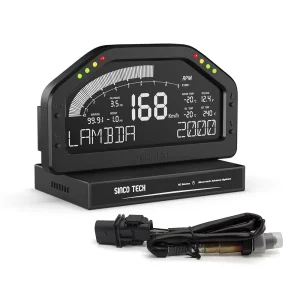
In the global transport, racing, and logistics sectors, mechanical speedometers are rapidly being phased out in favor of high-frequency GPS-based MPH/KPH gauges. Traditional vehicle instrument systems rely on output shafts or wheel-speed sensors connected to mechanical gearboxes. However, these systems struggle with inaccuracies caused by tire wear, custom wheel sizes, dynamic slip rates, and mechanical load anomalies. A custom GPS MPH gauge bypasses the drivetrain entirely, offering real-time ground speed calculations based on satellite data inputs.
A reliable custom GPS speed gauge must address speed latency and signal degradation caused by urban canyons, dense tree canopies, or remote geography. Modern industrial-grade GPS gauges integrate high-frequency multi-constellation modules that access GPS (USA), GLONASS (Russia), BeiDou (China), and Galileo (EU) satellites simultaneously.
Using a 10Hz GPS module, the gauge updates coordinates and velocity vectors ten times per second. This reduces indicator lag compared to 1Hz receivers. Furthermore, integrated microcontrollers run proprietary Kalman Filtering Algorithms. These filter out positioning noise (multipath interference), maintaining a smooth needle movement or digital transition even during sudden acceleration or braking.
In the transition to electric vehicles (EVs) and hydrogen fuel cell logistics, physical drivetrains are undergoing significant design shifts. Dual-motor and hub-motor configurations lack traditional driveshafts, leaving mechanical speedometer setups without a direct input source. GPS-based MPH gauges act as standalone units, requiring only positive/negative power connections and a clear line of sight for the antenna. This simplifies installation, making them suitable for B2B fleet retrofits and newly developed EV platforms.
| Feature Set | Mechanical/Transmission Gauges | OBDII Connected Displays | Multi-Constellation GPS MPH Gauges |
|---|---|---|---|
| Primary Data Source | Drivetrain Gearbox / Wheel Sensor | ECU Diagnostics Port (OBDII) | GNSS Satellite Network (GPS/GLONASS/BeiDou) |
| Calibration Requirement | High (Must adjust for tire wear & gear ratios) | Medium (Requires ECU re-flashing if modified) | None (Plug-and-play auto-calibration) |
| Installation Complexity | Intrusive (Requires access to gearbox/hubs) | Low (OBDII port connection) | Minimal (12V/24V Power + GPS Antenna) |
| EV Compatibility | Poor (Drivetrains lack standard output gears) | Varies (Requires proprietary EV OBD CAN protocols) | Universal (No drivetrain dependence) |
| Operational Accuracy | +/- 5% (Degrades with mechanical wear) | +/- 2% (Calculated wheel speed data) | +/- 0.1 knot / mph (Constant tracking) |
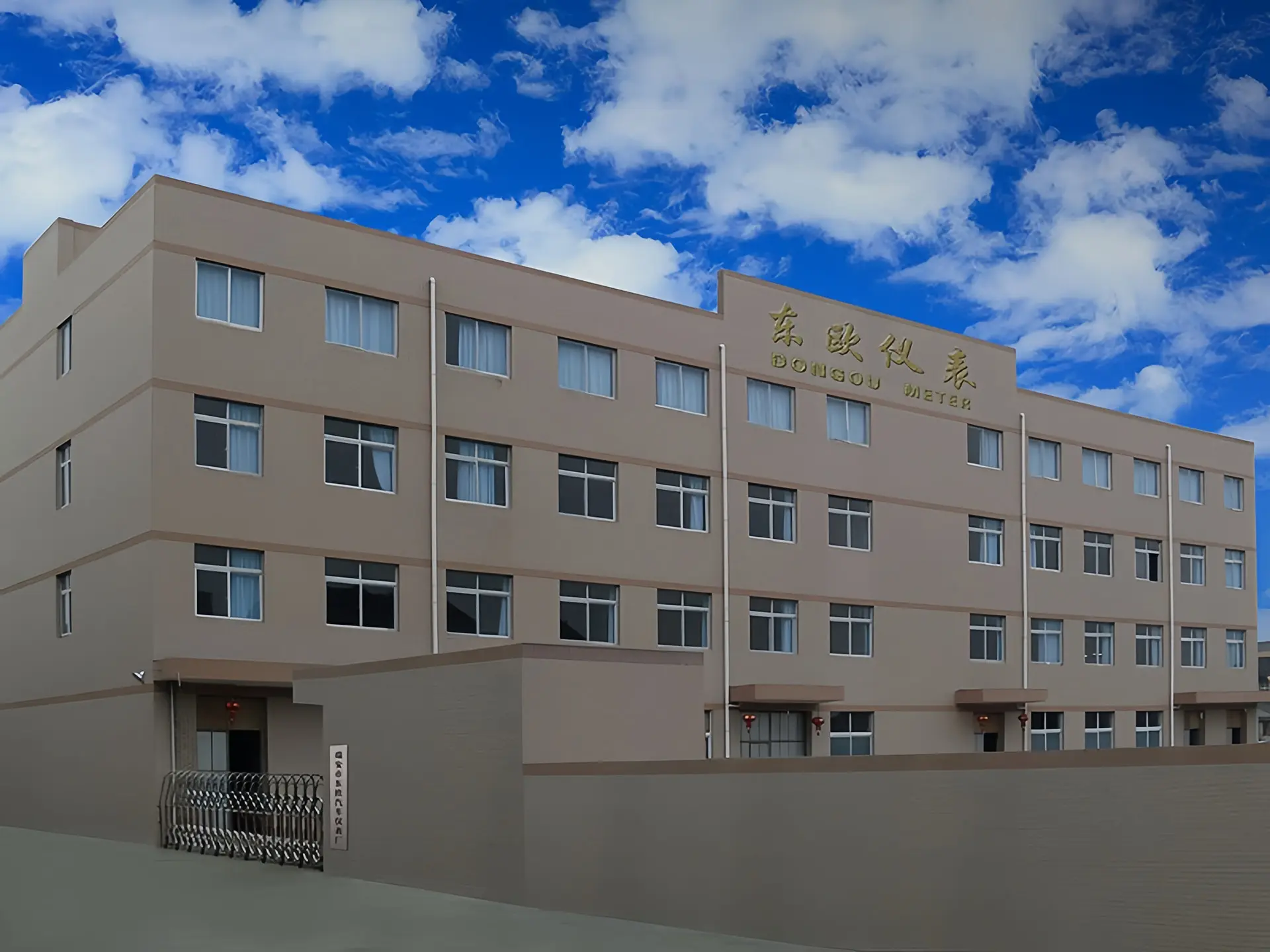
Established in 1986, Ruian DongOu Automobile Meter Factory has spent over 38 years engineering and manufacturing automotive instrumentation systems. We support B2B clients globally with stable, high-precision production lines designed to meet international standards.
We manage two specialized brands tailored to distinct global market segments:
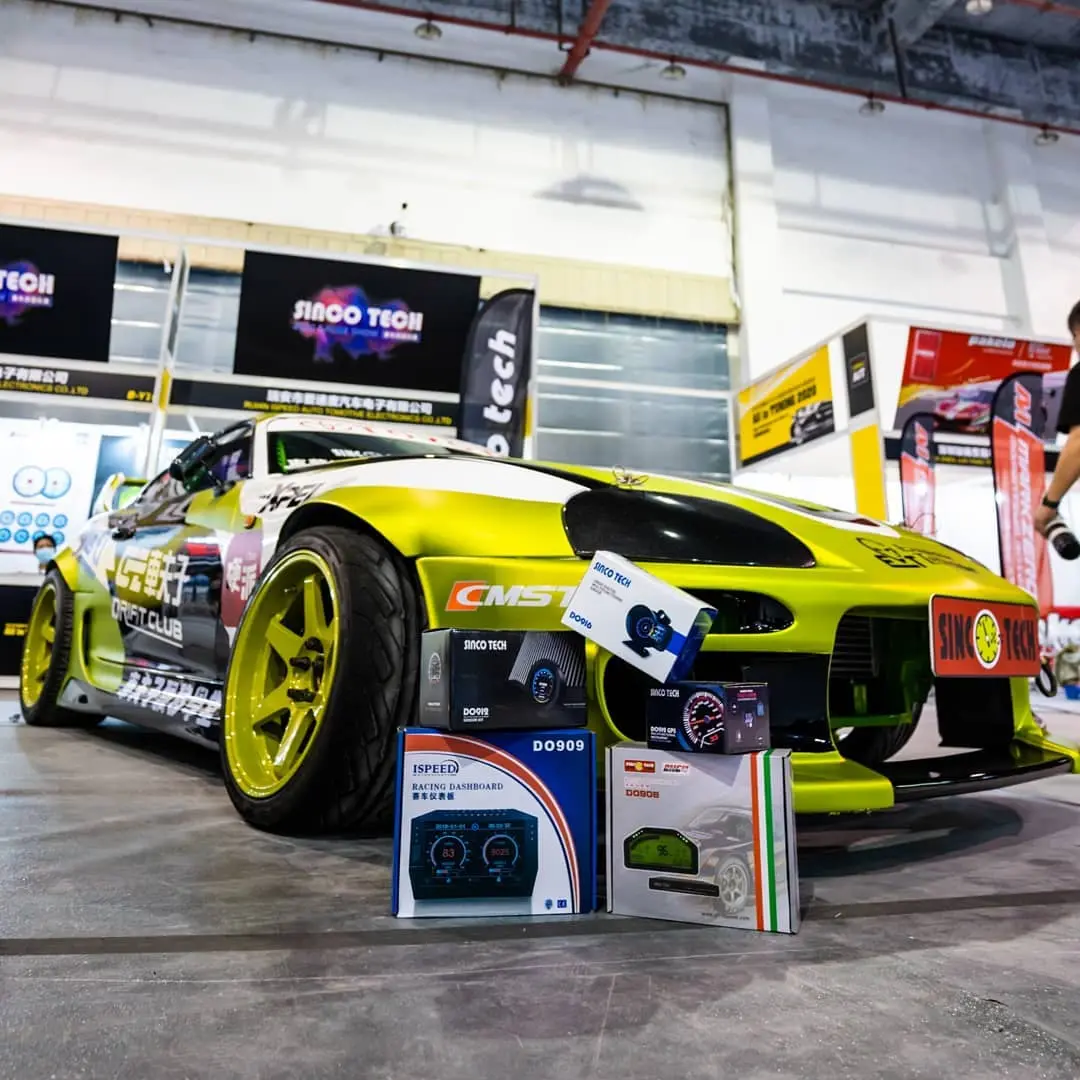
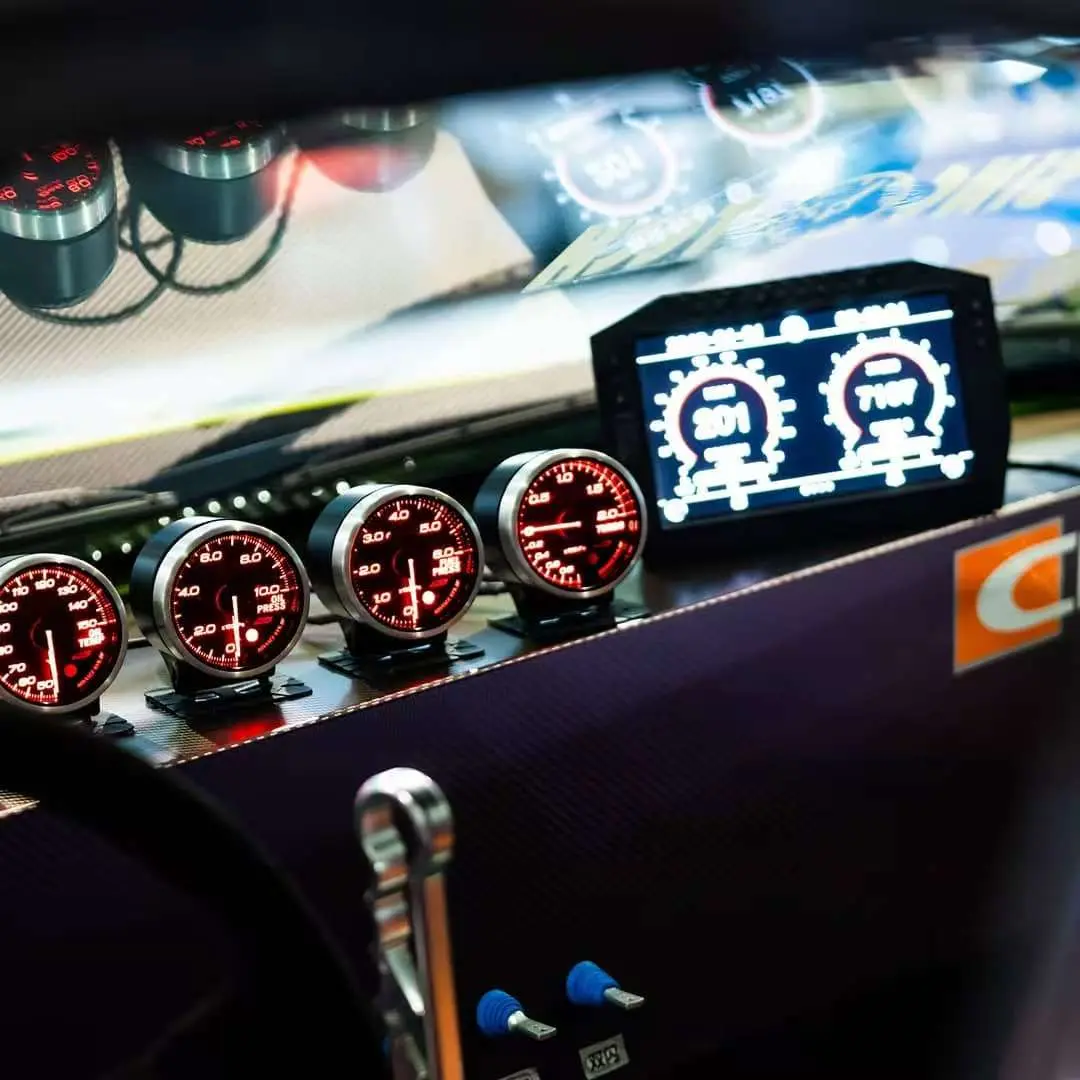
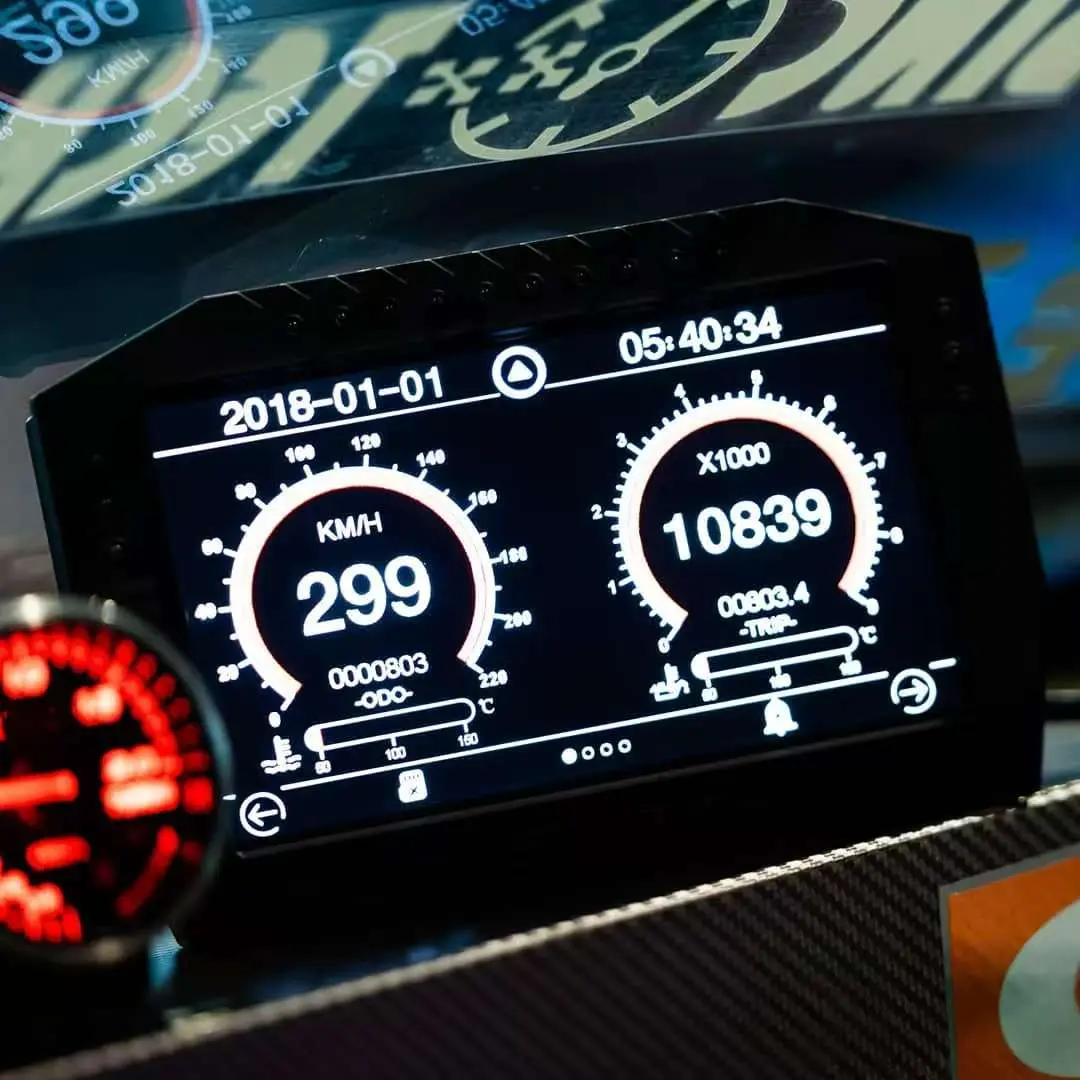
Custom speedometers must adapt to varied environments. For example, offshore vessels require salt-mist-resistant displays with high waterproofing ratings, while high-performance racing demands low signal latency and readable screens. We customize each instrument platform to match these specific requirements.
Saltwater corrodes standard electronics. Our custom marine GPS speedometers feature 316L stainless steel bezels, IP67-rated enclosures, and double-layered anti-fogging glass for reliable performance on the water.
High-vibration machinery can damage mechanical indicators. Our speedometers conform to JIS D1601 vibration testing protocols, utilizing internal dampening mounts and surface-mount device (SMD) architecture to ensure longevity.
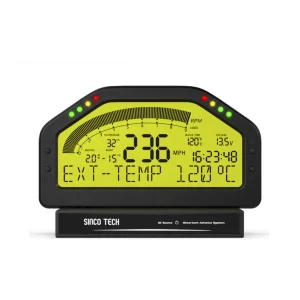
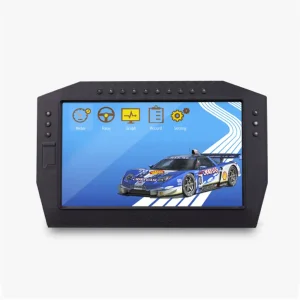
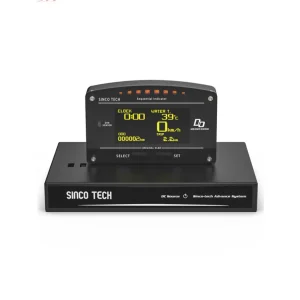
SincoTech race displays combine GPS speed tracking with real-time sensor loops. This allows drivers to monitor engine metrics alongside dynamic velocity vectors on a single screen.
The main challenge of satellite-based instrumentation is signal loss when driving through tunnels, thick forests, or multi-level garages. Our product roadmap addresses this by integrating UDR (Untethered Dead Reckoning) chipsets into our custom GPS speedometers.
By pairing a 6-axis Inertial Measurement Unit (IMU) with our GPS processor, the gauge calculates velocity using the vehicle's last known trajectory, pitch, roll, and acceleration. This maintains speedometer operation even during temporary satellite signal loss. Additionally, our system supports Assisted GPS (A-GPS), caching orbit data locally to reduce cold-start coordinate lock times from 30 seconds down to under 2 seconds.
To ensure high B2B quality standards, Ruian DongOu relies on cleanroom SMT assembly lines, automated optical inspection (AOI), and multi-stage burn-in test chambers. Our gauges undergo rigorous validation procedures prior to shipment:
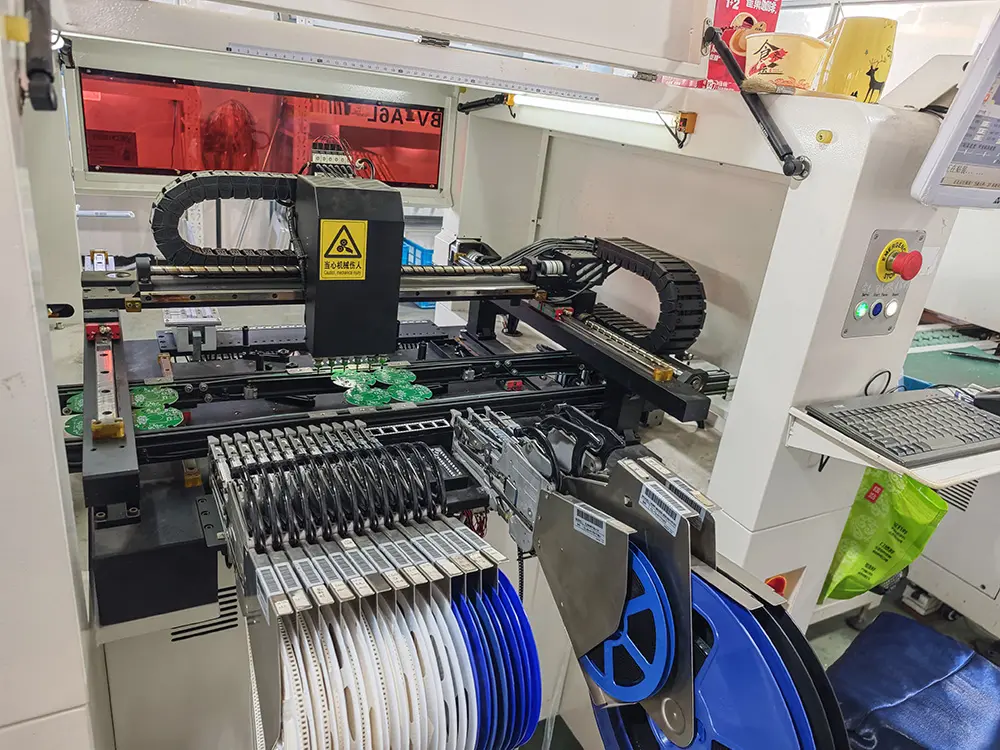
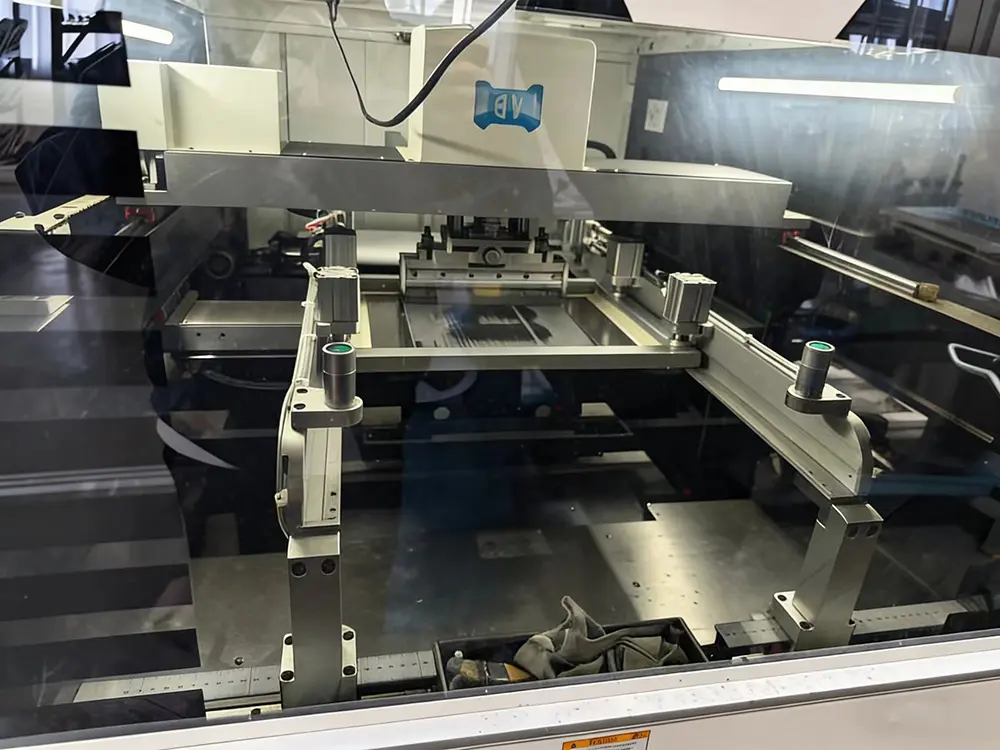
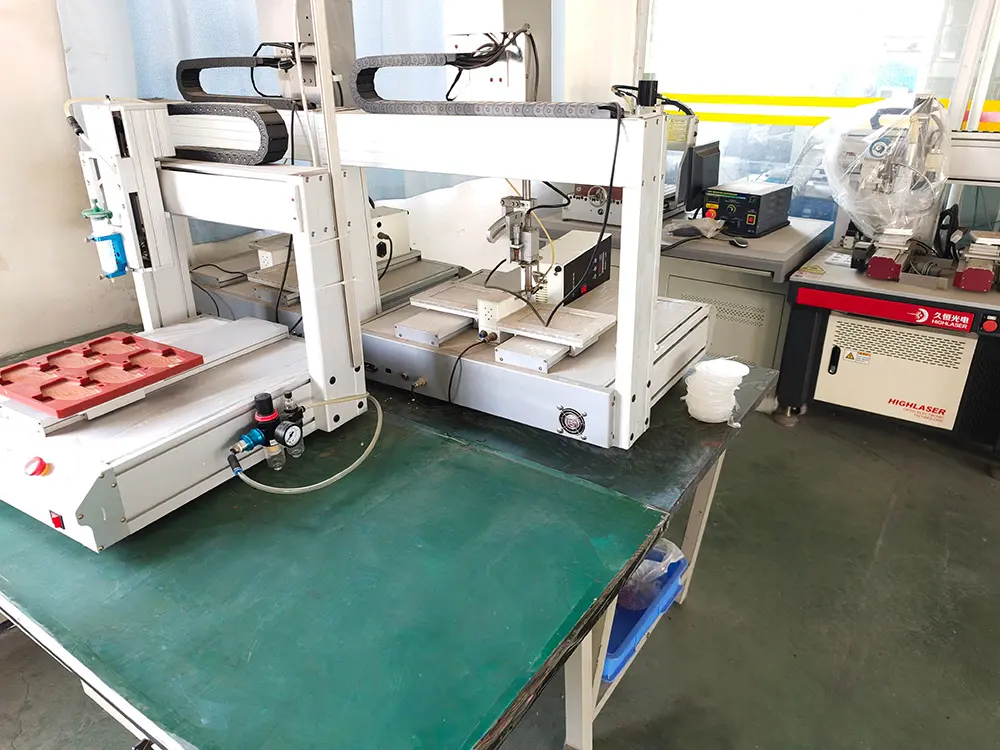
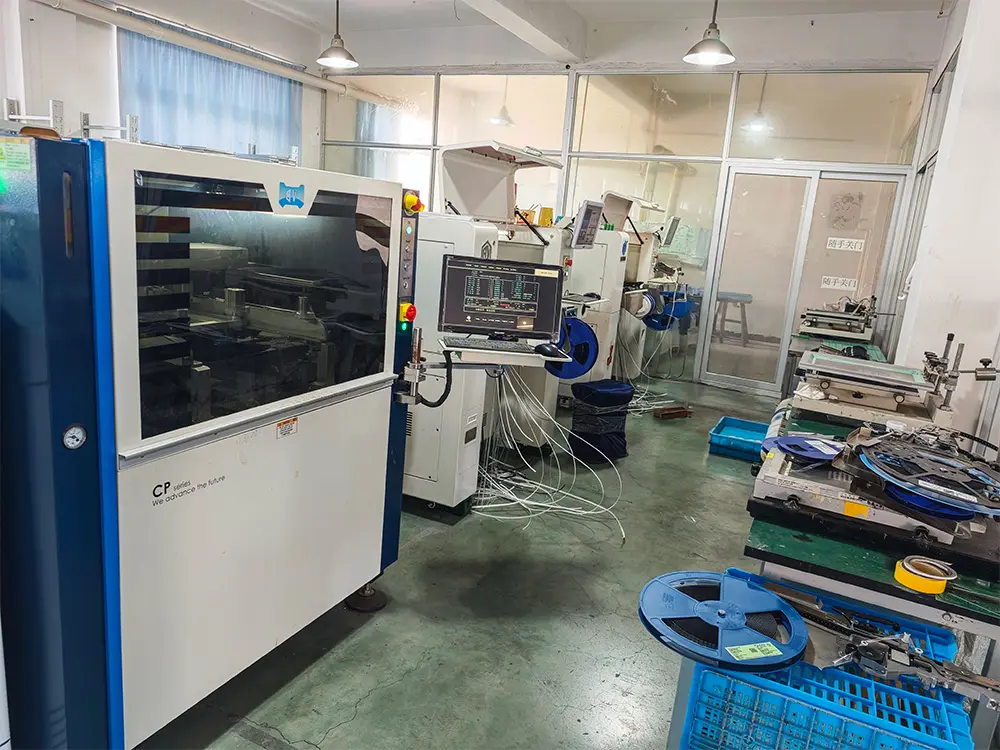
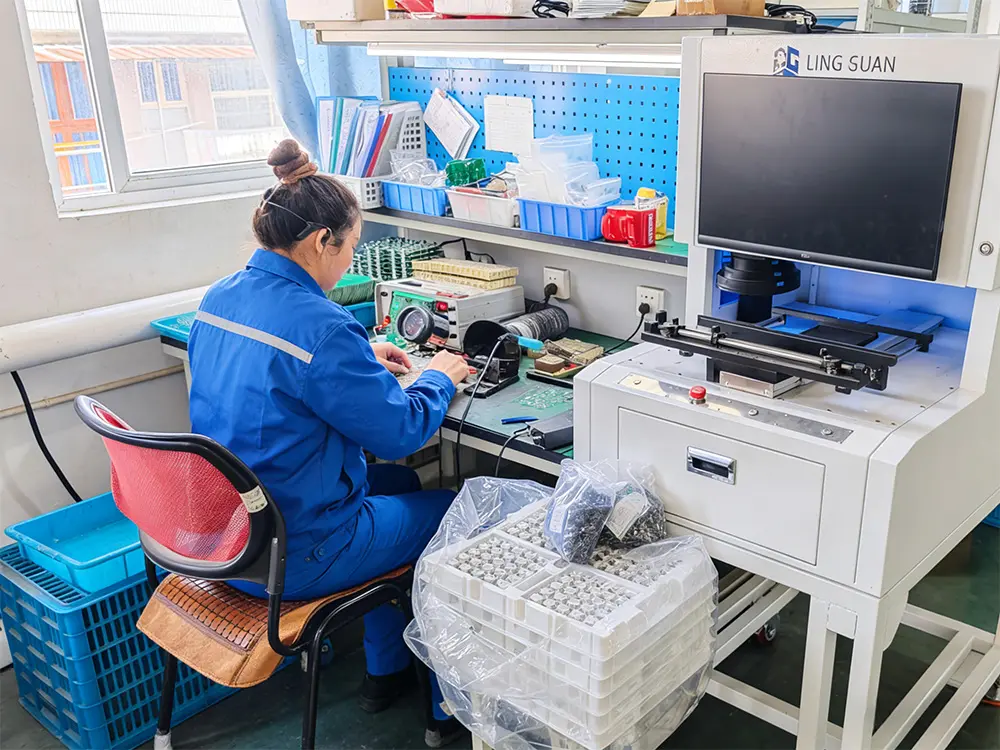

Our customizable instrumentation platforms adapt to diverse industries and configurations, ensuring reliability across a range of operational environments.
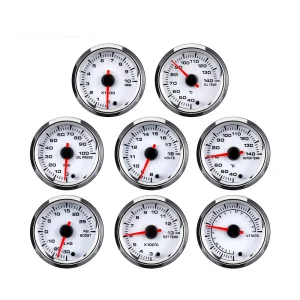
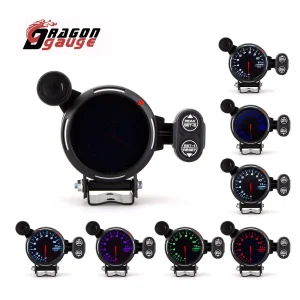
Our modular architecture allows clients to pair GPS speedometers with oil pressure, water temperature, and boost indicators, creating unified cluster setups tailored to their needs.
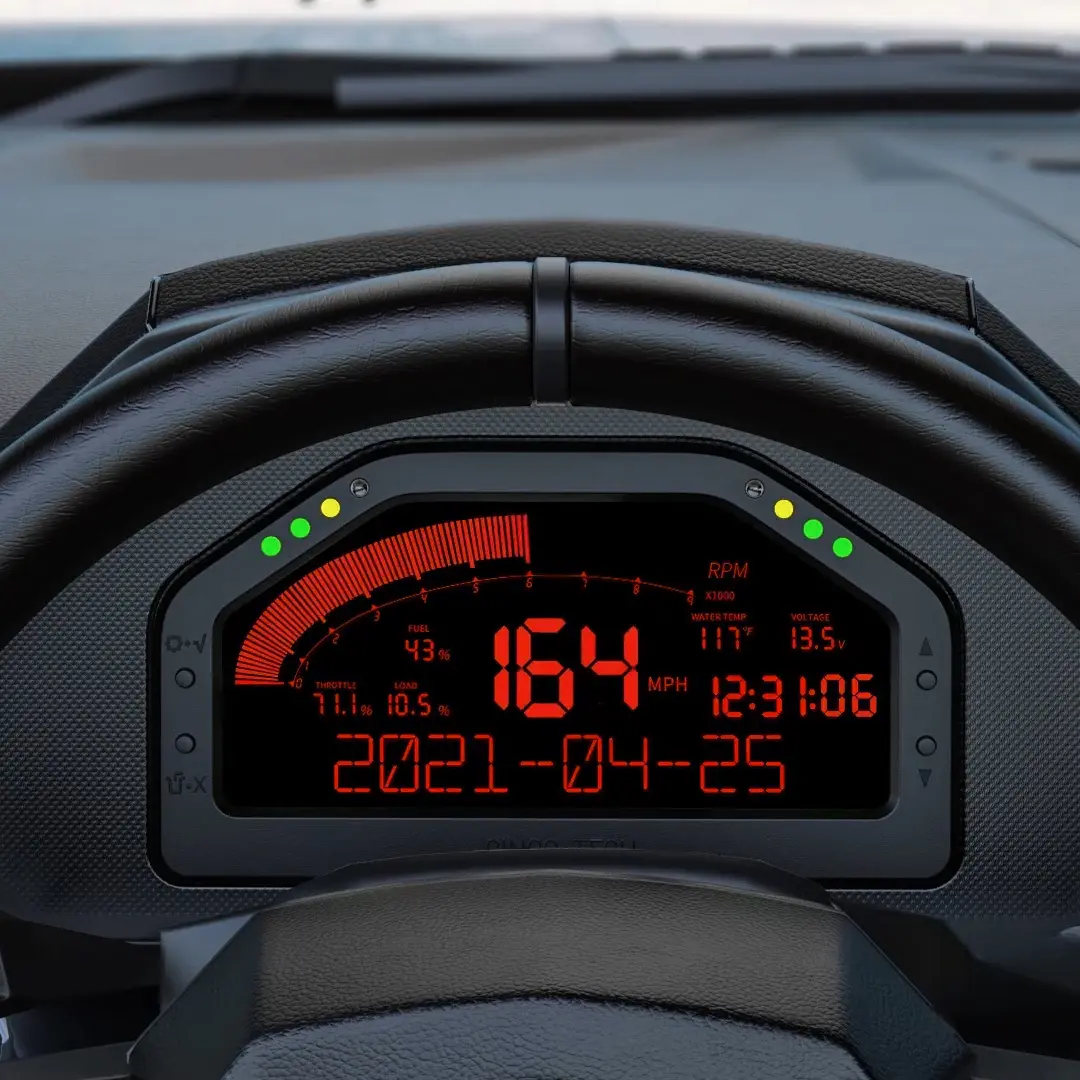
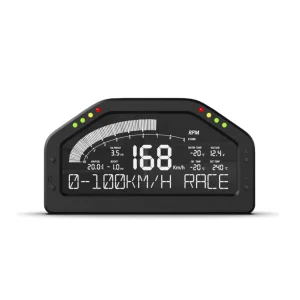
SincoTech racing dashes integrate GPS, OBDII, and direct sensor feeds to deliver a comprehensive diagnostic interface for competitive racing teams.
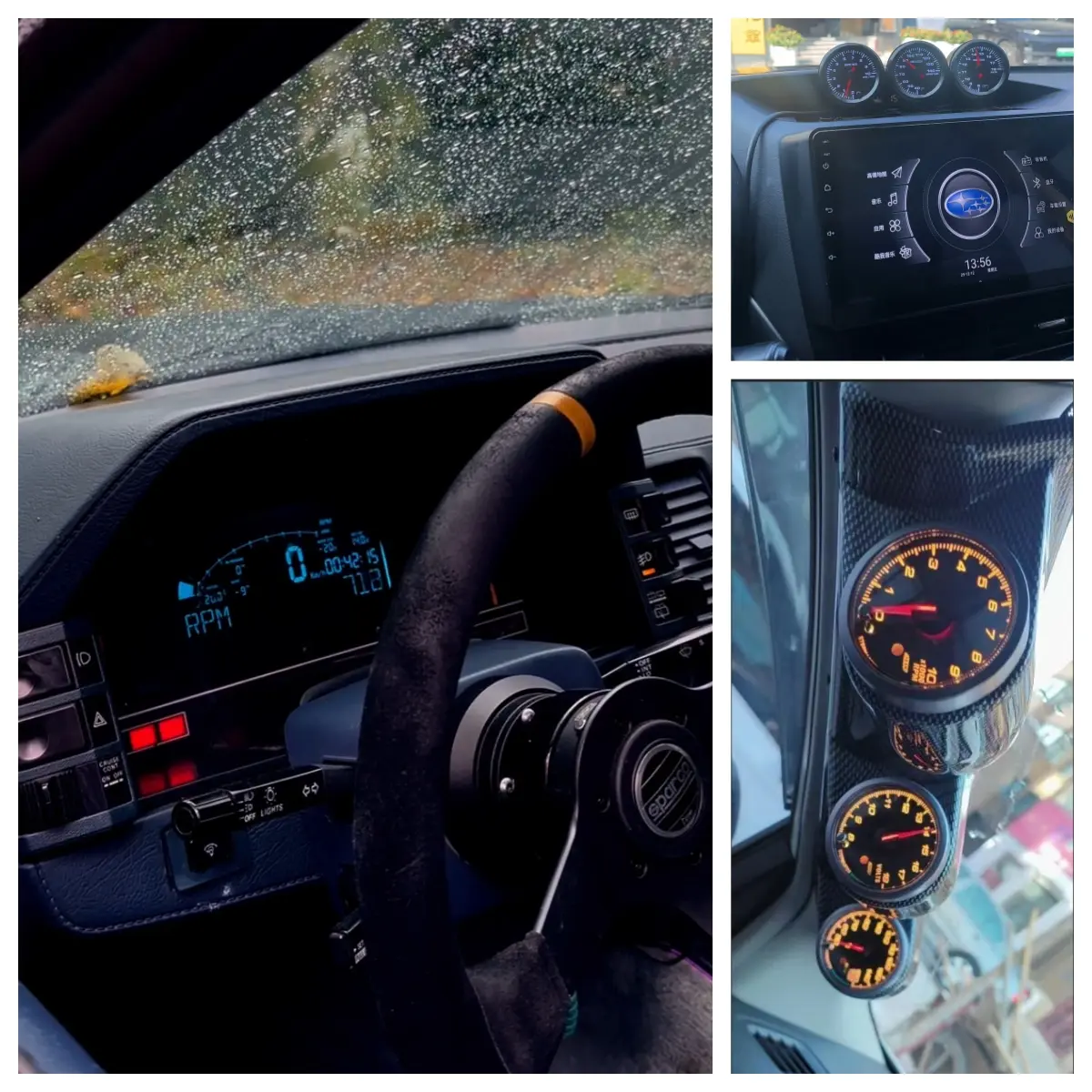
Featuring multi-angle bracket configurations and standalone sensor kits, our gauges support flexible mounting layouts in customized cabins, boats, or race cars.
Find direct, technical answers to common B2B sourcing, calibration, and integration queries.
Browse additional customized instrumentation kits, OBDII-enabled displays, and specialized gauge options manufactured in our Ruian facilities.
 Dongou