Explore our premium range of high-definition racing dashboards and multifunctional display modules, engineered for extreme environmental resilience and latency-free telemetry decoding.
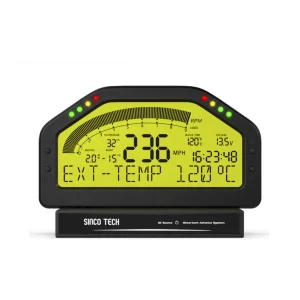
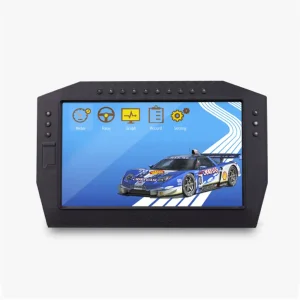
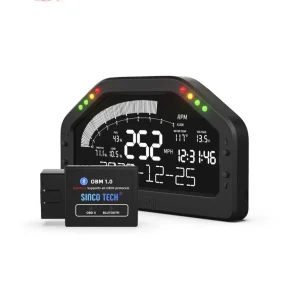
Insight analysis of the digital motorsport telemetry market and technical requirements.
The global automotive customization and professional motorsport industries are experiencing a fundamental shift from traditional mechanical and simple analog dials to complex, high-speed digital dashboard displays. In professional track environments, off-road rallying, and extreme marine conditions, the ability to aggregate, render, and react to engine telemetry in real-time makes the difference between mechanical failure and podium performance.
As modern vehicle architectures increasingly rely on sophisticated Electronic Control Units (ECUs) and extensive Controller Area Network (CAN-bus) topologies, dashboard displays must do more than show speed and engine RPM. They are now required to serve as high-density, centralized graphical hubs, monitoring parameters such as Exhaust Gas Temperature (EGT), oil temperature, transmission slip, boost pressure, fuel level, and sensor diagnostics simultaneously.
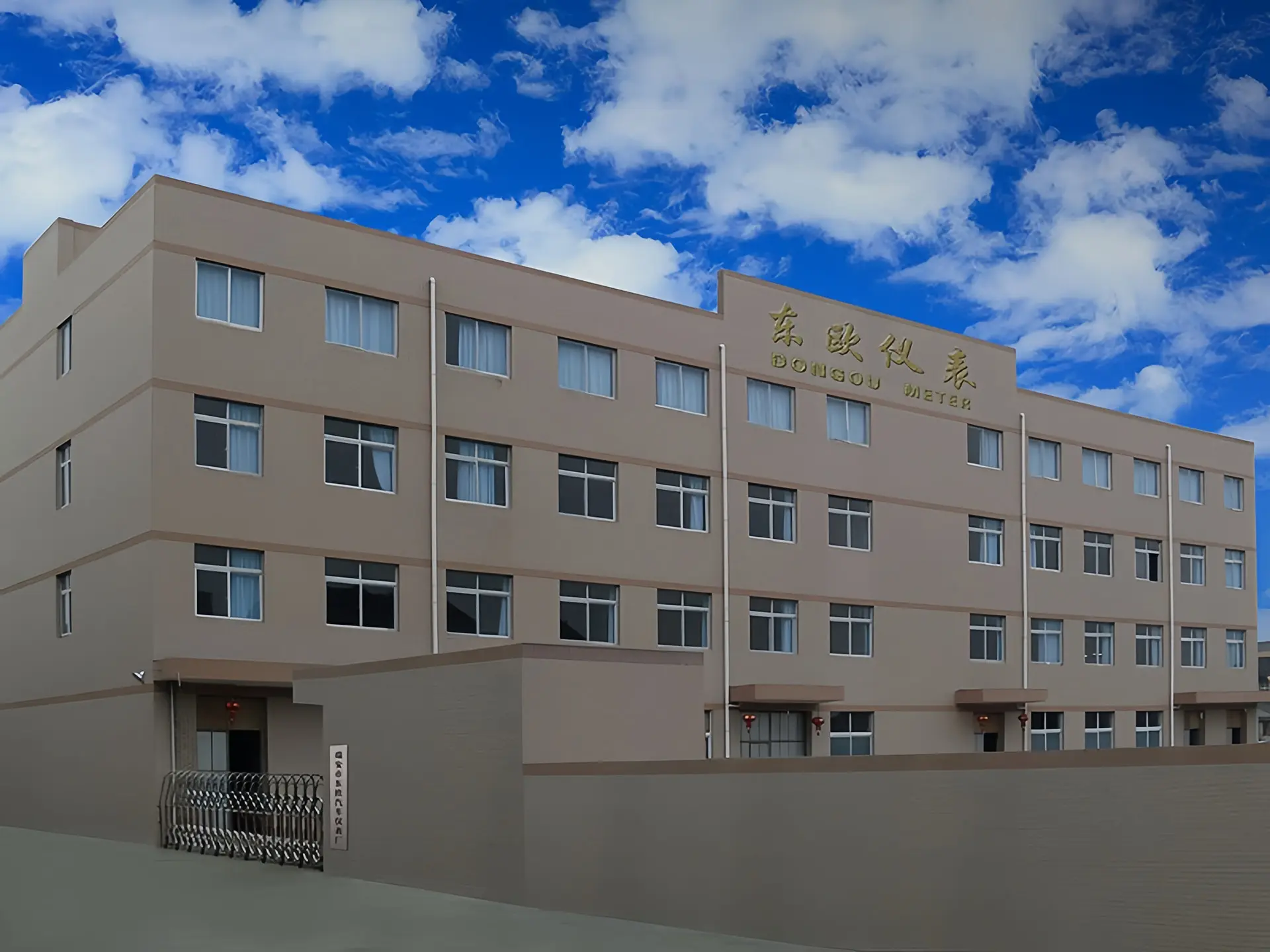
Years of Manufacturing Expertise
Integrated Data Telemetry Displays
Real-time Bluetooth & CAN-Bus Latency
Factory Calibration & Quality Auditing
Modern product development in the racing dashboard domain is guided by three core demands: ultra-low latency, multi-protocol interoperability, and environmental resilience. Display units must remain readable under intense, direct sunlight (requiring anti-glare screen treatments and high-brightness OLED/TFT backlights exceeding 800 nits) while resisting severe structural vibration, moisture exposure, and high temperature fluctuations inside racing cockpits.
Ruian DongOu Automobile Meter Factory — A trusted name in automotive instrumentation since 1986.
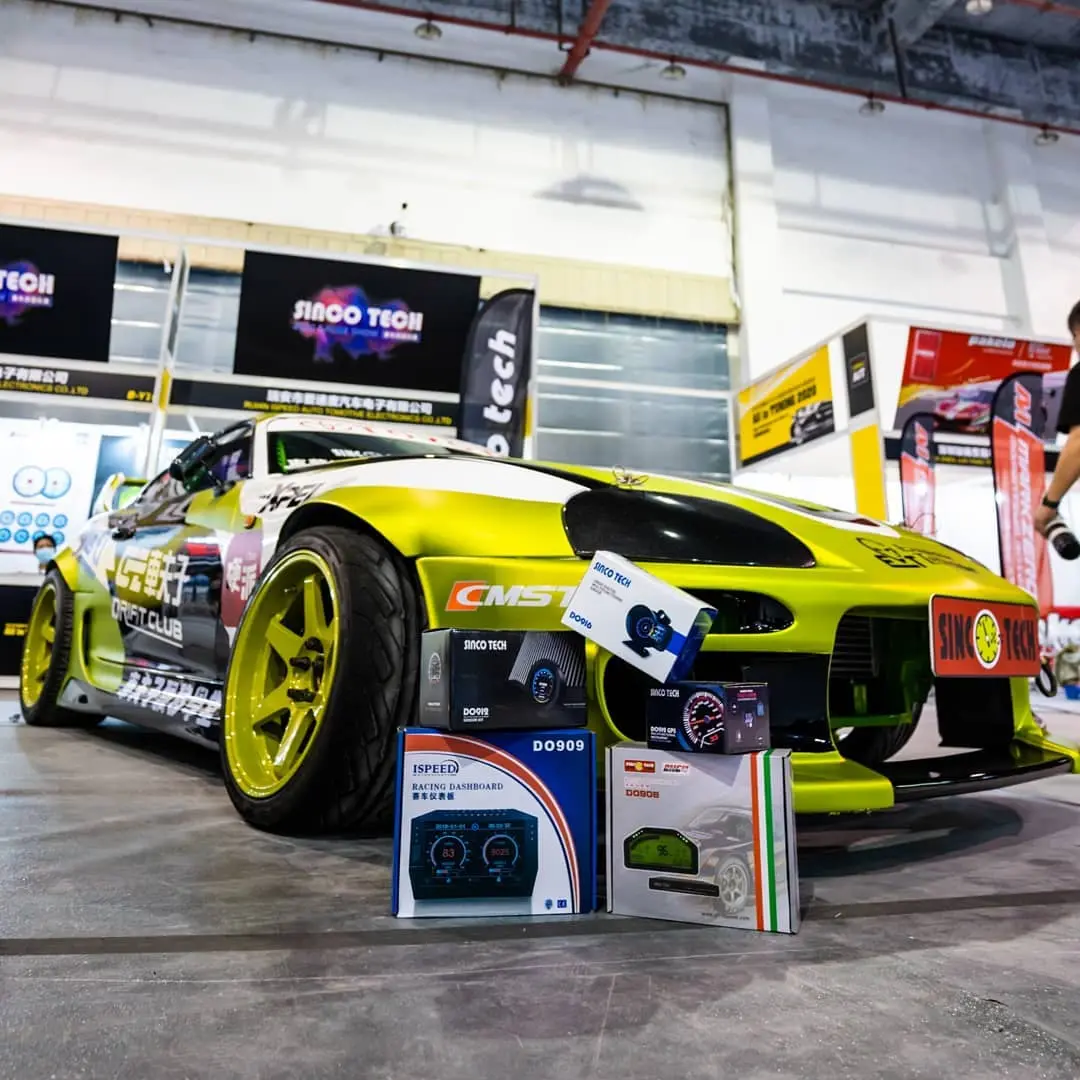
Established in 1986, Ruian DongOu Automobile Meter Factory has evolved from a regional manufacturer into a global leader in high-performance automotive instrumentation systems. Over nearly four decades, we have constructed a vertically integrated manufacturing infrastructure that covers PCB design, micro-programming, sensor calibration, environmental testing, and final housing assembly.
Our dual-brand structure allows us to serve diverse market tiers with specialized precision:
To meet international quality standards and ensure the safety of drivers, our manufacturing facility relies on state-of-the-art testing equipment. Every batch of custom digital displays undergoes testing for thermal stress (handling temperatures from -20°C to +80°C), vibration resistance (simulating high-RPM racing harmonics), and water ingress protection. Our dedicated calibration systems ensure that sensors for fuel level, pressure, and temperature remain accurate, even under extreme racing conditions.
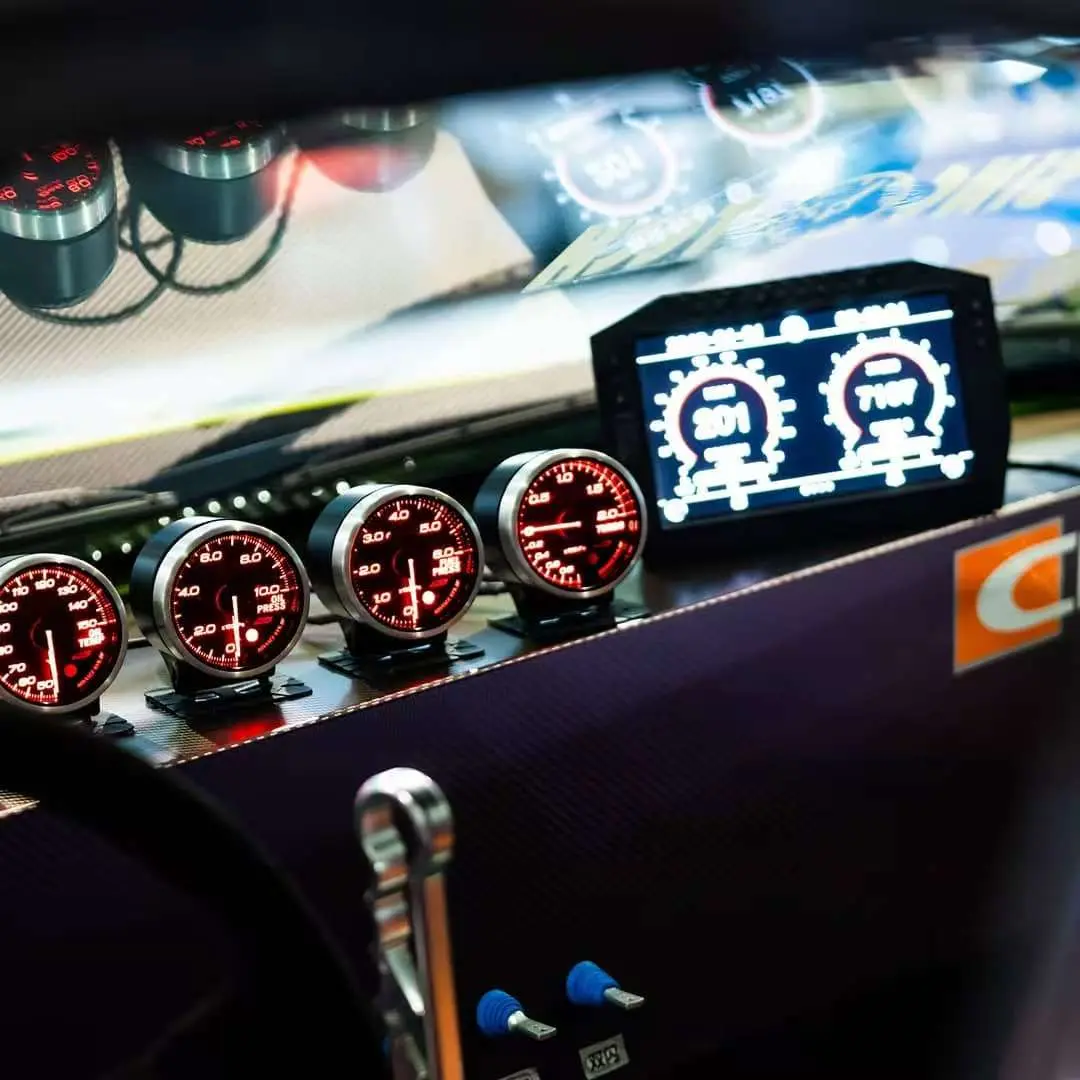
A detailed look at the software protocols, electrical topologies, and hardware architectures of our systems.
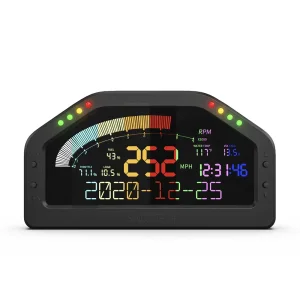
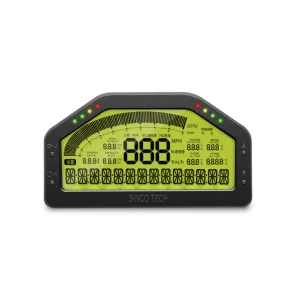
Our dashboard displays, such as the SincoTech DO921, utilize advanced microcontrollers that decode standard OBD-II (ISO 15765-4) data packets instantly. By interfacing directly with the vehicle's diagnostic port, our dashboards read real-time engine telemetry, including ignition timing, air-fuel ratio, and diagnostic trouble codes (DTCs), without introducing measurable latency to the gauge sweep.
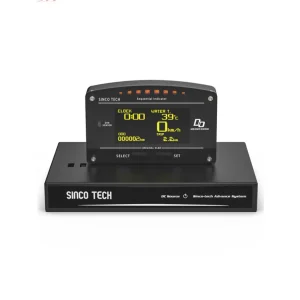
For custom cars and legacy race platforms that lack standard OBD-II setups, our Bluetooth-enabled control modules (found in the DO904 and DO922 kits) provide an elegant wireless solution. High-precision sensors in the engine bay connect directly to a centralized transmitter module, which relays data to the dashboard display via a secure, high-frequency Bluetooth link. This design simplifies installation, minimizes firewall routing, and protects delicate electronics from thermal damage in the engine bay.
Raw analog signals from NTC temperature sensors and oil pressure transducers are converted using onboard analog-to-digital converters (ADCs), filtering out electromagnetic interference (EMI) caused by ignition coils and high-output alternators.
The core processor filters the sensor inputs and packages them into high-speed data frames. This step handles unit conversions (e.g., Celsius to Fahrenheit, PSI to Bar) and checks values against warning thresholds configured by the user.
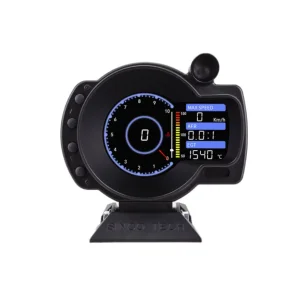
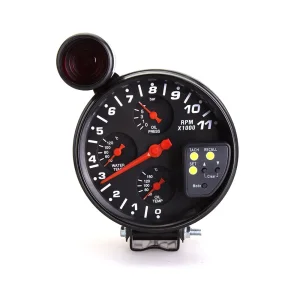
Graphics are output to high-nit TFT-LCD or self-emissive OLED panels. Features like high-intensity sequential shift lights, peak-recall logs, and customizable backlight profiles help drivers monitor key parameters under intense racing conditions.
Tailored telemetry systems designed to meet the rigorous demands of professional motorsports and custom builds.
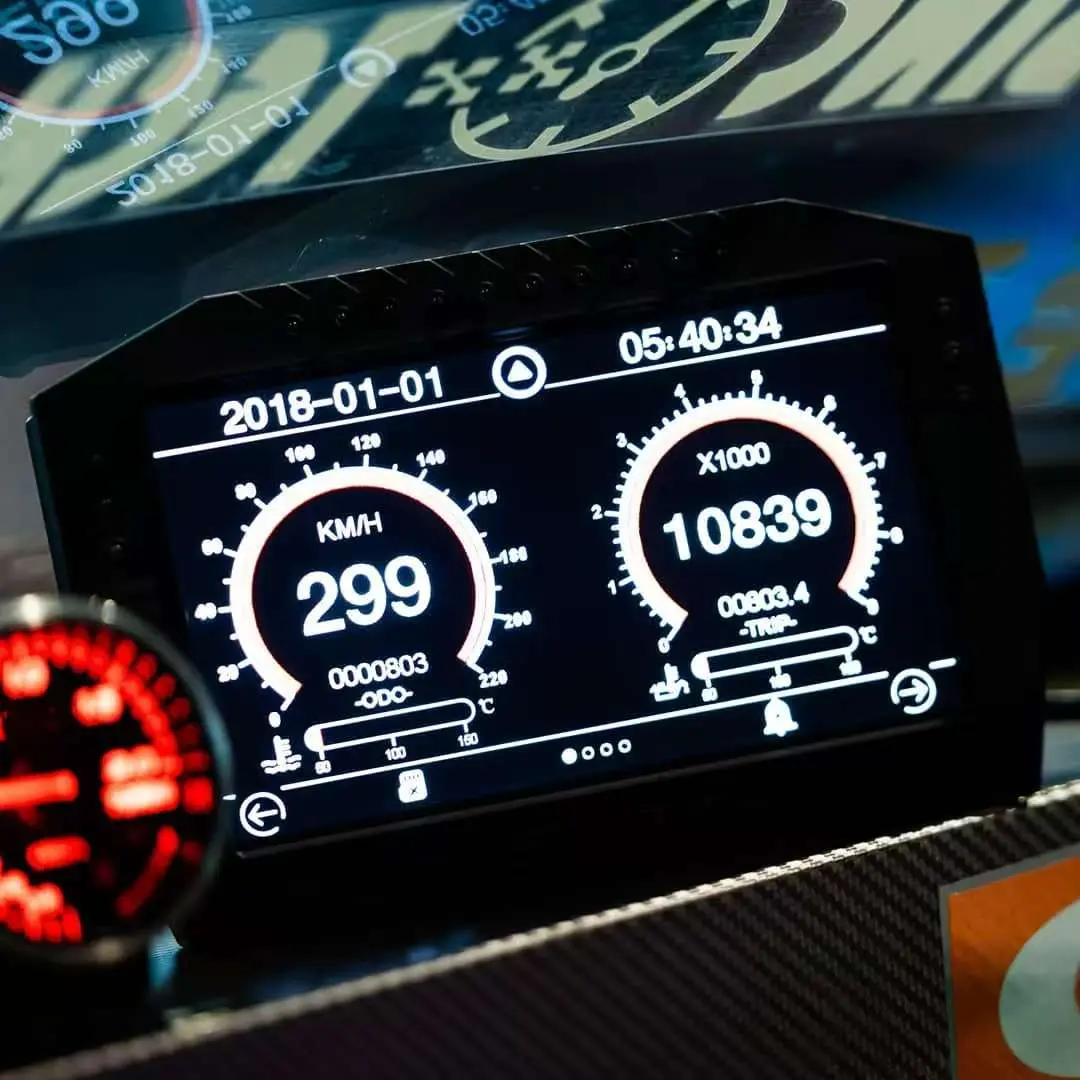
In rallying and track racing, telemetry displays must cope with heavy dust, water splashes, and high G-forces. The SincoTech DO908 rally dashboard is built with a rugged, waterproof casing and secure connector plugs. By integrating data points like oil pressure, water temperature, RPM, and boost pressure on a single display, it gives drivers clear visibility of vehicle health during demanding competitive runs.
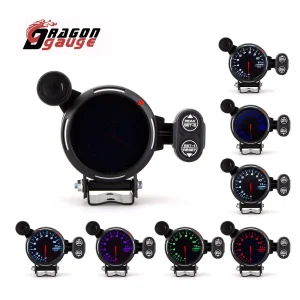
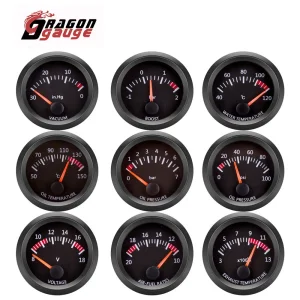
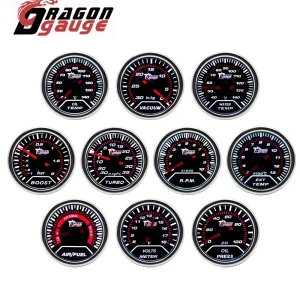
Tuning shops and aftermarket builders require customizable instruments to match varied interior layouts. Our GragonGauge series, offering 52mm, 60mm, and 85mm standalone options, integrates into custom gauge pods or dashboard panels. With features like selectable backlight colors and warning thresholds, these gauges fit right into modified tuner cars, vintage restomods, and specialized hot rods.
We work closely with global automotive brands, tuning houses, and component distributors to offer custom OEM and ODM manufacturing. Whether you require custom startup screens, custom sensor calibration profiles, branded logos, or specialized electrical interfaces, our R&D team can adapt our designs to your specifications. Our manufacturing capacity ensures steady supply chains and quality control for bulk orders and distributor networks worldwide.
Explore our secondary selection of targeted digital gauges and multi-function displays, designed for clean installation and high-precision performance monitoring.
How predictive diagnostics, connected vehicle systems, and advanced display technologies are shaping the future of racing instruments.
The future of motorsport instrumentation centers on connectivity and proactive warnings. Rather than simply displaying a temperature alert after a vehicle has overheated, upcoming systems will use local data processing to monitor changes over time. By tracking how quickly temperatures rise alongside throttle input and oil pressure, these systems can alert pit crews to potential cooling issues before they lead to engine failure.
Additionally, modern displays are integrating wireless cloud uploads. This allows engine data, lap times, and structural diagnostics to be uploaded to pit garage monitors in real-time, enabling race engineers to monitor performance remotely during testing sessions.
As the automotive industry shifts toward electric drivetrains, display requirements are changing. Custom racing dashboards are adapting to monitor electric parameters, such as battery pack cell temperatures, current draw, voltage sag, and motor operating temperatures, alongside traditional telemetry points. Ruian DongOu is actively designing displays and software platforms capable of reading data streams from both hybrid powertrains and full electric racing conversions.
Common questions from distributors, custom shops, and racing teams regarding our dashboard displays.
Our Bluetooth-enabled systems, including the DO904 and DO922, utilize a proprietary, high-frequency wireless link. The engine bay transmitter module samples analog sensor data at a high frequency, packages it, and transmits it to the dashboard receiver with a system latency of under 10 milliseconds, ensuring quick, smooth needle sweeps and accurate warnings.
Yes, the DO921 dashboard is designed to interface with standard OBD-II protocols. For vehicles equipped with aftermarket ECUs (such as Link, Haltech, or Motec), the unit can read and display standard OBD-II diagnostic streams. For custom CAN configurations, contact our engineering support team for specific OEM firmware options.
For open-cockpit applications, high-contrast, self-emissive OLED panels and high-brightness TFT screens (over 800 nits) offer the best readability. These displays minimize glare and reflections, maintaining visibility in direct sunlight. Additionally, customizable color profiles allow drivers to adjust contrast for optimal viewing in varying light conditions.
Yes, we provide full OEM and ODM services. We can customize startup screen logos, enclosure dimensions, sensor configurations, scale units, and backlight behavior to match your brand requirements. Please contact our sales team to discuss minimum order quantities (MOQ) and customization details.
Yes, the sensor kits supplied with systems like the DO908 and DO904 are rated for moisture and dust resistance. Sensor bodies, wiring connectors, and transmitter housings are sealed to prevent ingress, ensuring reliable operation in wet off-road environments and high-humidity engine bays.
Every instrument we manufacture undergoes static and dynamic calibration using precise reference equipment. Tachometers are tested against signal generators to ensure accuracy across the RPM range, while pressure and temperature sensors are calibrated in temperature-controlled chambers to maintain accuracy under varying operating conditions.
 Dongou