In the era of high-performance tuning, electric drivetrains, and complex CAN-bus protocols, standard factory dashboards are no longer sufficient. Precision diagnostics and ultra-responsive telemetry displays have transformed from luxury enhancements to critical, core requirements. Modern automotive engineering relies heavily on latency-free sensor data to preserve engine health and optimize thermal dynamics.
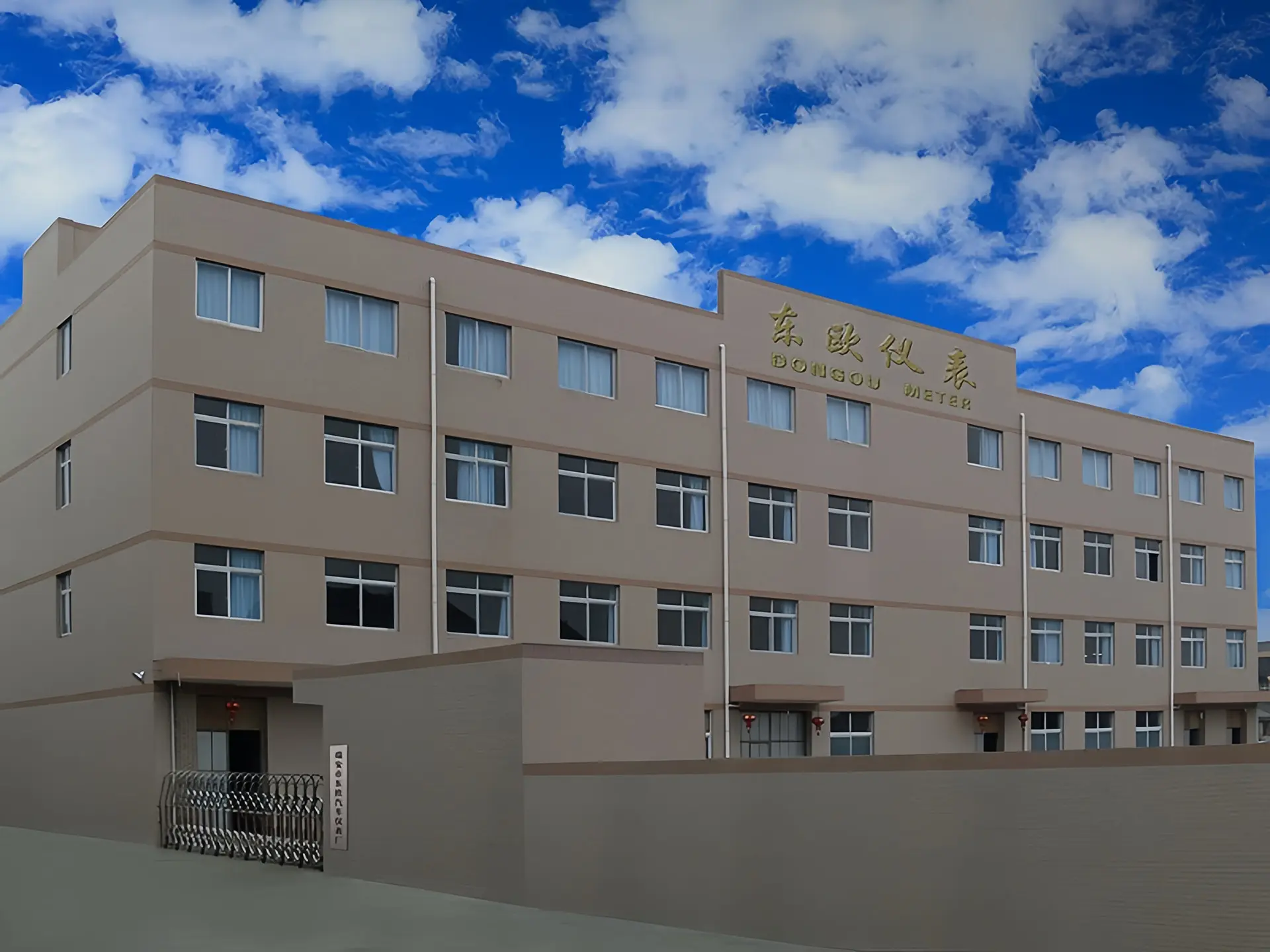
Established in 1986, Ruian DongOu Automobile Meter Factory has spent nearly four decades positioning itself at the leading edge of custom automotive instrumentation technology. Our deep manufacturing background and robust R&D engineering structure allow us to serve global tier-one distributors, specialized motorsport builders, and commercial fleet integrators.
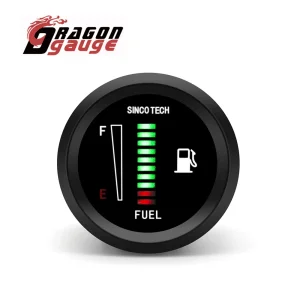
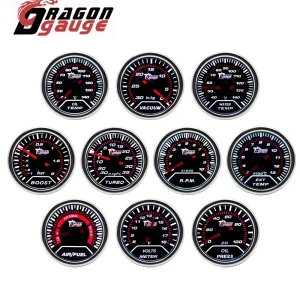
We manage a comprehensive dual-brand system tailored to target specific commercial profiles: SincoTech, a high-end racing line developed in close collaboration with leading Australian engineering partners, and GragonGauge, a dedicated performance tuning modification brand offering versatile analog and digital monitors.
Procuring custom instrumentation systems at an industrial scale demands stringent compliance frameworks, high supply chain stability, and absolute component reliability. B2B buyers must navigate complex regional technical standards while ensuring low lead times.
We provide full white-label and customized tooling options, including custom dial designs, variable LED backlighting profiles, tailored startup screen animations, and custom shell housings (52mm, 60mm, and 85mm formats).
Every batch of Gauges undergoes rigorous environmental stress screening (ESS), high-temperature aging chambers, vibration tests simulating race conditions, and EMI/EMC suppression matching ISO automotive standards.
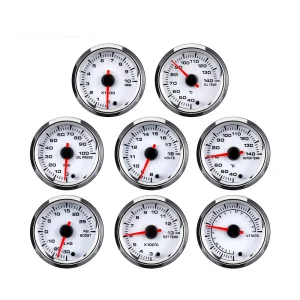
All performance gauges use highly calibrated, standard-threaded NPT sensors (1/8 NPT for oil/water and oil pressure) ensuring high compatibility with aftermarket engine layouts, manifolds, and adapter blocks.
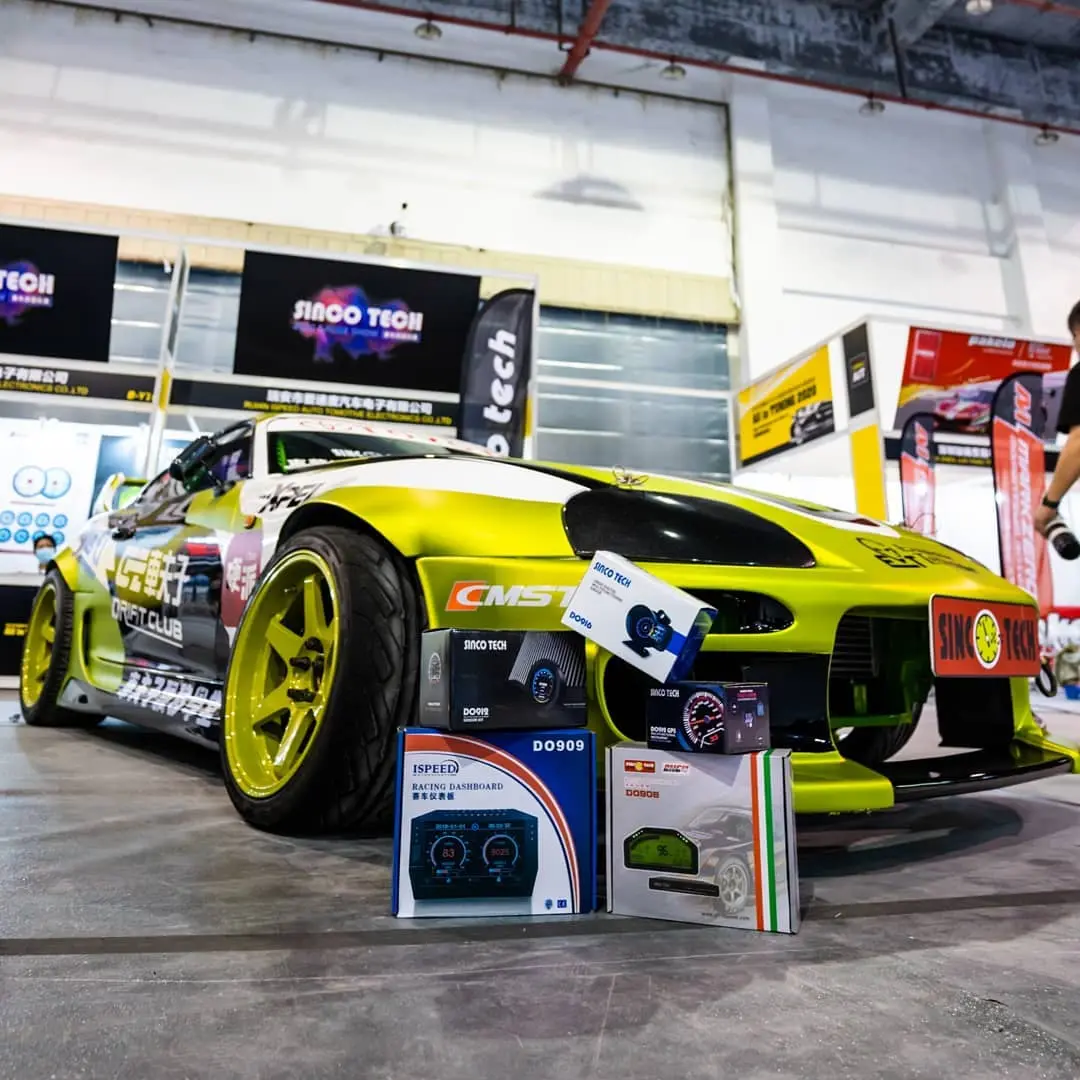
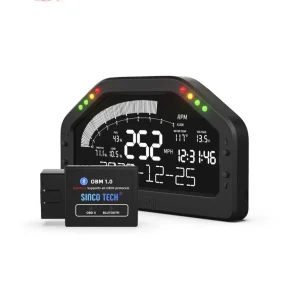
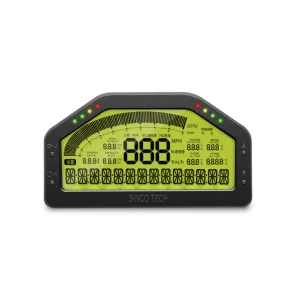
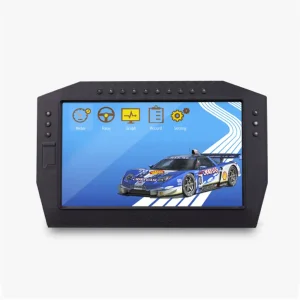
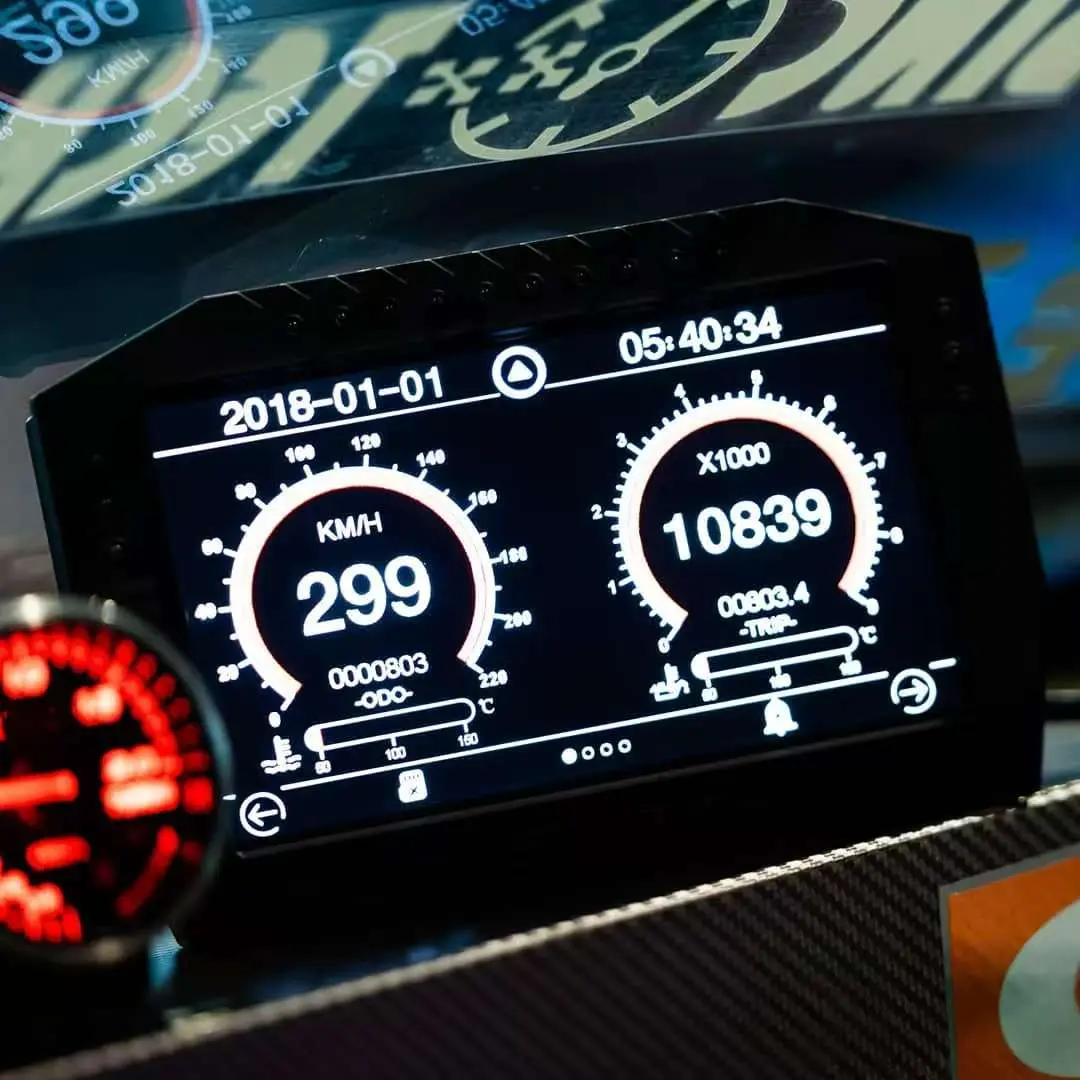
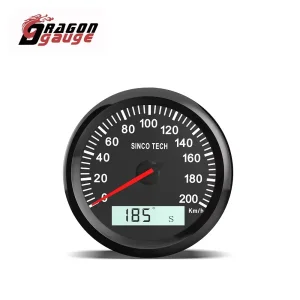
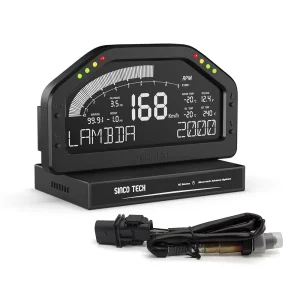
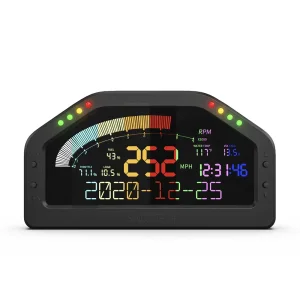
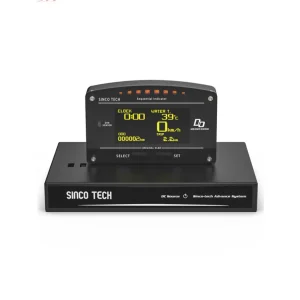
The difference between simple visualization tools and professional telemetry systems lies in response speed and raw calibration accuracy. Our line of digital racing dashboards—specifically the SincoTech DO921, DO908, and touchscreen DO909—operate on customized ARM processor chips that execute real-time polling from OBDII ports and dedicated analog sensors.
By supporting both direct OBDII CAN-bus integration and external sensor arrays, drivers obtain dual telemetry coverage: electronic control unit (ECU) parameters alongside raw readings from secondary performance sensors (e.g. exhaust gas temperature thermocouples, high-precision boost transducers).
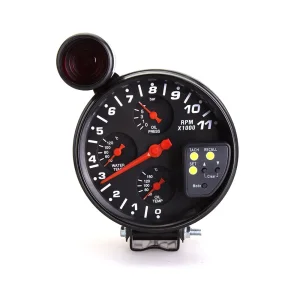
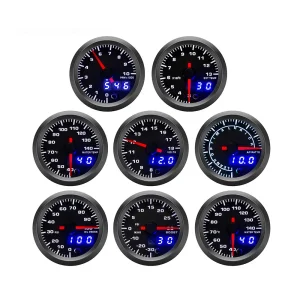
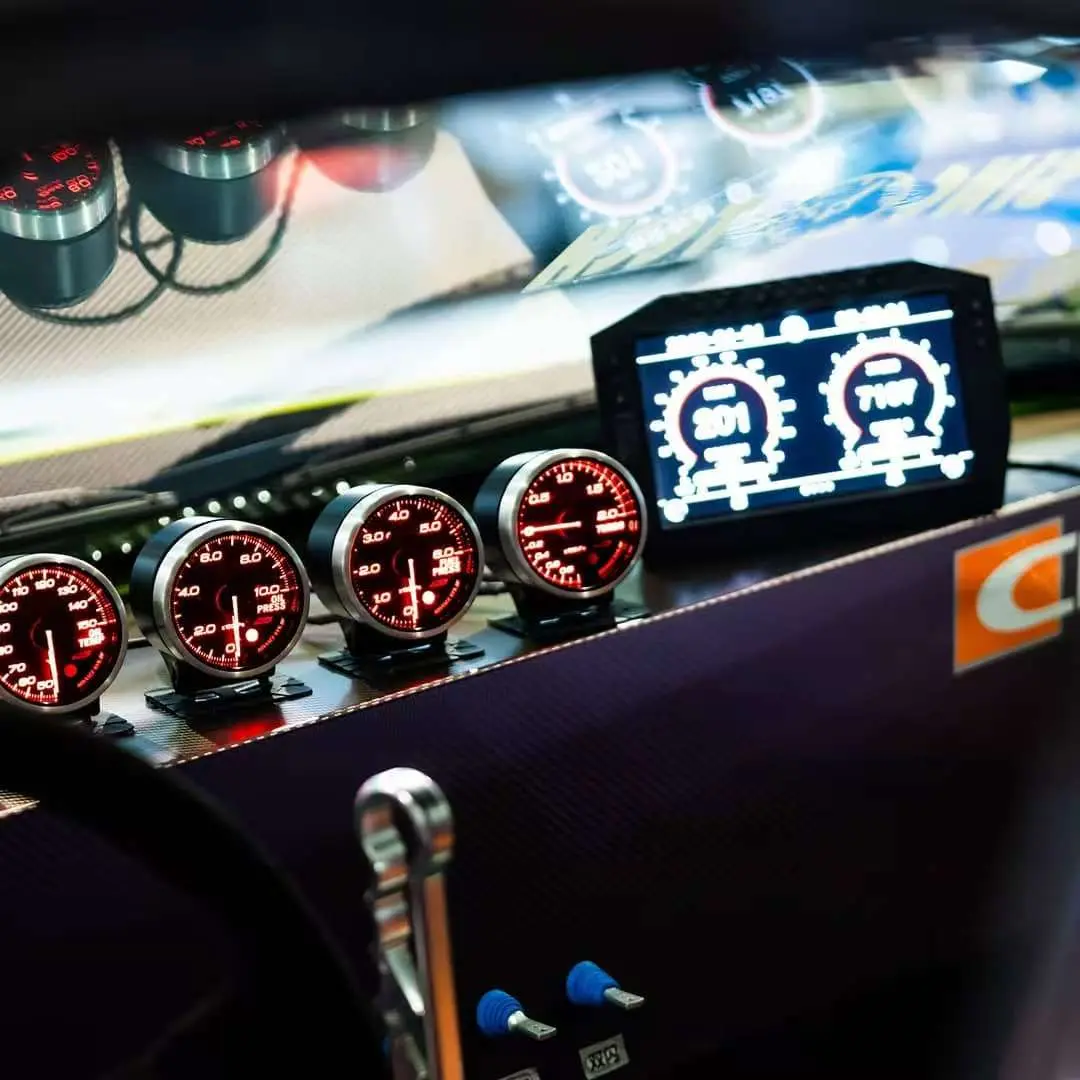
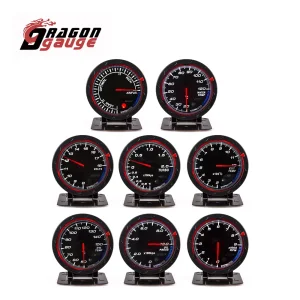
This hybrid telemetry framework allows tuners to monitor critical parameters like water temperature, oil temperature, oil pressure, exhaust gas temperature (EGT), tachometer RPM, manifold vacuum, boost pressure, fuel level, and precise air-fuel ratios (AFR) simultaneously without lag.
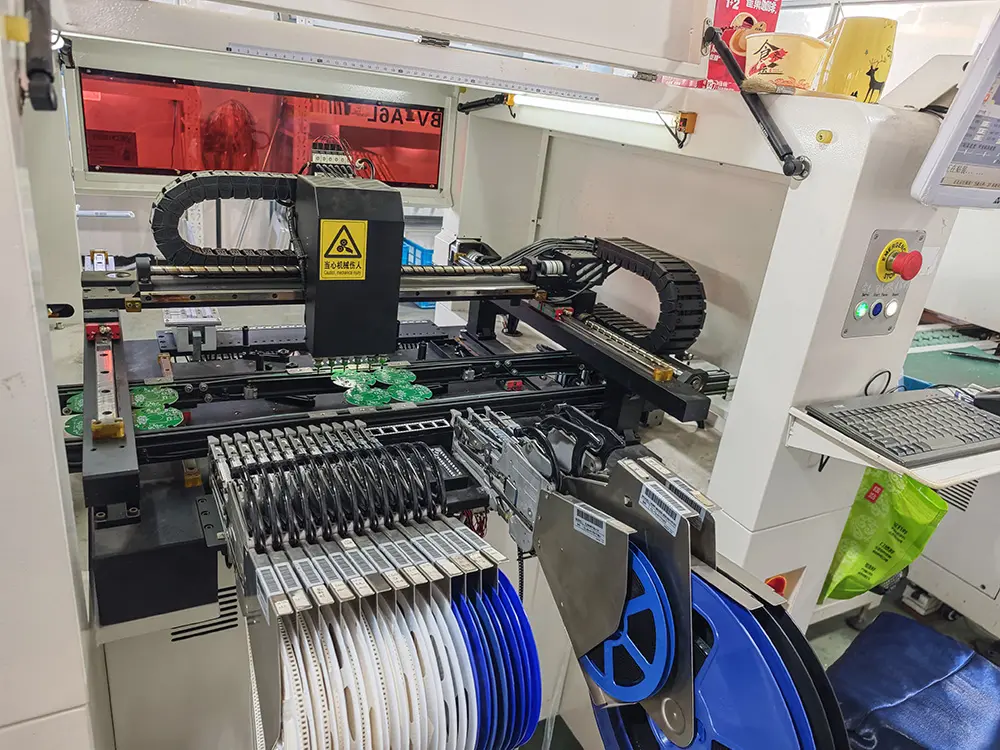
As the global automotive sector transitions to electric propulsion and alternative fuels, the instrumentation design requirements are diverging. We offer adaptable solutions that keep pace with these macroeconomic shifts.
Internal Combustion Engines (ICE): High-output engines demand extreme precision regarding thermal properties. Exhaust Gas Temperature (EGT) gauges must utilize premium, heavy-duty K-type thermocouples that measure up to 1100°C without mechanical failure or thermal drift. Similarly, oil pressure sensors must operate within robust 0 to 10 Bar limits, using calibrated micro-electromechanical (MEMS) elements to feed information to the driver.
Electric Vehicle (EV) Telemetry: EV developers and conversion specialists require dashboard displays capable of reading battery temperature, inverter parameters, and state-of-charge (SoC). Our custom CAN-bus solutions can be programmed with custom firmware designed to interpret custom OBD-II PIDs or specific packet structures generated by modern BMS (Battery Management Systems).
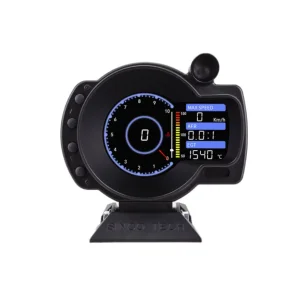
By consolidating telemetry into a single, high-definition dashboard like the DO907 OLED, we eliminate the space constraints of traditional multi-gauge installations and streamline custom dashboard layouts.
Motorsport Systems: Every ounce of weight saved correlates to improved performance. Our racing dash systems incorporate lightweight ABS composite housings, highly bright displays that remain readable in direct solar glare, and waterproof seals designed to withstand harsh rally conditions.
Industrial Applications: Beyond automotive tuning, our instruments are deployed in off-highway vehicles, maritime operations, generator instrumentation, and defense fleet updates. Standard dual-voltage (12V/24V) hardware guarantees seamless integration into standard heavy-duty electrical networks.
Operating out of Ruian, the capital city of automobile and motorcycle parts in China, we leverage a highly mature industrial supply chain ecosystem. This location enables rapid sourcing of top-grade micro-components and provides efficient transport links.
To support global distributors, we maintain responsive English-speaking technical service teams who assist with sensor wiring configurations, protocol configurations, and software calibration files. We back every production batch with comprehensive warranty programs and direct spare parts access.
Technical insights, installation protocols, and design solutions for automotive instrument procurement.
 Dongou