Explore our leading catalog of automotive gauges, multi-function OBDII dashboards, and high-performance racing displays engineered for extreme reliability.
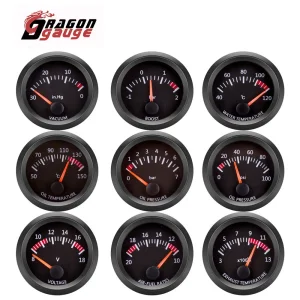
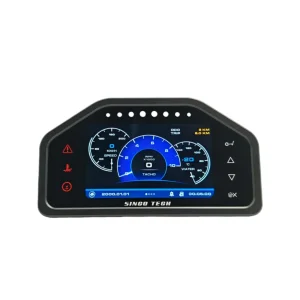
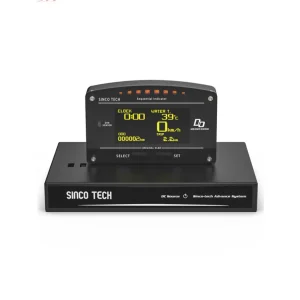
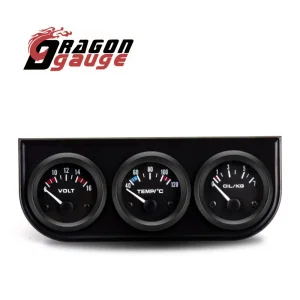
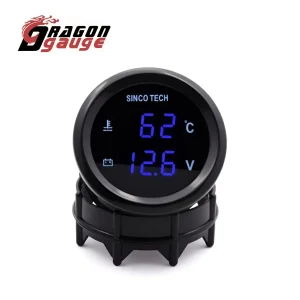
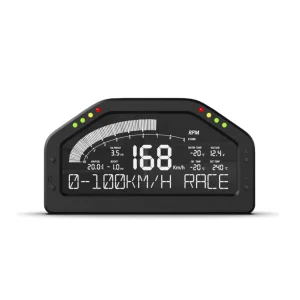
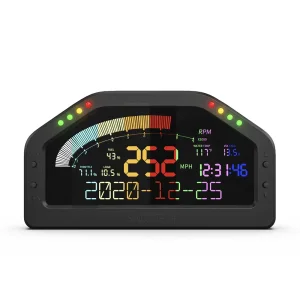
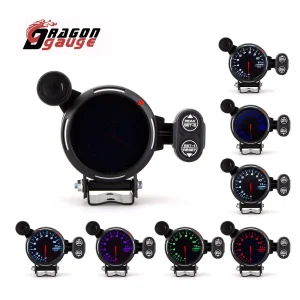
In modern industrial automotive networks, commercial shipping fleets, and competitive motorsports, the instrumentation cluster serves as the primary visual translator of vehicle health. Understanding the complex electrical, electronic, and structural characteristics of 12V/24V dual-system layouts is paramount for global procurement officers, fleet engineers, and automotive modification distributors. This comprehensive whitepaper provides in-depth technical roadmaps, manufacturing insights from China Factory 4.0 paradigms, and strategic procurement frameworks to maximize long-term asset lifecycle efficiency.
Automotive electrical networks dictate the layout, trace width, and component rating within electronic gauges and dashboard systems. The core difference between 12V and 24V installations lies in their electrical load characteristics, current propagation behavior, and resistance to environmental stress:
| Electrical Parameter | 12V System (Light Passenger Vehicles) | 24V System (Commercial/Heavy Industrial) | SincoTech & DragonGauge Integrated Solution |
|---|---|---|---|
| Nominal Voltage Range | 10.5V to 14.8V DC | 21.0V to 29.6V DC | Auto-sensing wide-voltage circuits (9V - 36V DC) |
| Current Load (Amperage) | Standard draw; double the current for equivalent power output. | Half the current of 12V for same load; minimizes heat losses. | Low-amperage high-efficiency digital microcontrollers. |
| Surge & Spike Protection | TVS diodes clamp at ~36V to prevent MCU burnouts. | Load dump surges can exceed 80V under alternator load loss. | Automotive-grade TVS & Varistors built to survive 120V surges. |
| Electromagnetic Noise | Low to moderate ignition/EMI interference. | High inductive noise from starter solenoids, air compressors. | Multi-layer PCB layout with dedicated ground plane shielding. |
When engineering dual-voltage displays, manufacturers must incorporate Buck-Boost Switch Mode Power Supplies (SMPS) or robust Low-Dropout (LDO) regulators. Without high-end thermal management, 24V systems will induce significant power dissipation in analog voltage dropper circuits, leading to thermal degradation of internal microcontrollers. At Ruian DongOu Automobile Meter Factory, our engineering protocols require automotive-grade regulators capable of operating continuously up to 36V, maintaining thermal stability under continuous operation.
"A failure rate of less than 0.05% in commercial fleet telemetry can only be achieved by designing instrumentation that disregards transient voltage fluctuation. Wide-voltage adaptation is not a feature; it is the fundamental baseline of industrial-grade electrical engineering."
The automotive instrumentation sector is undergoing a paradigm shift. Traditional analog stepper motor pointers are migrating rapidly toward dynamic digital graphic displays. This progression is driven by three main technological pillars:
Traditional discrete analog sensors are replaced by high-speed communication interfaces. Modern 24V dashboards read straight from the ECU using SAE J1939 or OBDII protocols, reducing wire harness complexity by up to 75%.
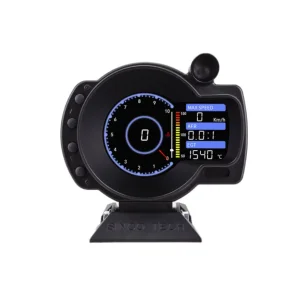
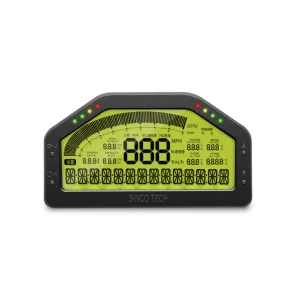
High-brightness OLED displays, like those found in the SincoTech DO907 and DO908 racing systems, deliver contrast ratios exceeding 10000:1. This ensures crystal clear readability under direct noon sunlight.
Next-generation instruments integrate local diagnostic engines. They predict coolant over-temperature and abnormal oil pressure drops using real-time parameter correlation analysis, warning operators before engine seizure.
Looking to the horizon, the deployment of 48V electrical architecture in mild hybrids (MHEVs) and specialized mining transport will mandate another iteration of display interfaces. The design team at Ruian DongOu Automobile Meter Factory is actively prototyping 12V/24V/48V cross-compatible dashboard nodes with modular transceivers. Our goal is to ensure hardware futureproofing for global distributors, providing instrumentation panels that remain compatible across fluctuating technological generations.

Established in 1986, Ruian DongOu Automobile Meter Factory is a professional enterprise dedicated to the research, development, and production of automotive instrumentation systems. Since its inception, the company has cultivated deep expertise in the industry for many years, building a mature and complete technical system and possessing stable and efficient production capabilities, establishing a strong reputation in the field of automotive instrumentation.
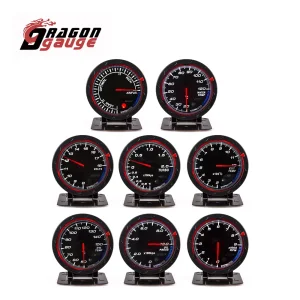
The company boasts a comprehensive and diverse product portfolio, with two core brands, each with a clear positioning and advantages:
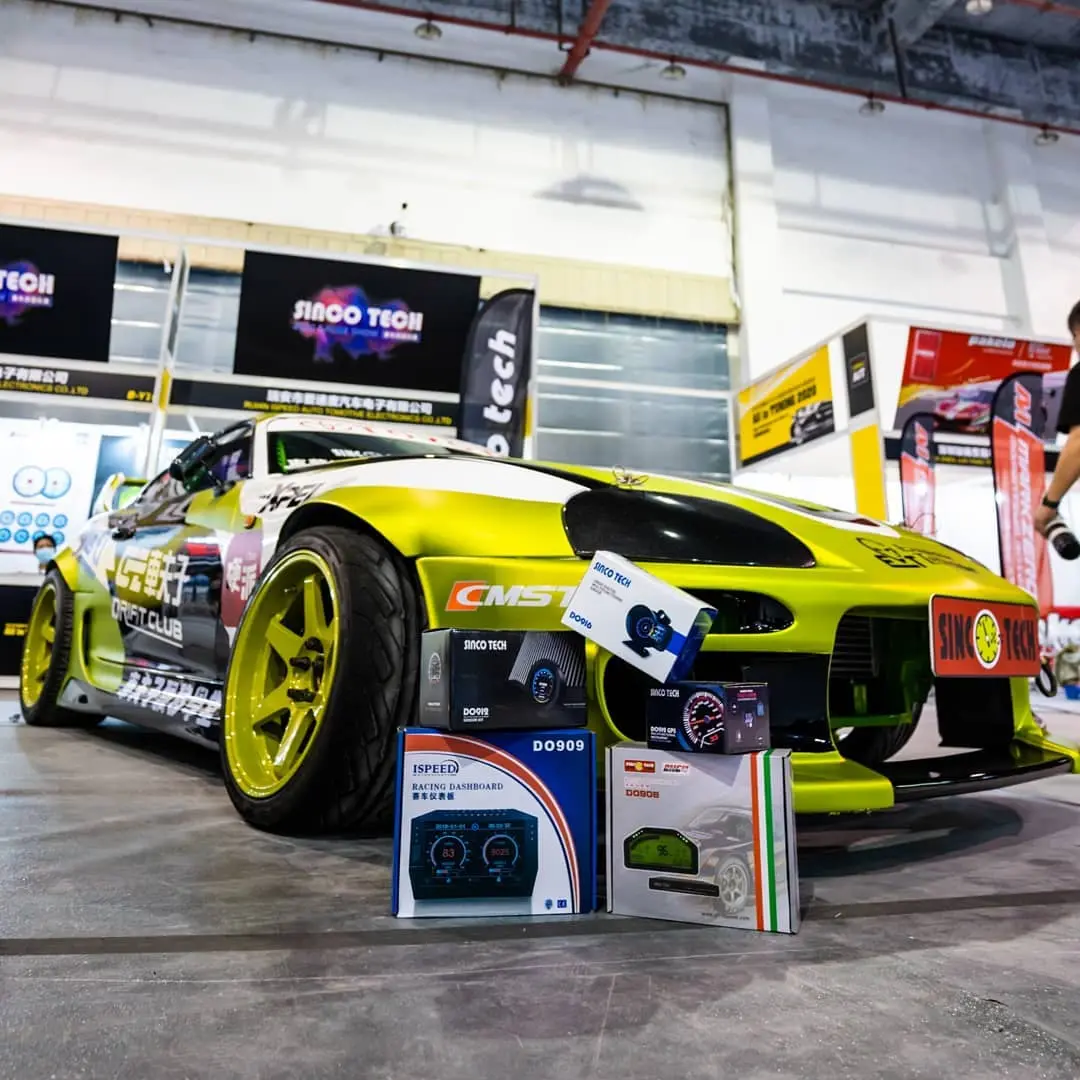
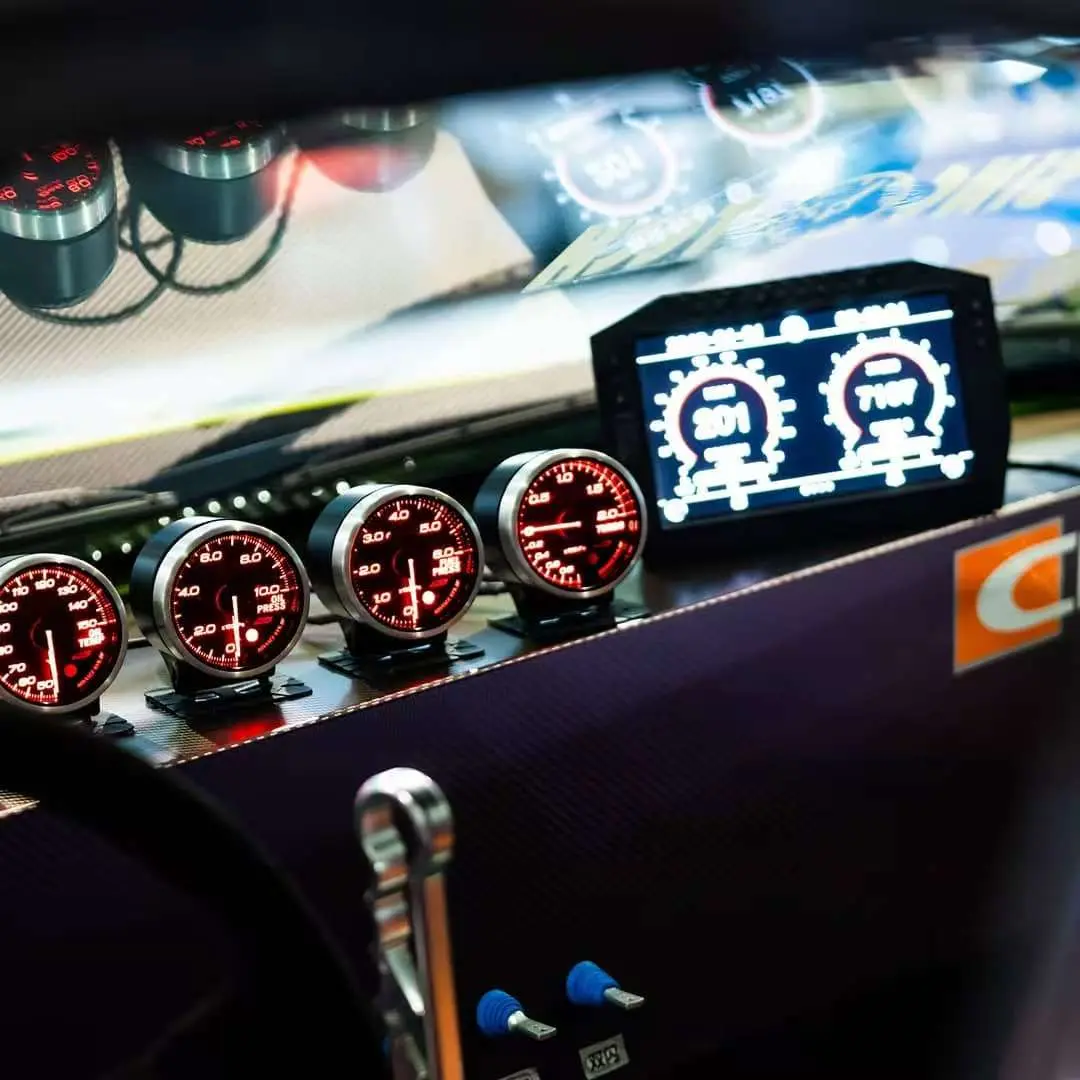
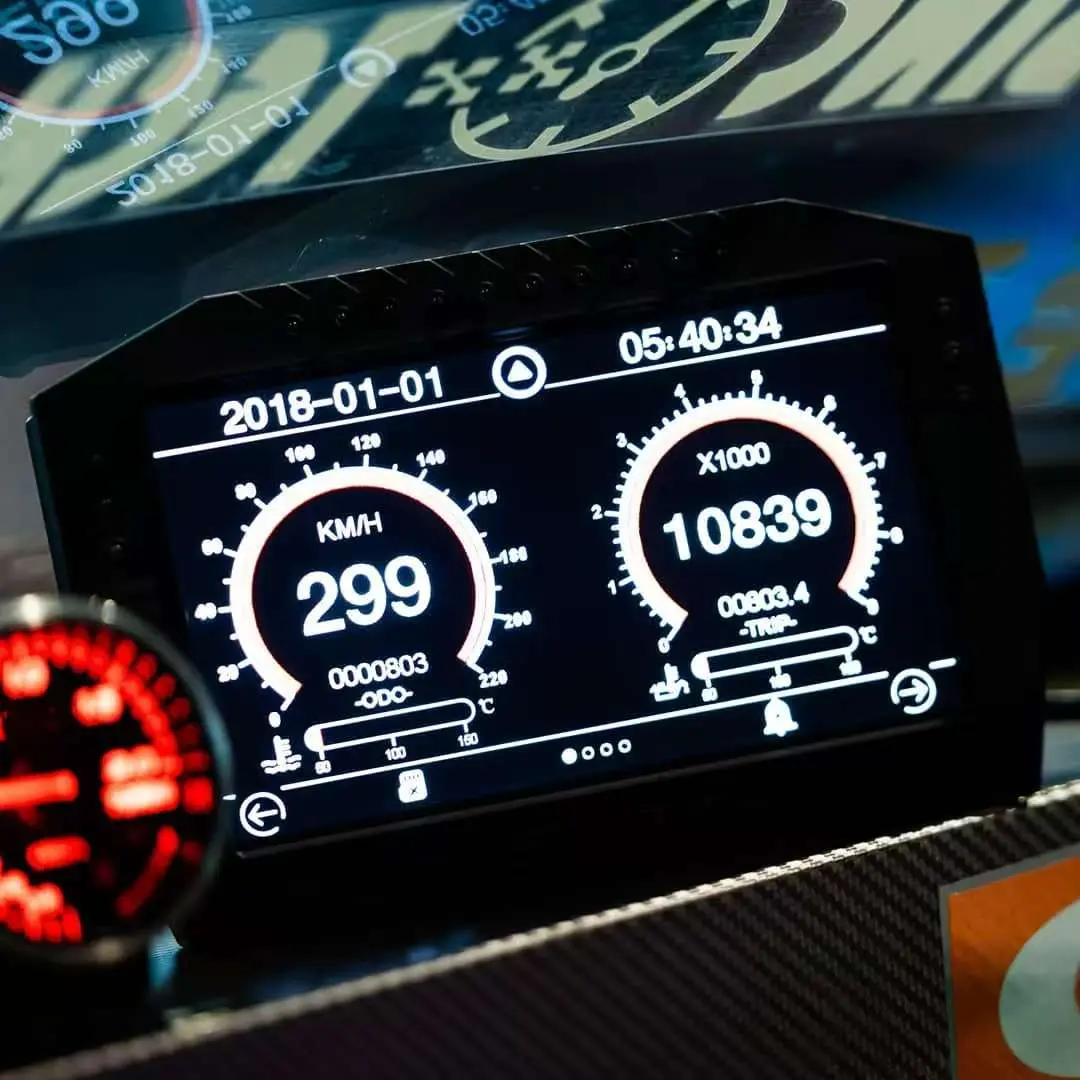
Automotive instrumentation is not a one-size-fits-all product. Different industrial sectors place radically unique environmental, operational, and electrical strains on instruments. Our product design is categorized into target application matrices:
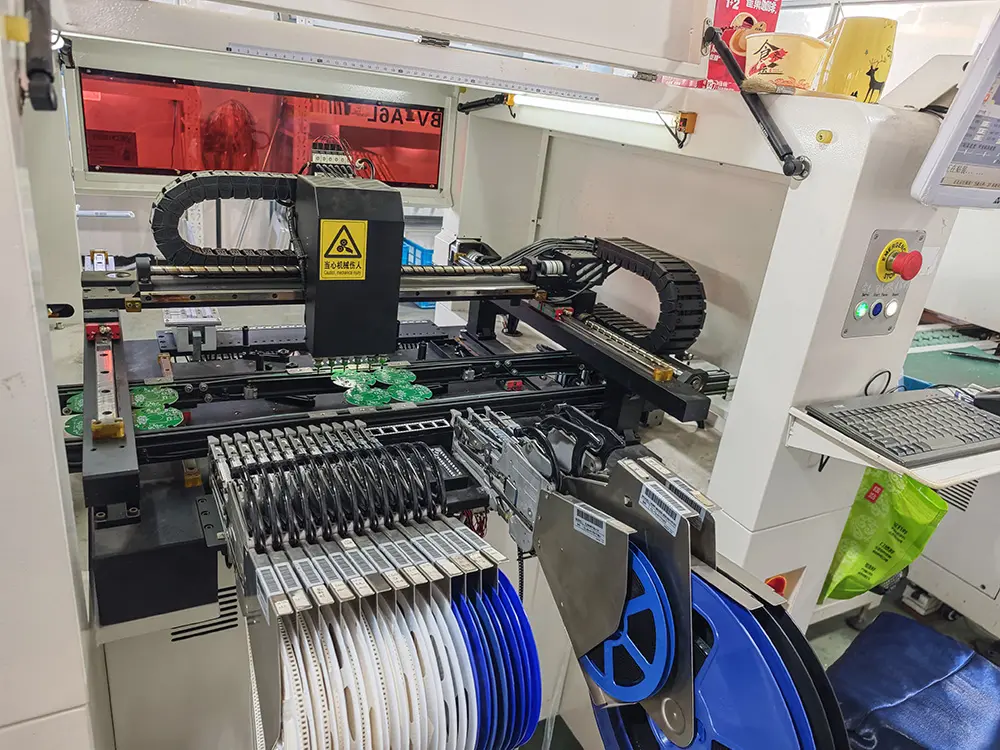
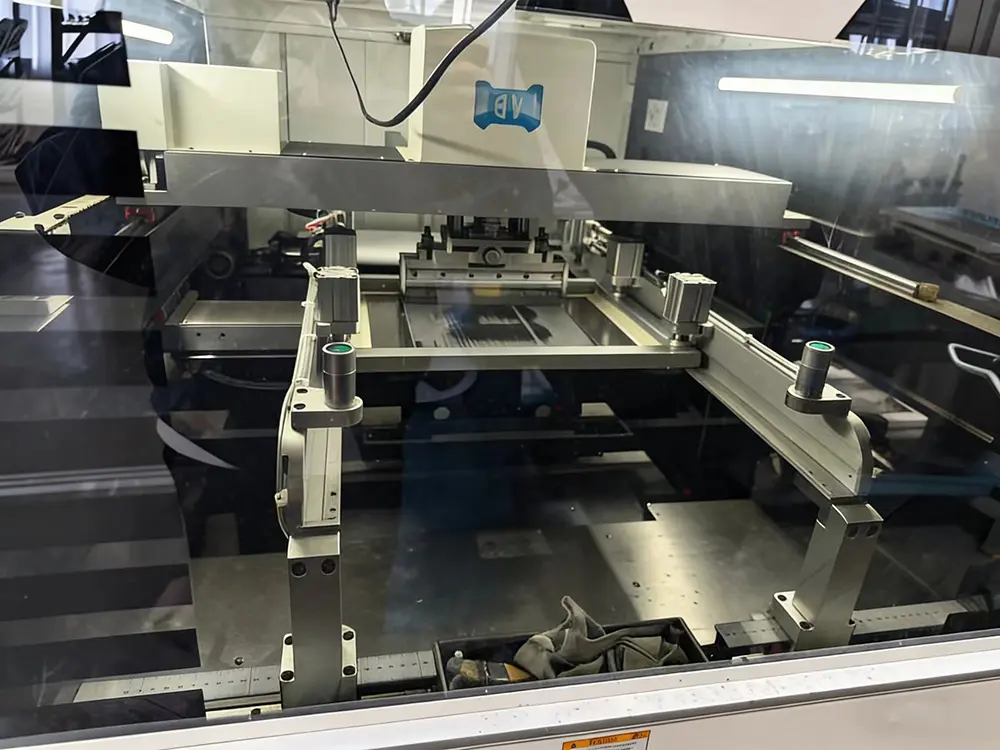
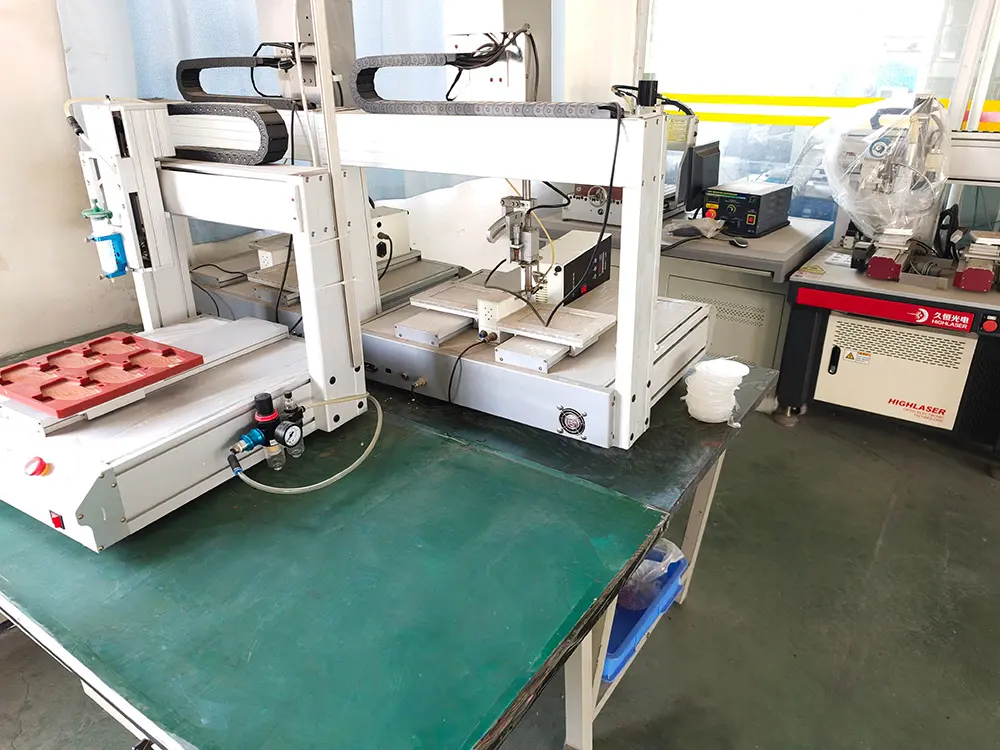
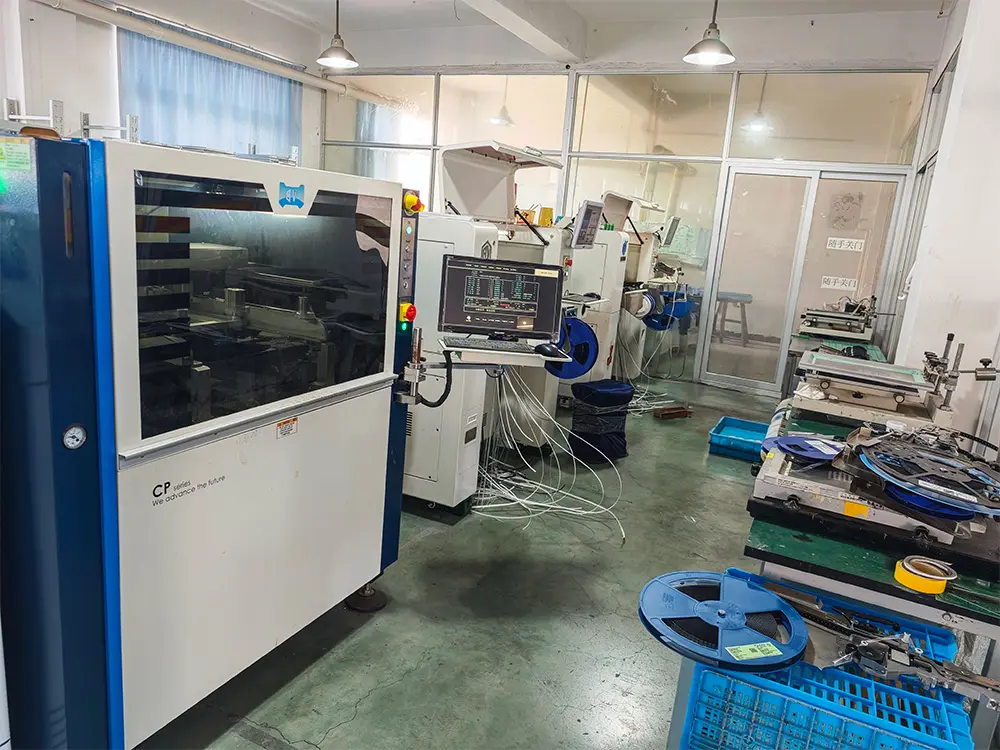
Operating a 38-year-old manufacturing hub like Ruian DongOu Automobile Meter Factory requires constant technological evolution. Our manufacturing capabilities transition traditional manufacturing to modern Industry 4.0 standards:
By automating PCB assembly through high-speed SMT (Surface Mount Technology) lines, we maintain component placement tolerances within ±0.01mm. Additionally, every gauge is subjected to automated calibration chambers. These systems sweep inputs across sensor simulation profiles to calibrate digital displays and analog stepper motors to a 99.8% precision baseline.
By keeping raw material stocks (precision copper coils, custom plastic injection shells, advanced OLED matrices, and microcontrollers) in-house, we insulate our global distributors from market supply chain volatility. Our direct sourcing networks guarantee consistent wholesale pricing and production timelines regardless of microchip supply challenges.
Entering international markets requires absolute compliance with national electrical and automotive safety standards. Global corporate procurement networks must verify certifications to prevent liability and recall risks:
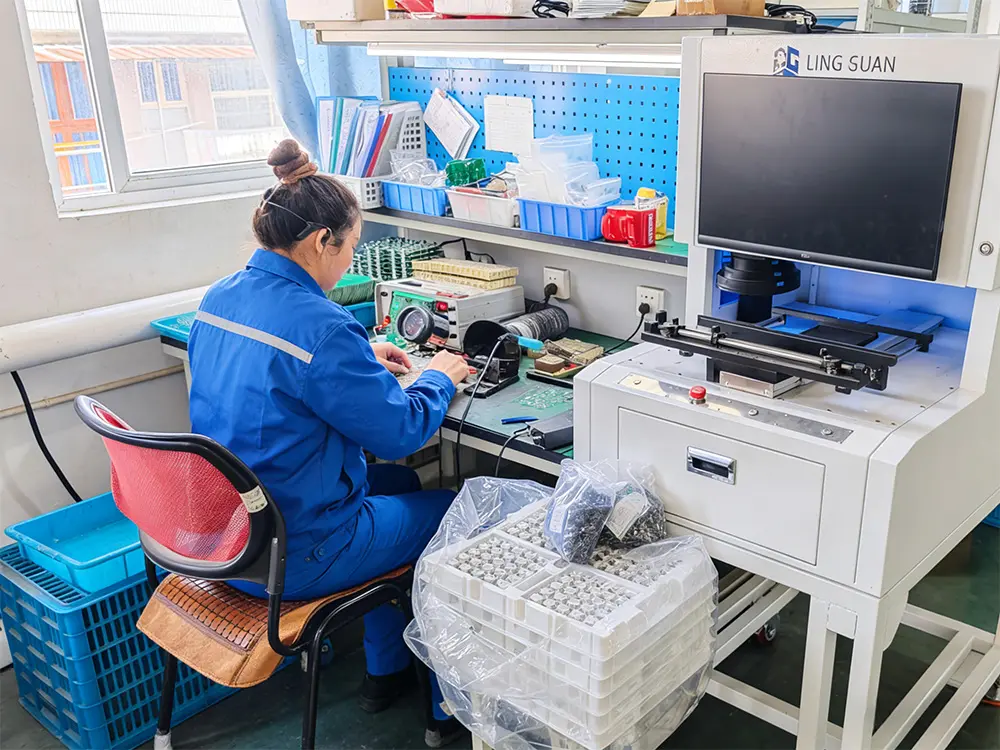

We provide full-spectrum OEM/ODM solutions tailored for global distributors and vehicle manufacturers. Our customization process is engineered to optimize supply chain flexibility:
| OEM/ODM Stage | Process Description | Typical Lead Time | Deliverable Asset |
|---|---|---|---|
| 1. Technical Specification | Requirements mapping: sizing (52mm, 60mm, 85mm), voltages, sensor interfaces, and display type. | 3 - 5 Days | Technical CAD Drawings & Component List |
| 2. Prototyping & Testing | PCB design, firmware coding, custom dial face printing, thermal chamber stress testing. | 2 - 3 Weeks | Fully Functional Pre-production Samples |
| 3. Tooling & Mold Production | Development of custom plastic injection molds and metal housing stamp tools if required. | 4 Weeks | Production Molds & Shell Samples |
| 4. Mass SMT & Assembly | Automated SMT board assembly, calibration, housing integration, ultrasonic welding. | 15 - 20 Days | Finished Goods in custom packaging |
| 5. Quality Assurance Sweep | 100% vibration testing, functional check, high-voltage surge simulation sweep. | Ongoing | QC Compliance Certification per Batch |
Whether you require a custom branded logo on our GragonGauge dials, adjustments to the LED backlight color temperature, or integration of a custom resistance curve for legacy oil pressure sensors, Ruian DongOu Automobile Meter Factory provides flexible MOQ thresholds and direct technical support from our lead designers.
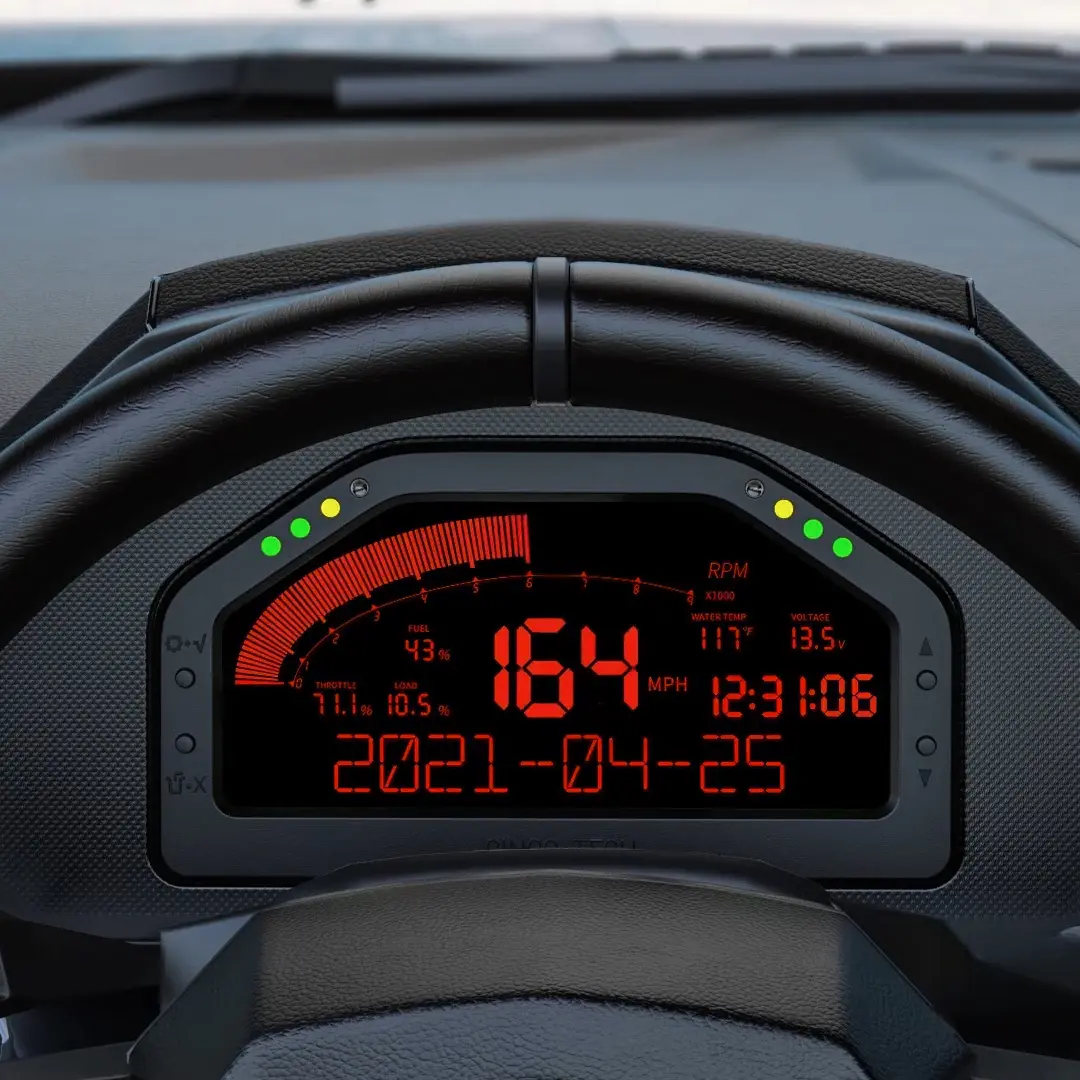
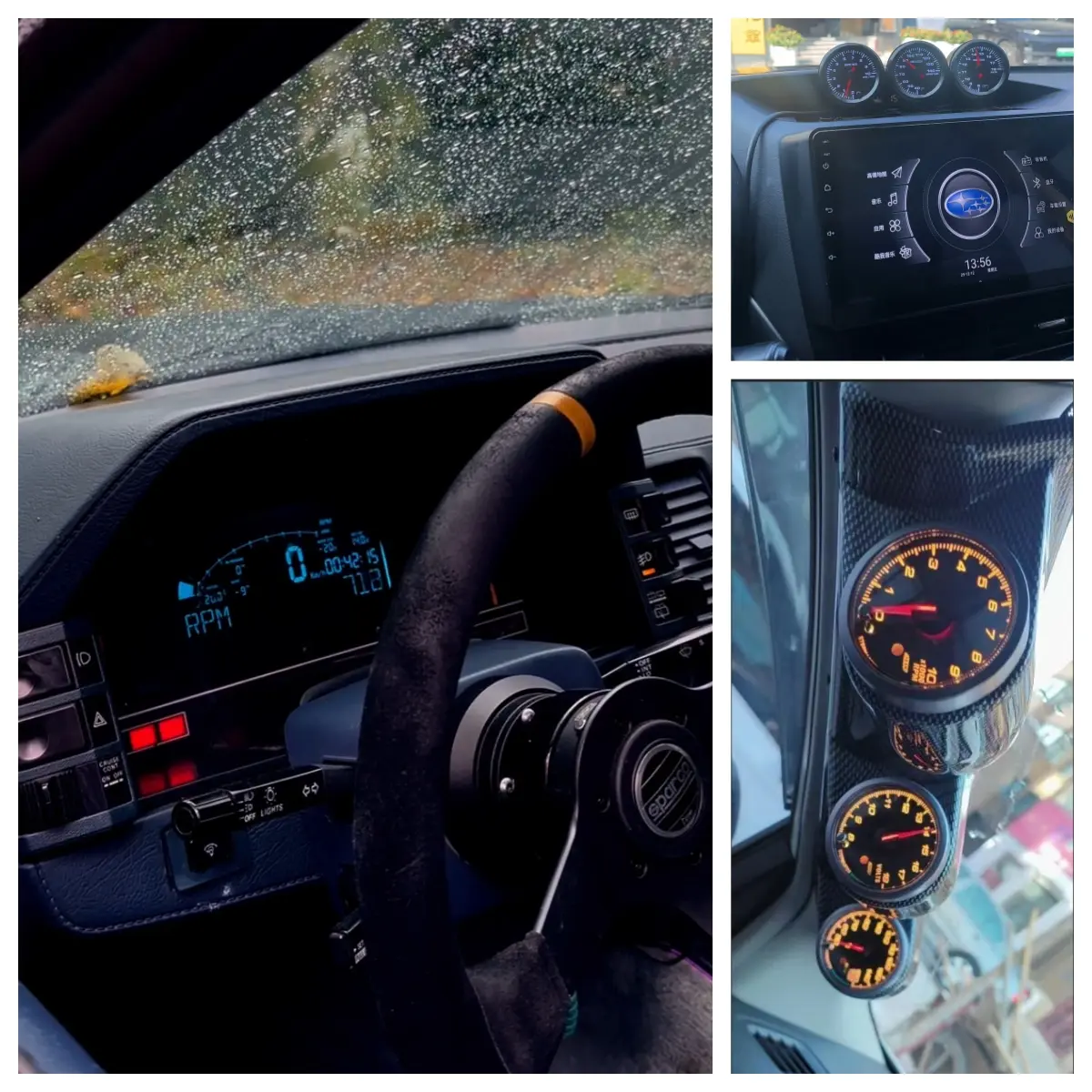
Expert answers regarding technical support, application environments, and purchasing from a leading China factory.
Discover our top-tier multi-function digital dash panels, GPS odometers, and custom sensor kits built for motorsports and heavy machinery.
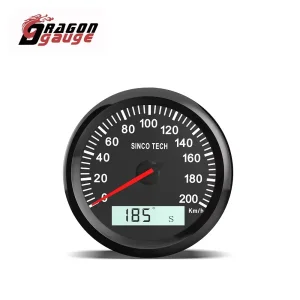
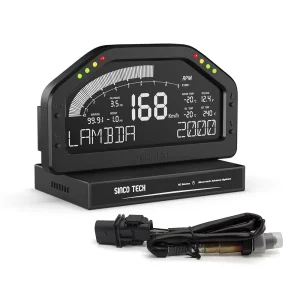
 Dongou